Utilising new technology, engaging with younger fans and better promotion of racing are crucial to the future of the sport, according to Jockey Club chief executive Winfried Engelbrecht-Bresges and executive director of racing Andrew Harding.
Speaking on the final day of the Asian Racing Conference in Riyadh, Engelbrecht-Bresges and Harding highlighted the key motivators in safeguarding the future of racing.
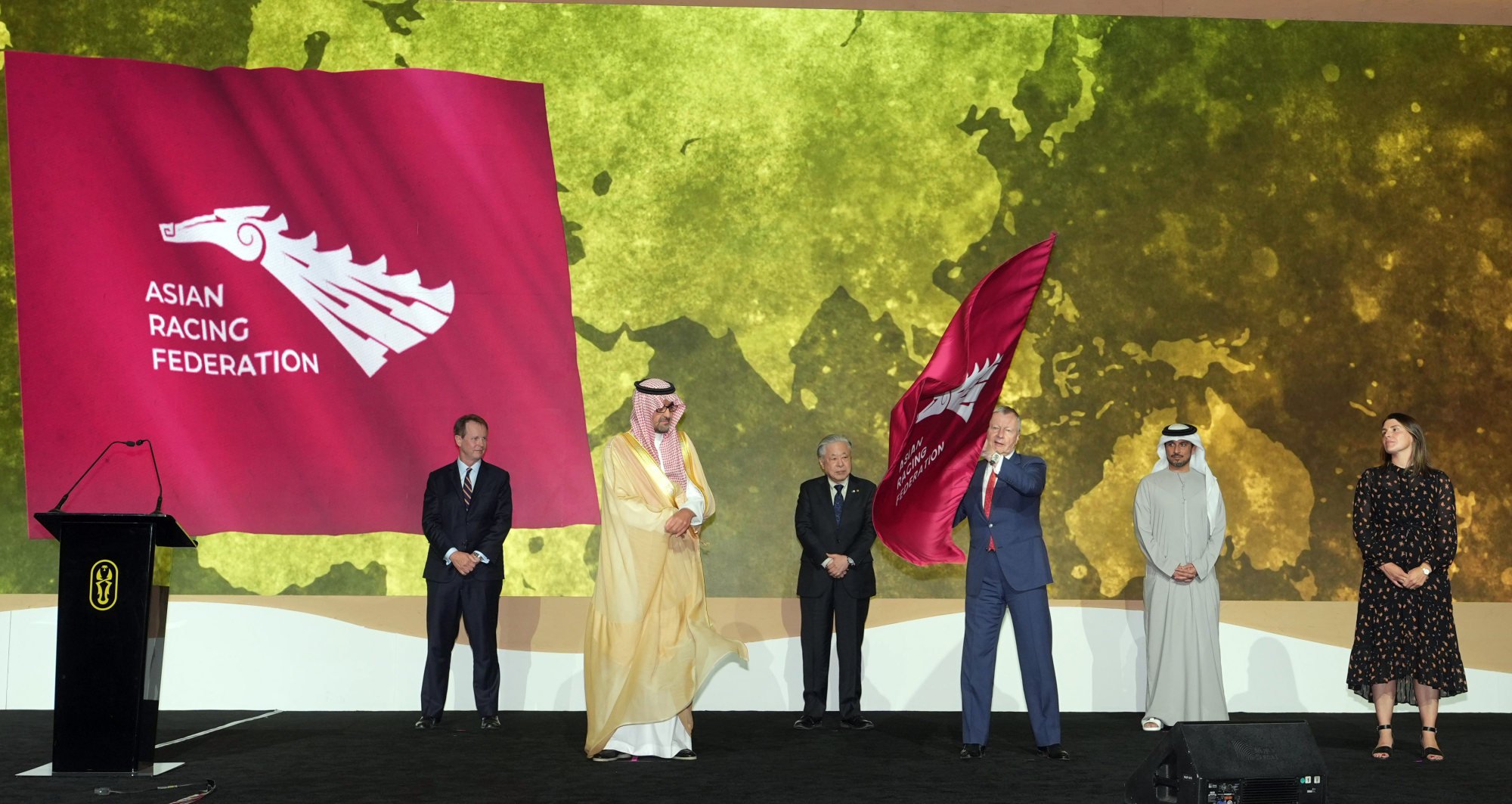
“If there is one message that cuts across all our discussions, it is this: the future of horse racing is under threat and can only be secured by working together to address the key challenges we face,” Engelbrecht-Bresges said at Thursday night’s closing ceremony.
“I firmly believe we now have a mandate for change. We must act now. We must think and cooperate globally and implement nationally.
“At the outset, I highlighted that we are in a critical phase for racing and breeding, and yet fragmentation within our sport is preventing us from tackling the challenges that confront us.
“I called for global collaboration and the need to make fundamental changes to the way we position, promote and operate our sport.
“We must create heroes, create global competitions where the best meet the best, and create platforms with holistic storytelling to increase our fan base and promote our sport globally. We must use technology to create new digital on-site and online experiences. We must be more agile and embrace global initiatives like the World Pool to better compete against sports betting, iGaming and other entertainment offerings.
“We must continue our investment in science and technology to minimise the risk of catastrophic breakdowns and sudden death. The ARF Secretariat will develop an action plan of key activities for the short and medium term to be discussed at the next executive council meeting. We will then communicate how we take the next steps together.”
Earlier on the conference’s final day, Harding said racing’s connection with younger generations was crucial – not only in attracting new fans to the sport but also maintaining a sustainable workforce.
“Our sport goes back more than centuries, but in terms of its future, this will depend on its relevance to youth, and beyond their participation as fans, there is the question of then their participation in the workforce,” Harding said.
Engelbrecht-Bresges hailed the conference, which featured about 650 guests from 45 countries, “a huge success”. The next conference will be held in New Zealand in 2028.