David Hayes has urged Jockey Club officials to think outside the box when it comes to accommodating Hong Kong’s “drastic oversupply” of Class Four horses.
Hong Kong’s horse population is in the midst of a sustained period of growth ahead of the start of racing in Conghua, with the Jockey Club increasing ownership permits in recent years.
However, until racing on the mainland begins in October next year, there will be an increased number of gallopers looking to race in a similar amount of races.
This growth is exacerbated in Class Four, with the majority of new owners boasting Private Purchase Griffin permits allowing them to buy previously unraced gallopers – all of whom are handed a rating of 52 and begin their careers in Class Four, most over 1,200m.
Of the 1,319 horses with a Hong Kong rating, 693 sit inside the 40-60 Class Four bracket.
“There’s a drastic oversupply of Class Four horses and an undersupply of races. It’s almost impossible to plan,” said Hayes.
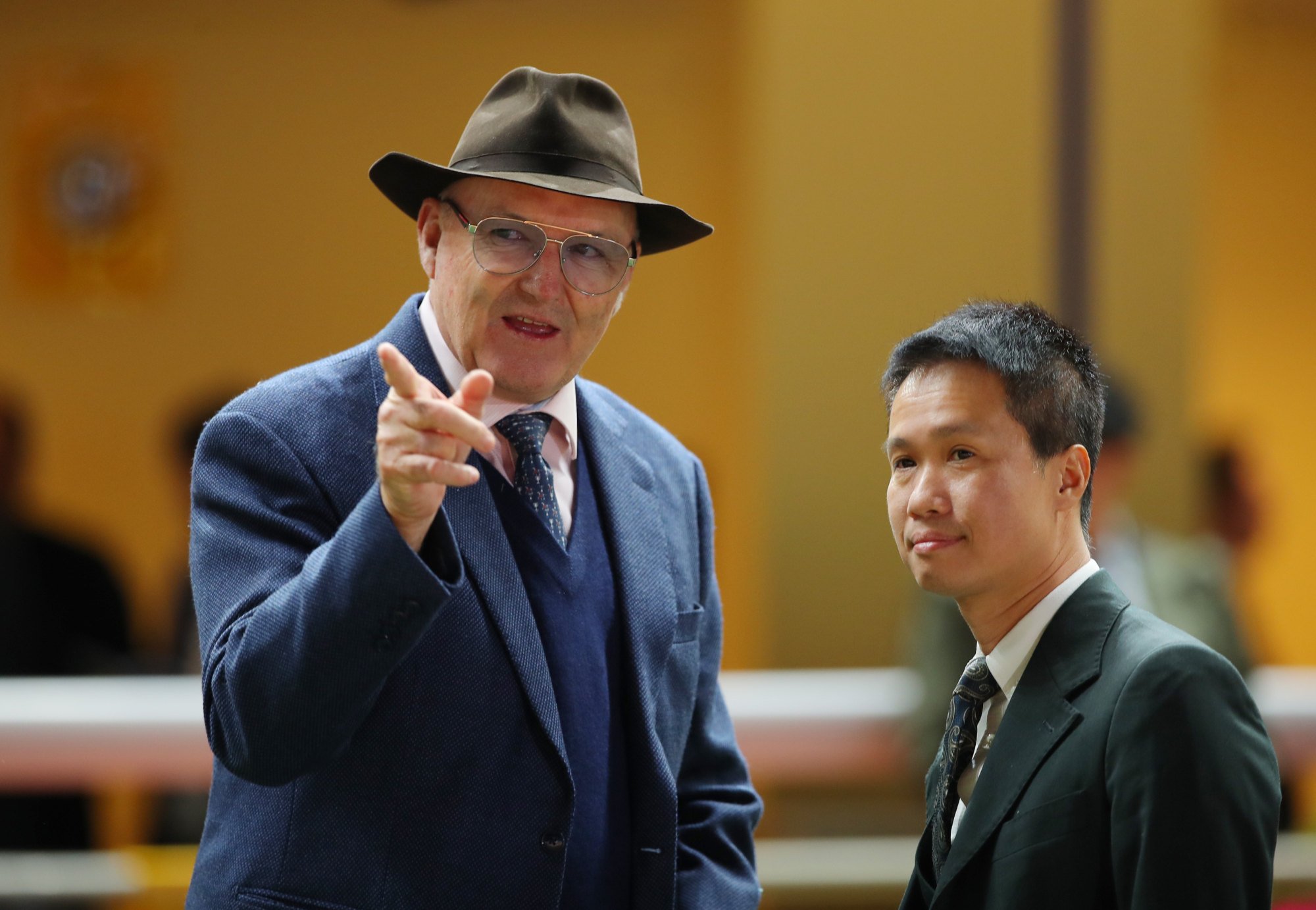
“You don’t get in with a trump card. I mean, you can but it’s highly likely you’ll get balloted [out].
“The owners are paying these exorbitant training fees and they want their horses to run.”
While trainers are supposed to be able to use trump cards to ensure gallopers a start, having priority to run – which is given to horses who have previously failed to make the field – usurps a trump card.
An eye-watering 72 Class Four gallopers have found themselves on the reserve list this week alone – including 54 hoping to run over 1,200m – while well over 100 Class Four-eligible horses will trial this week.
“With the amount of horses trialling, there’s got to be grave concerns,” said Hayes.
“They have just got to start running an extra race every meeting when they can. I understand when there’s a simulcast race they can’t, but when there’s not a simulcast just get them through.
“Put a dirt race on. If they think the tracks are wearing out, put a dirt race on every weekend just so you can run your horses for your owner.”
The Jockey Club has added an extra Class Four 1,200m race to the Sha Tin meeting on December 20, making it an 11-race card, but Hayes thinks officials may need to do more than the traditional two meetings a week.
As it stands, the maximum for a Wednesday night at Happy Valley is nine races and a weekend meeting at Sha Tin is capped at 11.
“They need to think outside the box. Why couldn’t they run a seven-race dirt card on a Friday night if they’re worried about wearing the turf out?” he said.
Rather puzzling was the fact there were only eight races at Happy Valley on Wednesday night when the norm for midweek fixtures has been nine and there were enough reserves to run two more Class Four 1,200m races, let alone one.
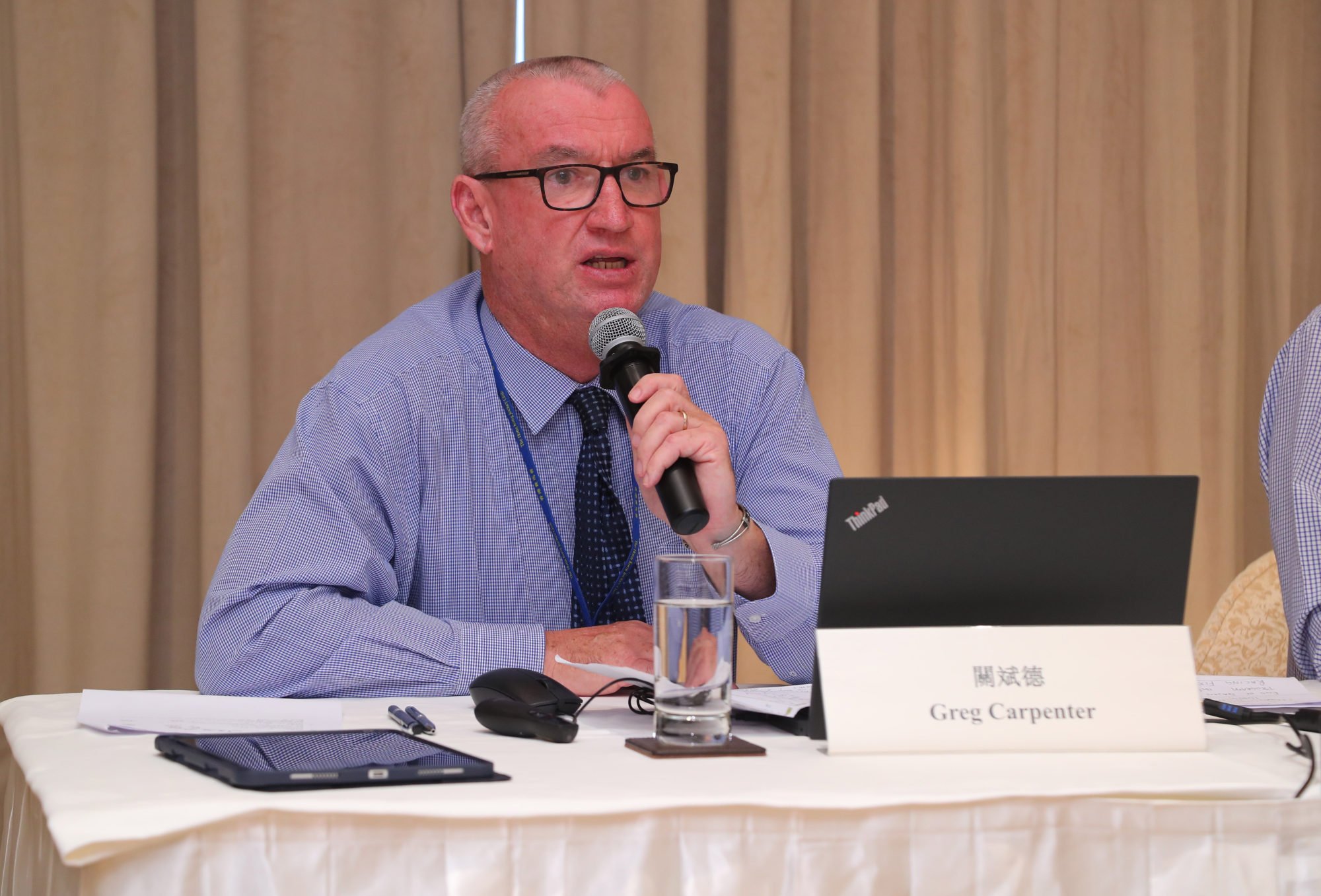
“This meeting has traditionally been eight races to make sure we get full fields for [next week’s Longines International Jockeys’ Championship] meeting,” said Jockey Club head of racing product Greg Carpenter.
“Given the horse population, going forward we’ll probably make it a nine-race card.
“More immediately, we’re certainly conscious of the situation and we’re trying to add races where we can.”
There will be only 10 races at Sha Tin on Sunday, including just the one Class Four 1,200m contest on the turf.