Why business deals made in top Hong Kong restaurants have master chefs all fired up

- From The Chinese Library to Le Pan, some of the city’s top restaurants are boosting their presentation skills as executives seek bolder dishes
It is accepted that transactions are no longer confined to boardrooms and offices; they never were. Over the centuries, merchants and traders bartered while nibbling in inns along the Silk Road, in carpeted tents over tea in the desert, or across a Roman table sharing wine and olives.
Today’s mobile executives strike their deals in restaurants and bars. To break bread with someone eases a negotiation like no legal setting. Asian executives bank on such business banqueting and Western financiers formalise contracts over fine dining.
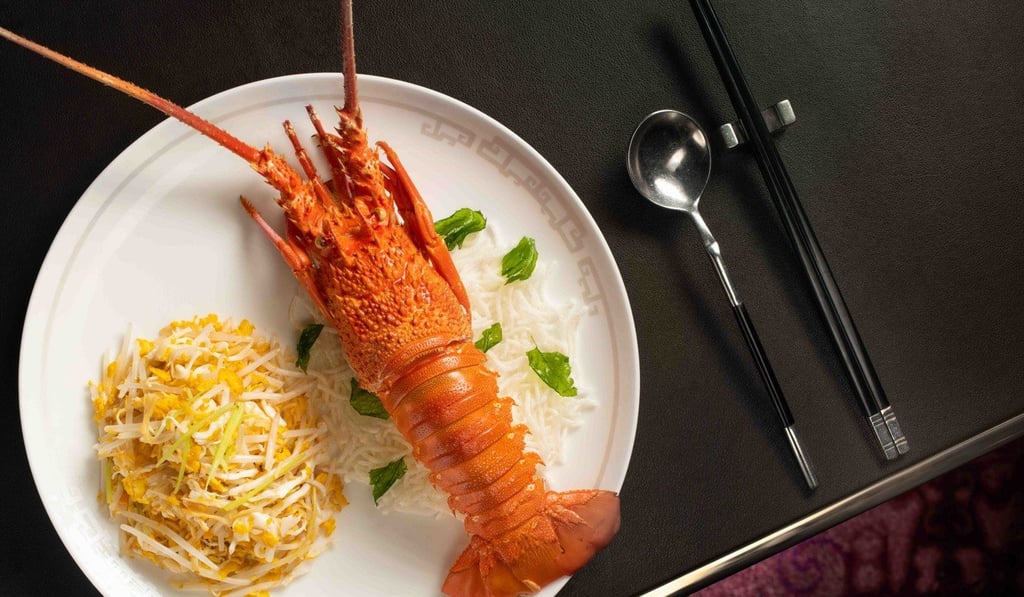
The practice is common in the polished Chinese restaurants of top hotels. At Man Wah, executive chef Wong Wing-keung has maintained the Mandarin Oriental’s premier status among corporate diners.
“There is a growing trend in Chinese cuisine of presentation. Dishes have to look delicate and artistic, especially since diners often share their dining experience through their smartphone,” Wong explains.
Guests now have a good understanding of food and they are more informed
“Guests love our signatures but are also open to trying new dishes. I’ve started incorporating Western cooking methods, such as sous vide, into Chinese cuisine. In addition, I’m using Chinese cooking techniques for ingredients like black truffles, white truffles and caviar, which are not commonly found in Chinese cuisine.”
These push-pull forces to innovate while upholding tradition are shared by The Ritz-Carlton’s chef Paul Lau Ping-lui. At two Michelin-star Tin Lung Heen, he aims to deliver indulgence on a deadline.
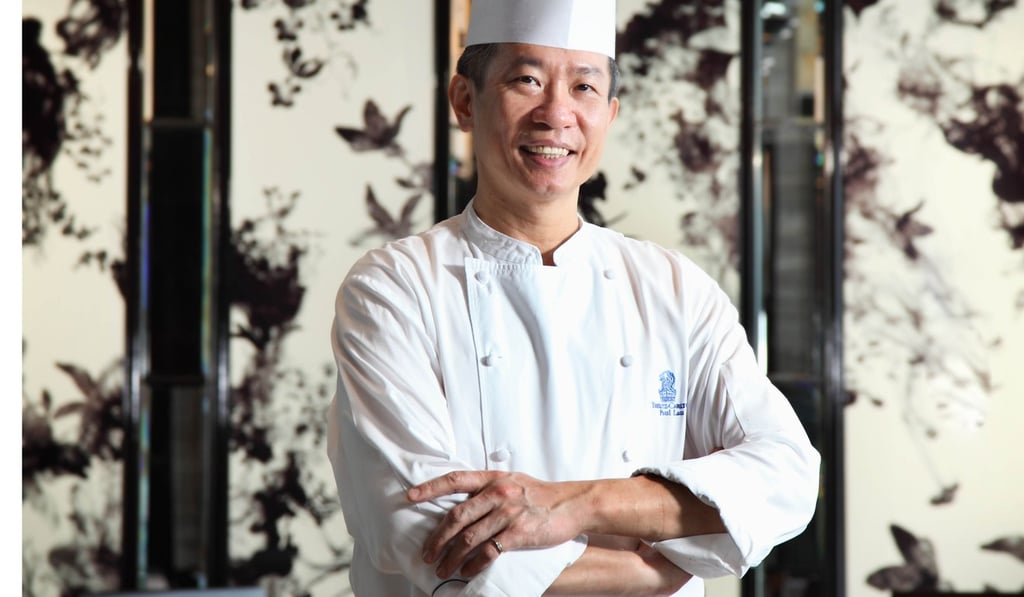
“Business diners usually have tight schedules, but love to look for finer things so I offer signature dishes in sets, such as our five-course executive set lunch menu,” Lau says. “Diners tend to try more variety. They are no longer satisfied by common Cantonese seafood like spotted grouper or giant grouper. Therefore, I import seafood from different parts of the world, like hairy crabs from Hokkaido and Norwegian king crabs. In another example, I ordered Spanish Iberian pig to make traditional char siu.”
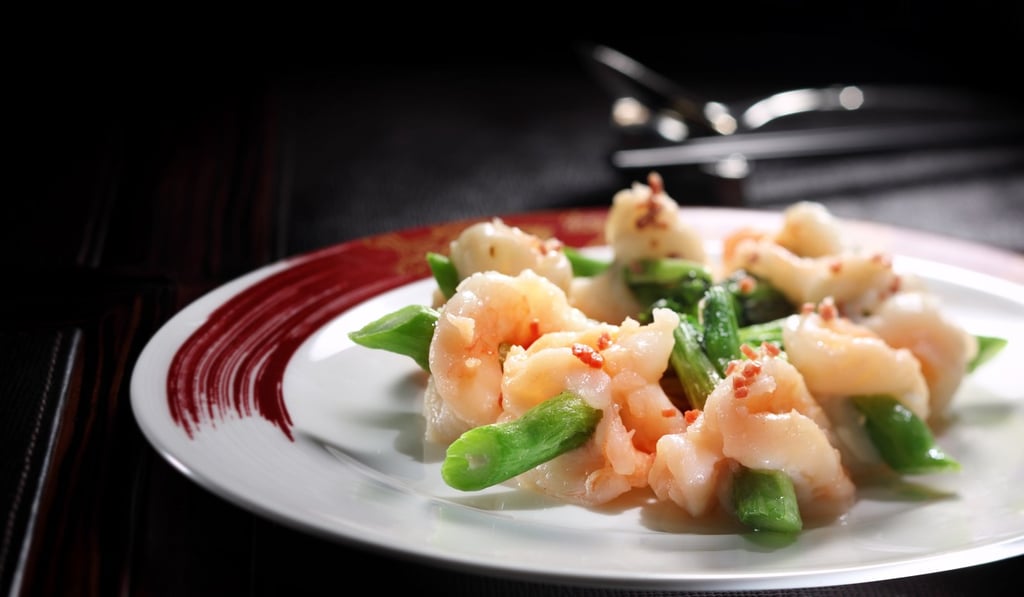
At the refurbished two Michelin-star Yan Toh Heen at the InterContinental Hong Kong, the challenge is to keep its loyal client base while broadening the audience. “Following our recent relocation to a stunning new harbour-view location, we have more private dining options with rooms for 10 to 30 people, which makes us attractive for business lunches,” says executive chef Lau Yiu-fai.
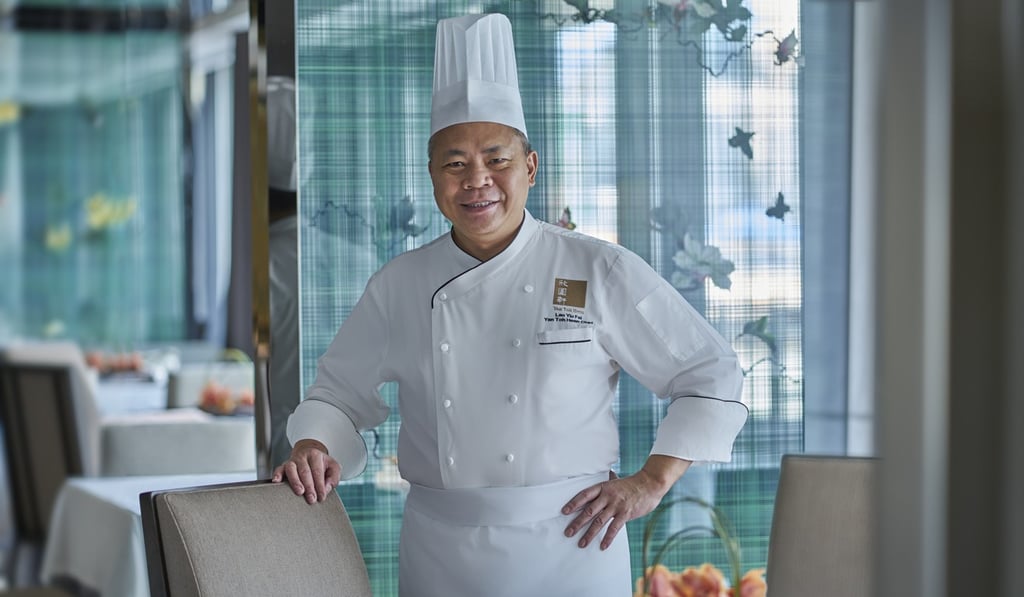
Like other hotel chefs, Lau is placing as much priority on style as substance. “I do think there is more focus these days on presentation, with the trend towards cuisine that looks aesthetically beautiful, as well as delicious to eat. In this Instagram age, diners like to photograph dishes before tucking in.
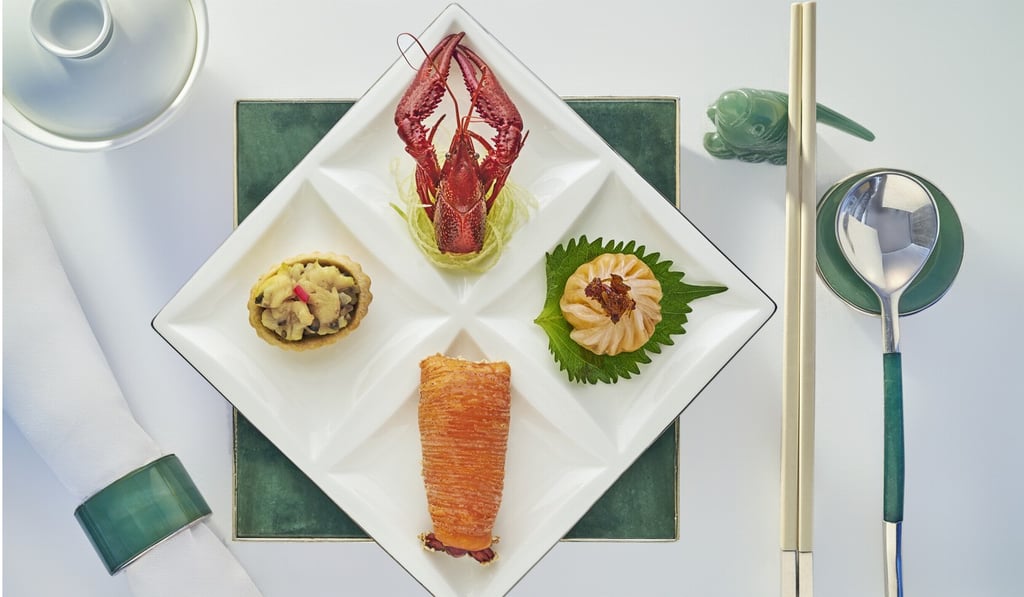
Chefs are now pushing the limits, from refined street food to Chinese haute cuisine, and infusing more creativity and innovation.”
Beyond hotels, a perennial favourite like Hutong is likewise compelled to shore up its classics menu to ensure service is as impressive as the panoramic vistas.
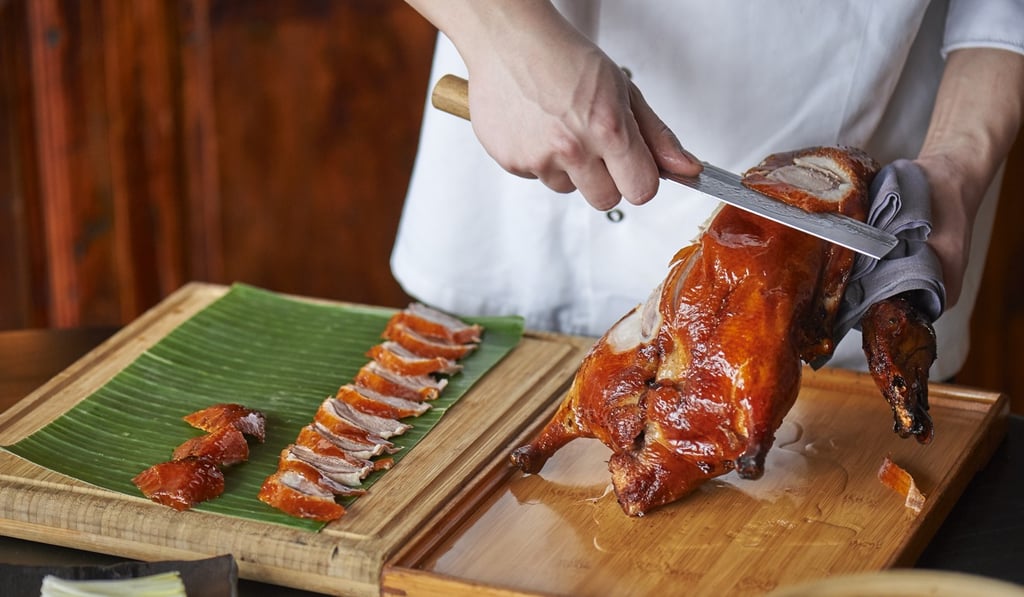
“Hutong’s award-winning Northern Chinese cuisine adds theatre for the guest’s experience,” says general manager Joe Chan. “We’re carving our aromatic Peking Duck tableside, and flame-torching the braised chicken with Chinese wine in a clay pot in front of guests. They’ve become some of our most popular dishes, and are often shared on social media.”
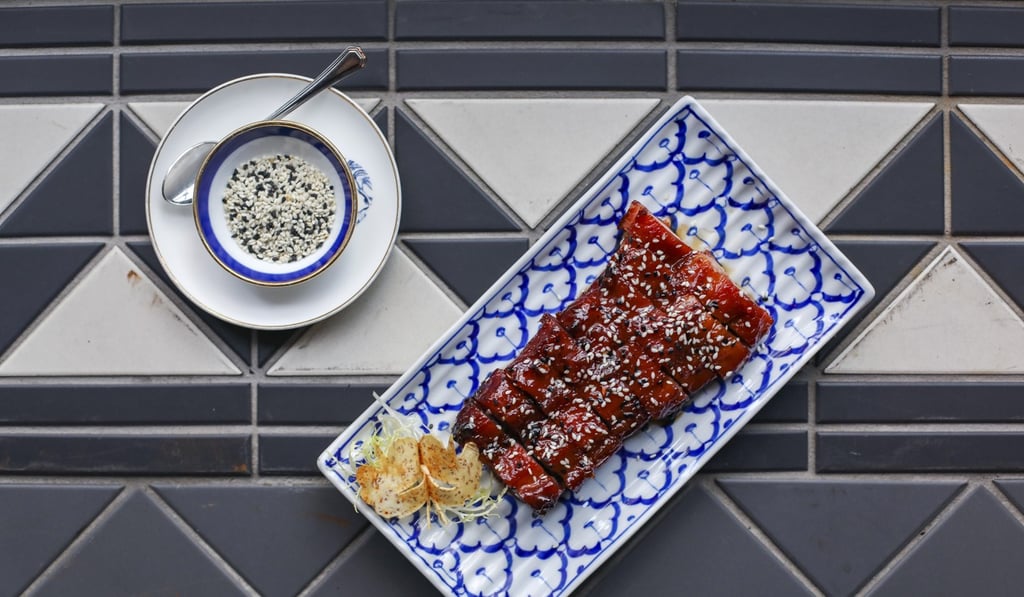
A new Aqua Group addition is The Chinese Library in Tai Kwun. Convincing suits to try a new setting can be tough but operations manager Tony Paese is confident today’s food-conscious clients want fresh and different experiences.
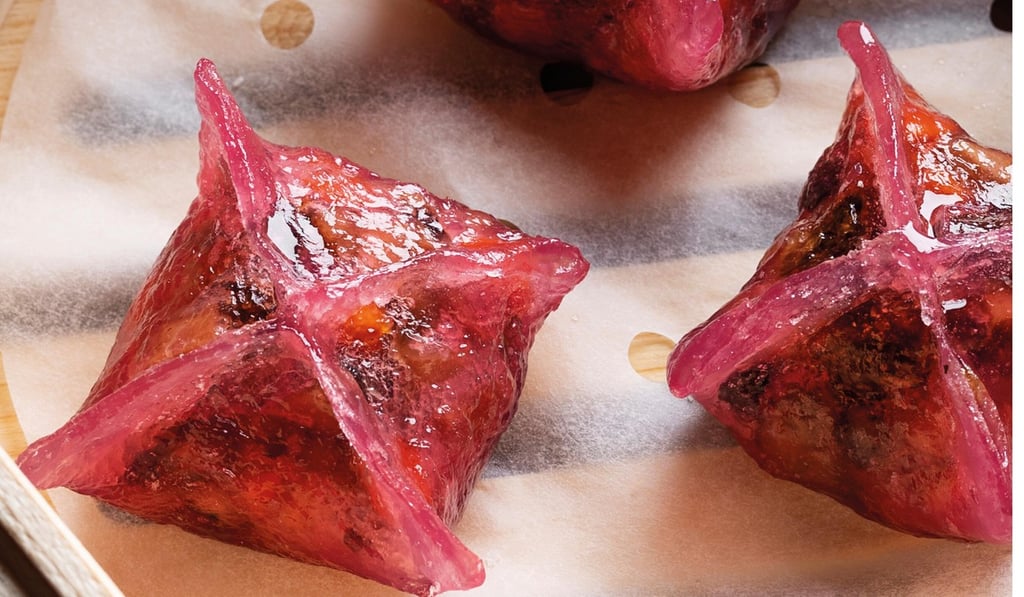
“Guests now have a good understanding of food and they are more informed,” Paese says. “The provenance of the product is becoming more important, so we have to ensure our front-of-house team is knowledgeable and well-trained. Chinese cuisine is becoming popular all over the world and is ever evolving. Our chefs are taking a modern approach, and combining dishes from different regions of China to adapt.”
There is a growing trend in Chinese cuisine of presentation
Dong Lai Shun in the Royal Garden is another Northern Chinese cuisine specialist and its special hotpots have become an unlikely but favoured option for boardroom bosses looking to work and play simultaneously.
“We have been in Hong Kong for 15 years,” executive chef Sze Chiu-kwan boasts. “Mongolian mutton is a speciality available exclusively at Dong Lai Shun. We also constantly create and upgrade the ingredients for our hotpot delicacies. Recently we launched a range of home-made meatballs and dumplings using healthy superfoods such as curly kale and quinoa. Our Silkie chicken with a fresh coconut hotpot soup base, made with Indian coconut, is also a popular choice. These are created to meet the healthy trend nowadays.”
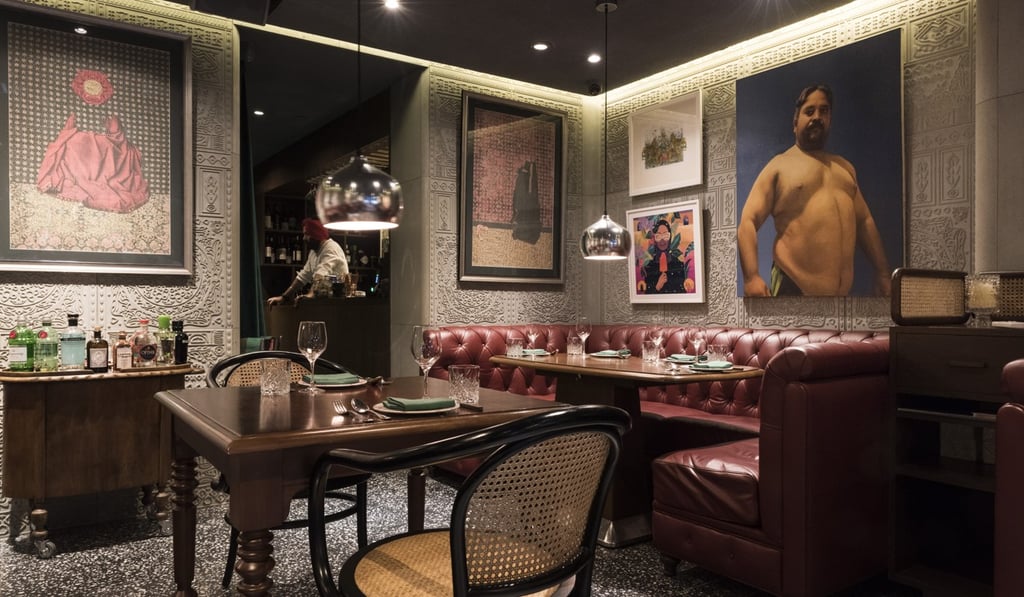
The New Punjab Club, operated by Black Sheep Group, has made a mark by reviving colonial-era cool.
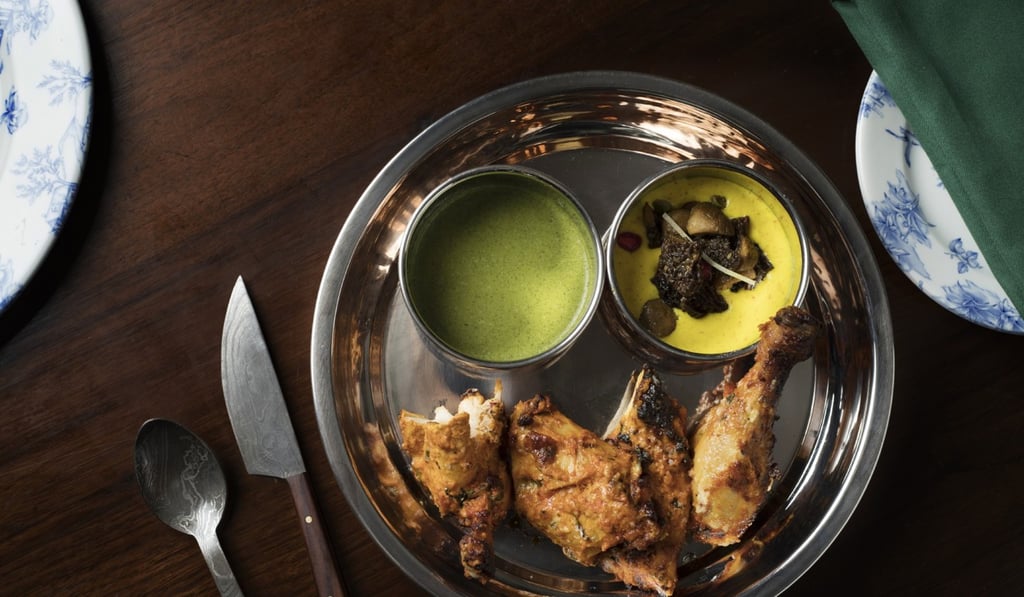
“Business diners are looking for a consistent reliable dining experience,” says Chris Mark, who co-founded the Black Sheep group with Syed Asim Hussain. “We actually started serving lunch on Thursdays and Fridays partly in response to requests from business diners.”
Another Black Sheep concept space popular with the business class is Osteria Marzia, a trattoria in the heart of Wan Chai.
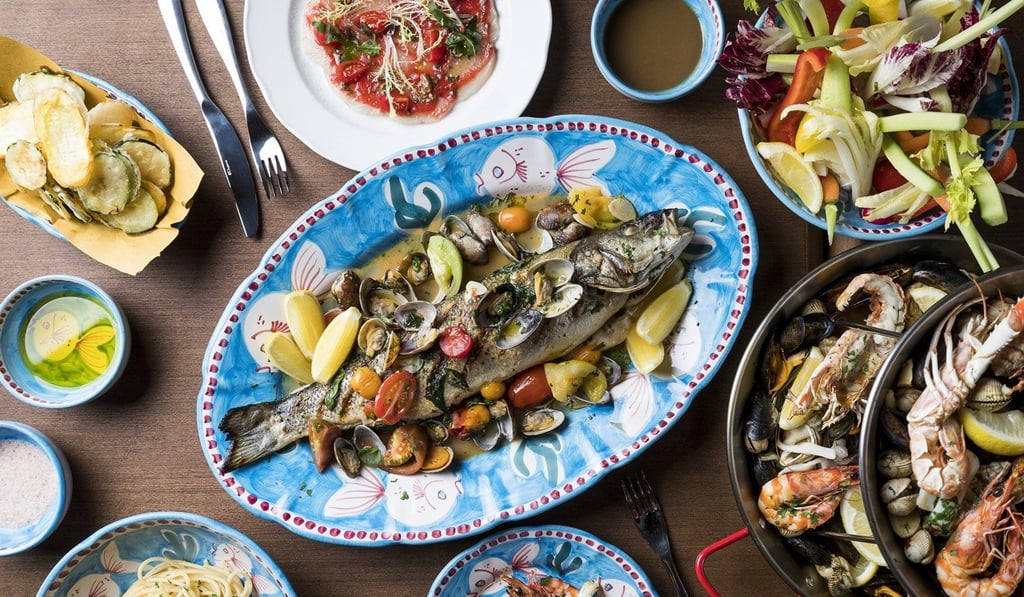
“A lot of legacy Hong Kong-based businesses are in that area, plus it is very close to the Convention Centre, so the geography of the restaurant makes it compelling, especially for lunch,” says Hussain.
“We have a good relationship with hotel concierges and when there are large fairs in town we try and makes sure everyone knows that we are a short walk away.
“Osteria Marzia is not a typical Italian osteria; it represents a specific cuisine along Italy’s coast. Guests are travelling more now, and they’re savvy to the fact that no country has just one kind of cuisine.”
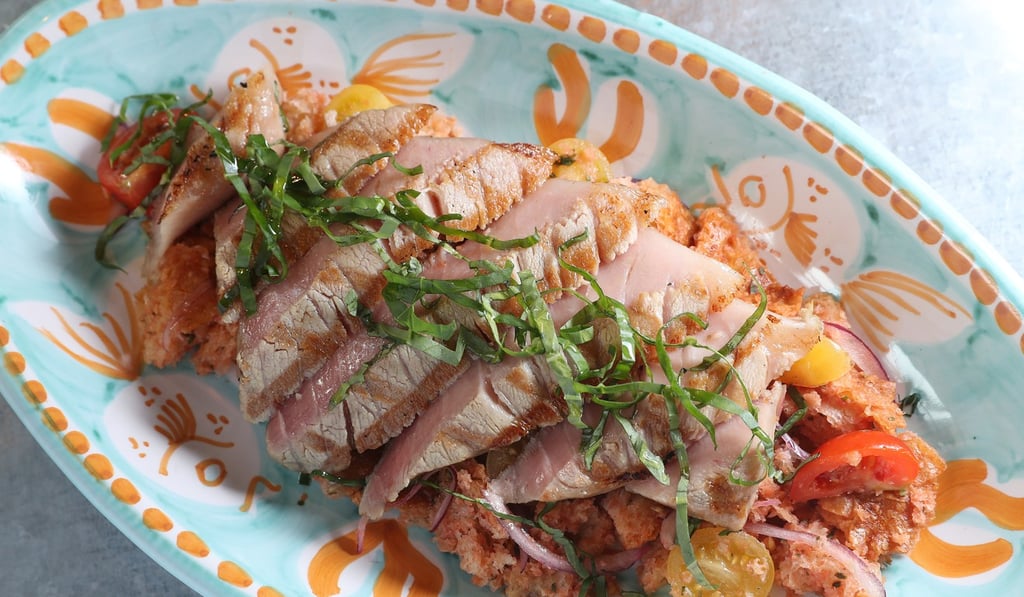
Not all businesses have the luxury of being situated in Central or Tsim Sha Tsui. Chef Edward Voon, of Le Pan, brings world-class sophisticated dining to the industrial confines of Kowloon Bay, proving the Field Of Dreams adage: if you build it, they will come.
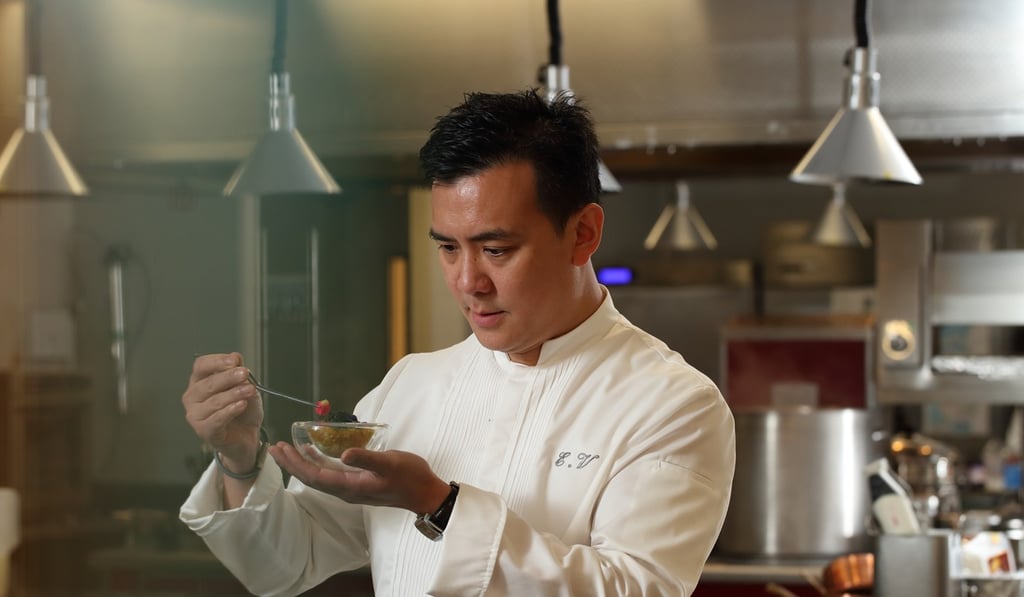
“I would say 60 per cent of our diners come for business entertaining, and the majority occurs at lunch. We offer inventive contemporary French food and we pretty much stand alone in Kowloon East for quality European dining, an important service to companies headquartered in this up-and-coming district.”
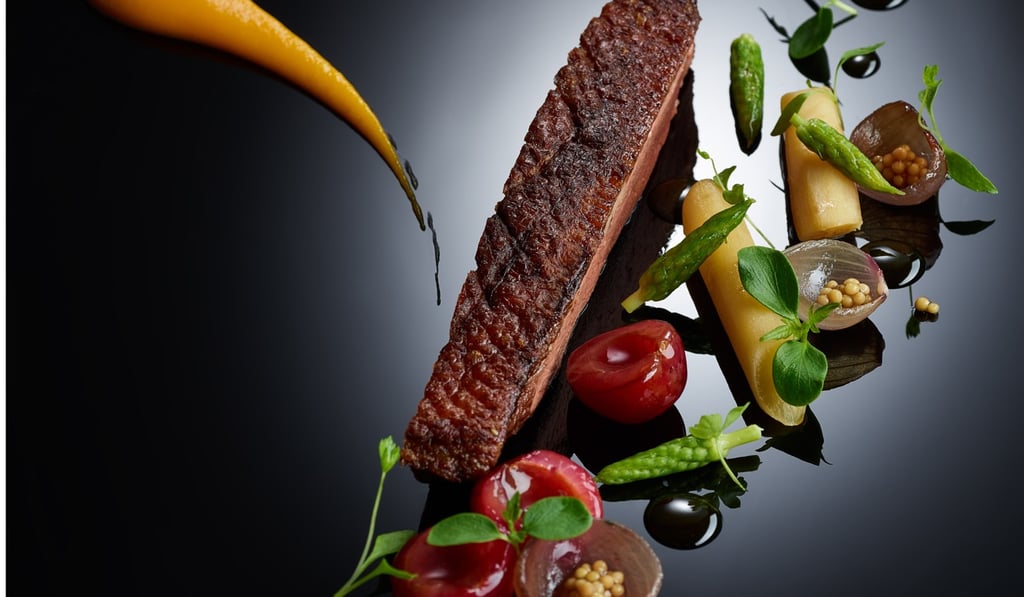
Ultimately, discriminating executives can find great culinary experiences anywhere in this city – the problem is that there are too many choices.
“We are lucky in Hong Kong to have a buzzing dining scene,” says Voon. “There are many small concept restaurants offering unique and exciting experiences, and chefs expressing themselves through great storytelling with their food.”
Want more stories like this? Sign up here. Follow STYLE on Facebook, Instagram and Twitter