Chocolate’s bean-to-bar boom, from Asian-inspired flavours to single-origin cacao

Artisanal brands like Marou, Dandelion, Pump Street and Fossa are among the makers championing traceable cacao, bold flavours and small-batch craft
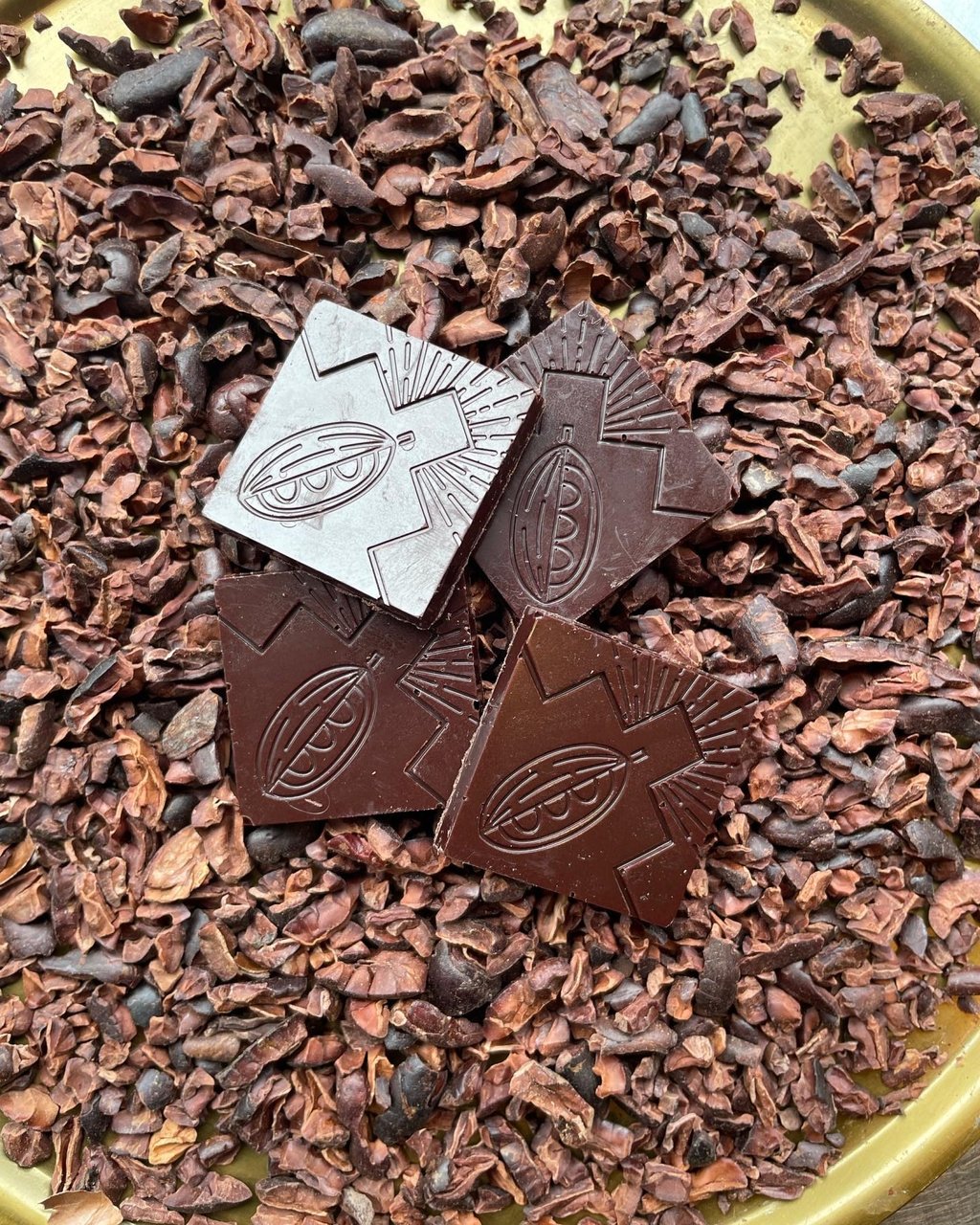
Mass-produced chocolate tends to include fillers, artificial preservatives, vegetable oil and minimal levels of cocoa (in the US, a chocolate bar can contain as little as 10 per cent cocoa). In contrast, many independent brands focus on celebrating the cocoa bean, which boasts a flavour complexity that is often compared to that of wine or coffee.
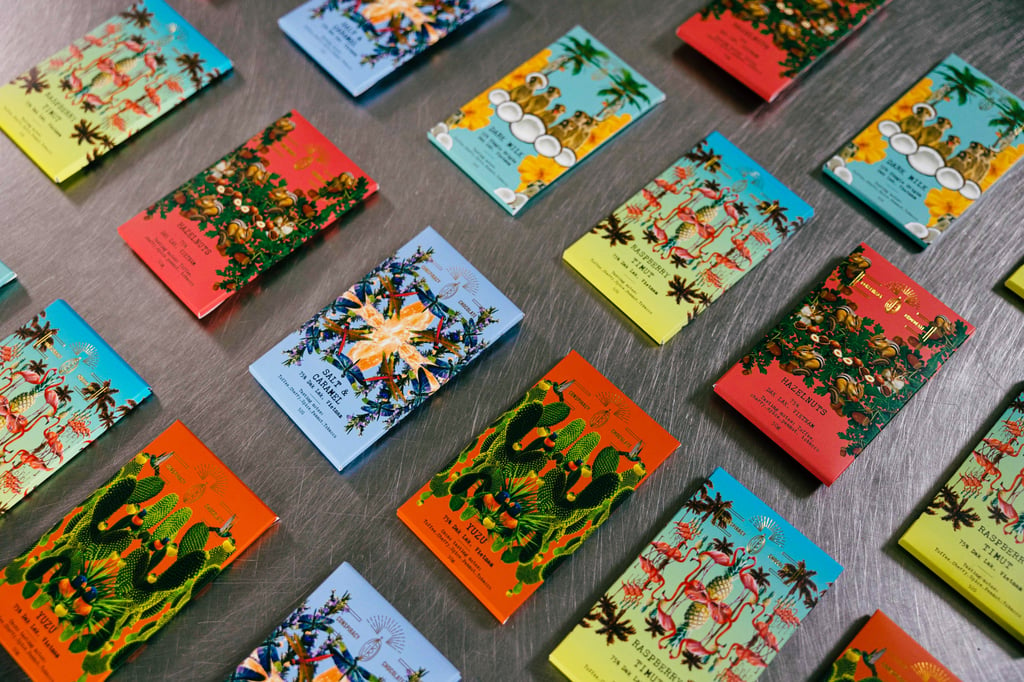
“In our case, we make chocolate with only two ingredients, which means we have to find the best beans in the world and process them extremely carefully,” explains Todd Masonis, co-founder of San Francisco-based Dandelion Chocolate. “Every harvest and every origin is different: some are fruity, some nutty and some chocolatey. You can taste the terroir and nuance of each bean,” he says.
It’s common for independent makers to source their beans directly from farms in countries in Africa, South America and Asia. Each region is known for its distinct flavour profiles, so these artisan bars have a distinctive edge over mass market counterparts. For example, Peruvian beans have earthy, fruity and spicy notes, while Ecuador’s are floral, nutty and complex. The bold and fruity beans of Vietnam are also popular and are being celebrated by Asian brands like Vietnam-based Marou Chocolate, which will be opening a boutique in Hong Kong later this year.
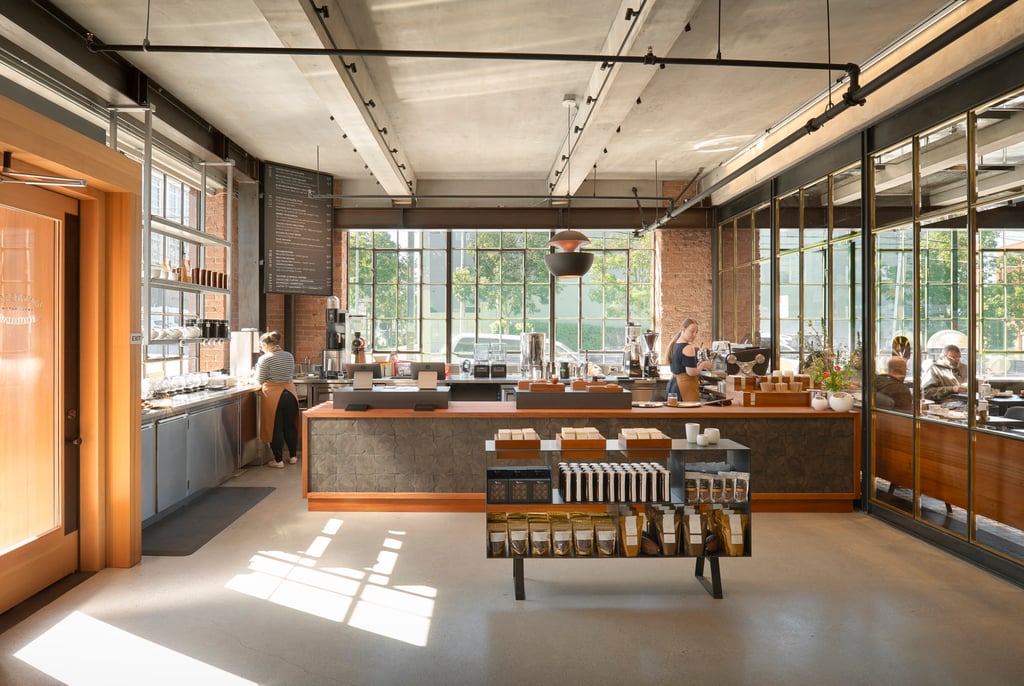
“In the traditional chocolate world, beans are shipped halfway across the globe to be processed into something anonymous. We do the opposite,” says Marou co-founder Vincent Mourou. “Making our chocolate in Vietnam gives us incredible control over flavour. We can adjust a fermentation batch, experiment with a new terroir, all within days. That proximity and the independence to be adventurous with our recipes allows us to create something truly distinctive and delicious. Sustainability isn’t separate from our product; it’s part of our flavour strategy.”
Of course, selecting the perfect bean is just part of the story. Most of these brands control the entire production process from “bean to bar”, creating a transparent and traceable supply chain, which is a major plus for conscious customers.