Advertisement
Advertisement
Advertisement
Dining

Discover colatura di alici, Italy’s fish sauce adding zing to dishes worldwide

STORYBernice Chan
Anchovies are salted and cured to make the flavour-enhancing sauce colatura di alici. Photo: Handout
Food and Drinks

Originally from the Amalfi Coast, colatura is made from anchovies that are cured in salt to produce a strong, distinctive flavour
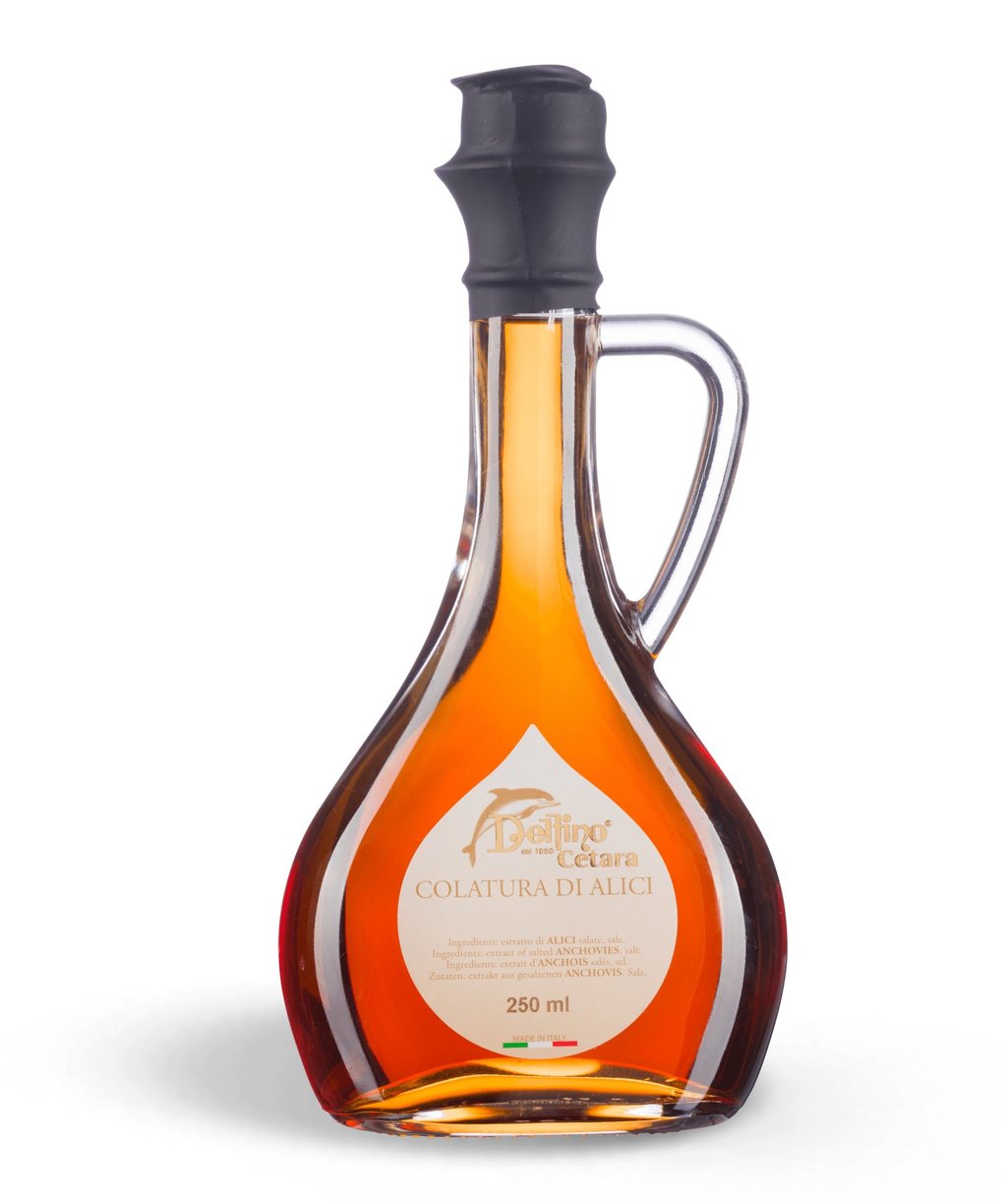
Colatura di alici – a prized fish sauce made from anchovies – has been described as edible liquid gold. Adding a few drops of it is like giving an extra umami bump to all kinds of dishes – from a simple plate of spaghetti to Caesar salad, fish, meat and even pizzas. While this amber liquid is not that easy to find, and often comes with a hefty price tag to boot, it can do wonders for your dishes.
Made in Italy using traditional methods, colatura di alici has become popular around the world in recent years. Photo: Handout

Italian food writer Cristina Rombolà explains that colatura di alici has been around for a long time, but has become globally popular only recently thanks to a combination of the Slow Food movement, Michelin-starred chefs using the artisanal product, and even appearances on culinary shows like MasterChef.

Advertisement

“Despite its longevity, for many years colatura di alici was overlooked because it was thought to be made from rotten anchovies,” she explains. “It has now become popular for several reasons, which I believe are attributable to the popularity of individual chefs that has led to wider coverage of food in the media, including its production.”
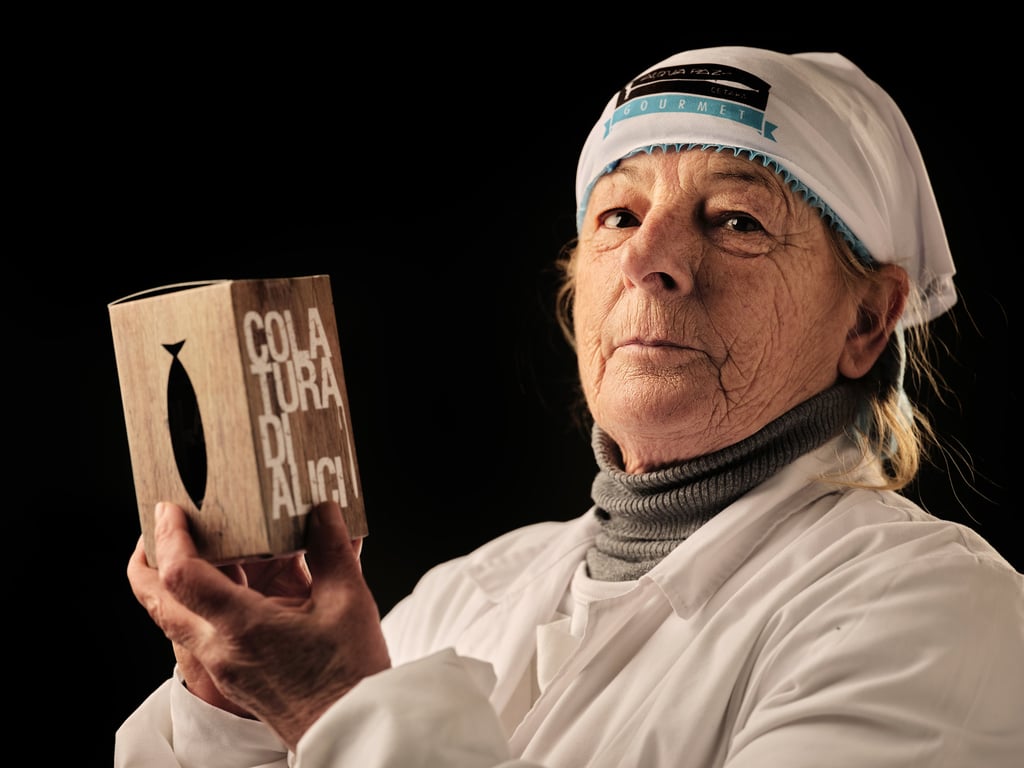
Based in Cetara on the Amalfi Coast, Delfino Battista has been making colatura since 1950. Photo: Handout

A small 50ml bottle of colatura, also nicknamed “Parmesan of the sea”, can cost 30 euros (HK$276). Delfino Battista, a family company started just after World War II, is now considered the premier brand, still using the same recipe introduced by founder Pasquale Battista.

Colatura comes from the Italian word colare, which means “drip” or “strain”. Rombolà says that traditionally it came from Campania, in southwestern Italy, and particularly from Cetara, a small fishing village on the Amalfi Coast.

The village overlooks the Gulf of Salerno, where anchovies flourish. Caught in nets, the anchovies are then gutted and their heads removed. The fish are then submerged in saltwater for 12 hours before being cured with salt.

Anchovies are cured in a barrel with Trapani coarse salt, with the lid weighed down by a heavy stone. Photo: Handout

“This involves packing the anchovies tightly in alternating layers of Trapani coarse salt in small wooden casks covered with a wooden lid, on which a heavy stone is placed to press the fish,” Rombolà says.

The combination of pressure and salt causes the fish to dehydrate and slowly ferment, with the resulting liquid being colatura.

Select Voice
Choose your listening speed
Get through articles 2x faster
1.25x
250 WPM
Slow
Average
Fast
1.25x