Historic Hong Kong Buildings & Landmarks
Living heritage
+ FOLLOW
Register and follow to be notified the next time content from Historic Hong Kong Buildings & Landmarks is published.
Remembering cultural landmarks, colonial-era architecture and infrastructure projects that transformed Hong Kong into the city we see today.
Latest News
News


Opinion
With Hong Kong Intangible Cultural Heritage Month in full flow, a look at ICH’s five main domains and the importance of linguistic heritage.
Long a magnet for tourists, the vast choice of ‘oriental’ curios on sale at visitor hotspots across Hong Kong have been a feature of the city since its urban beginnings.
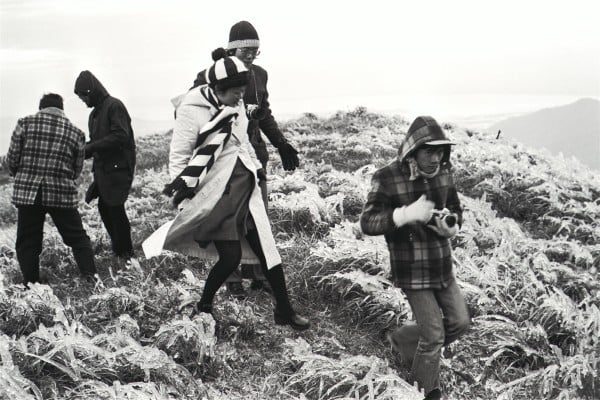
Where did well-heeled Hongkongers escape the summer heat in the years preceding mass tourism?
The city’s cooler months require heavy warmer clothes, but how to care for these often luxury items during gruelling summers?
Home deliveries are far from new – lowering a basket on a rope to hawkers selling everything from food to hardware was once typical.
In the not-so-distant pre-digital age, poste restante services provided a vital lifeline to home for generations of travellers.
As the enduring popularity of bagpipes proves, Hong Kong culture is as diverse as it is distinct.
Taxis may be ubiquitous in Hong Kong today, but for much of the city’s urban history, human-powered transport was the only choice.
Art clubs and societies have helped shape the city’s vibrant and diverse cultural landscape, since the 19th century.
Demographics have shifted over the past century, with ethnic Chinese now the overwhelming majority of the student population in these schools.
Hong Kong was decades ahead of Britain when it came to the ordination of women priests, even though that might seem unlikely today.
Often considered ‘rats of the sky’, pigeons became a popular choice for food in Hong Kong in the early 20th century because of their easy breeding.
LOADING
Unfollowed
View all