Shaoxing wine goes upmarket: Dongqu’s luxury touch elevates the Chinese pantry staple
Forget cooking wine. One ambitious producer is betting that one of China’s oldest ferments deserves a place among the world’s great fine wines

For a small city of three million people, Shaoxing stands as a giant in the global Chinese collective consciousness. After all, the name of the eastern Chinese city is emblazoned on the quintessential bottles of cooking wine that are found in Asian households and restaurants the world over, with which numerous Chinese regional cuisines – from the complex braises of Shanghai and Zhejiang (the province where Shaoxing is found) to the spicy marinades of Sichuan province and the subtle steamed seafood of Cantonese fare – would be nigh on impossible to cook without.
Shaoxing wine is one of China’s oldest grain ferments, evolving from ancient rice ales into a polished yellow wine poured at rites and family banquets for more than two millennia. First linked to early ritual offerings in the Spring and Autumn period (770BC to 476BC) and Han era (206BC to AD220), it later soaked the verses of Tang and Song dynasty poets, becoming a favoured pour at riverside feasts and scholarly gatherings. By the Qing dynasty (1644-1911), it had settled into its role as a symbol of longevity and good fortune, especially around autumn and winter festivals.
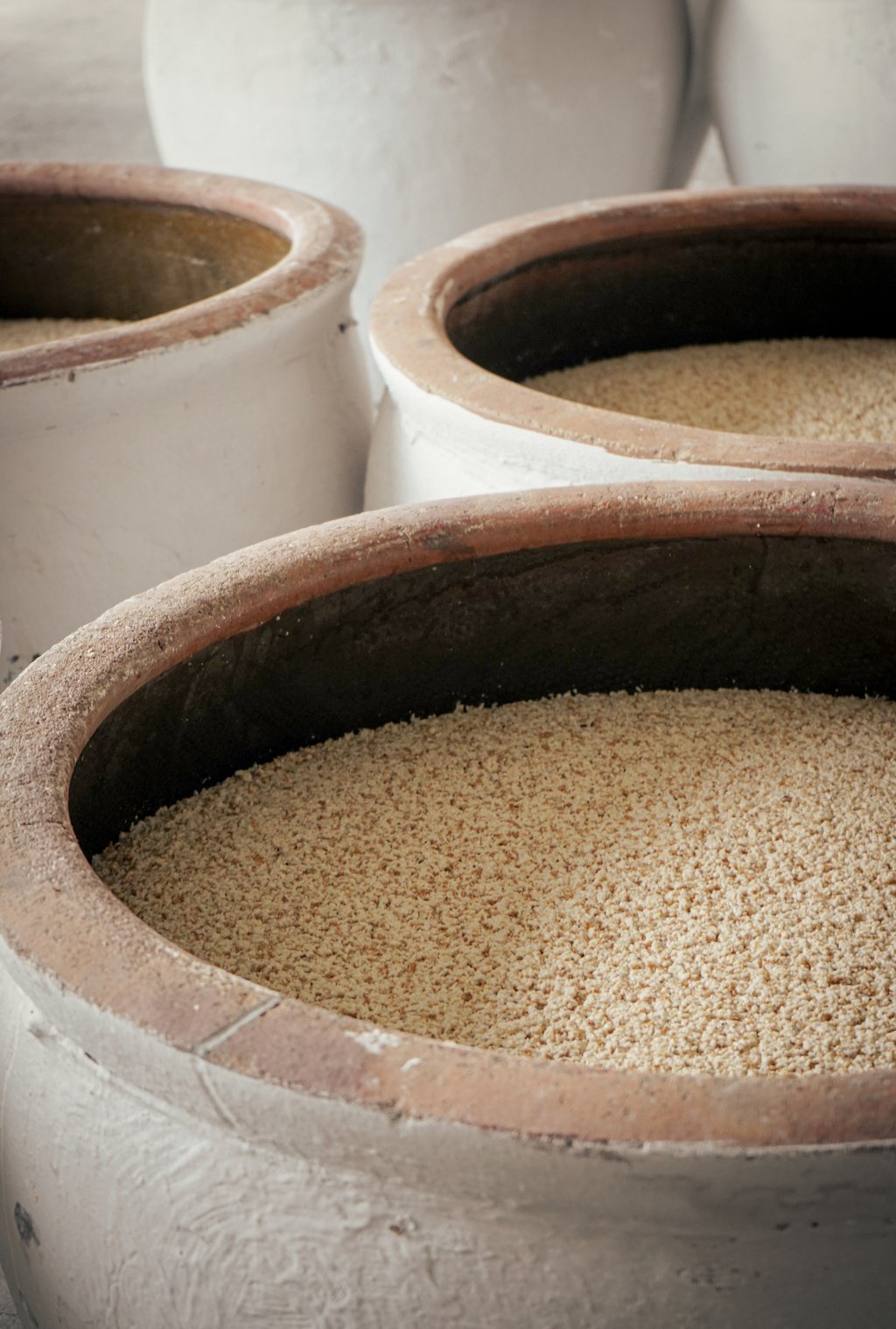
The character of Shaoxing wine is defined by three markers of terroir: the base grain of glutinous rice, Jianhu lake water fed by the Kuaiji Mountains and the qu (a wheat-based starter) that seeds fermentation with a complex microbiome. Today, Shaoxing is protected as a geographical indication, so any bottle bearing the name must be born of this landscape.
Yet, for an industry that produces more than 600,000 tonnes annually, only a fraction of Shaoxing wine is intended for table-drinking, and just a hair’s sliver of that is produced by boutique wineries at the luxury end of the market.
Chen Zhi is looking to change that. In his late 30s, the boisterous, bespectacled businessman is a rare presence in a slow-moving, tradition-bound industry that is closely tied to the state, where the cultural concept of guanxi (connections) still reigns supreme.