Advertisement
Advertisement
Advertisement
The enduring legacy of Rolex’s 70-year-old GMT-Master: it revolutionised time zone tracking, and brands like Tudor and Panerai are adding extra complications with GMTs to appeal to collectors
STORYJosiah Ng

GMT watches remain popular for their ability to track a second time zone, and though Rolex is the blueprint, other brands have reinterpreted the design – and frequent fliers still love it
Visitors to West Kowloon Cultural District’s Freespace in Hong Kong between May 26 and June 8 can catch an exhibition on one of Rolex’s most important models: the GMT-Master. The watch celebrates its 70th anniversary this year, an occasion that marks one of watchmaking’s most elegant answers to the problem of tracking multiple time zones.
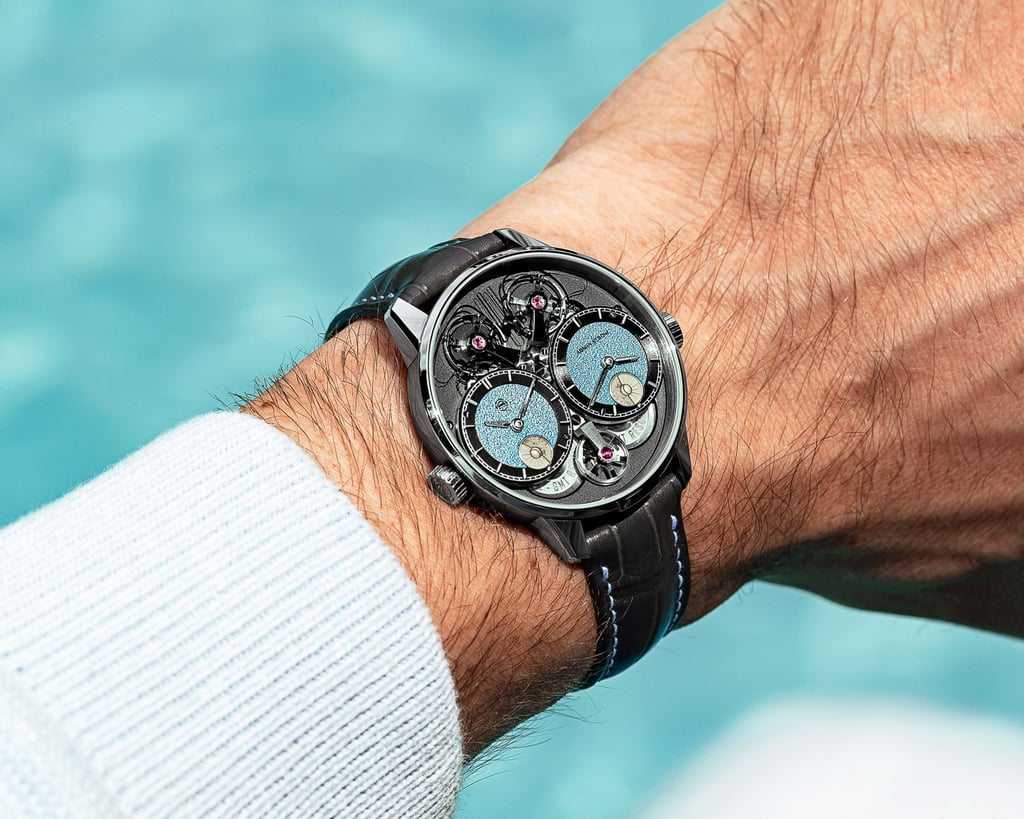
The watch and its namesake GMT complication gain their name from the addition of an extra watch hand that tracks time on a 24-hour index. The GMT hand can be set to one’s home time zone, or to Greenwich Mean Time – also referred to as UTC or Zulu Time. The Longines Zulu Time from the 1920s also allowed for multiple time zones, but the 24-hour index of these watches was located within the minute track rather than on a rotating outer bezel.
Advertisement
Select Voice
Select Speed
1x
AI-generated voice