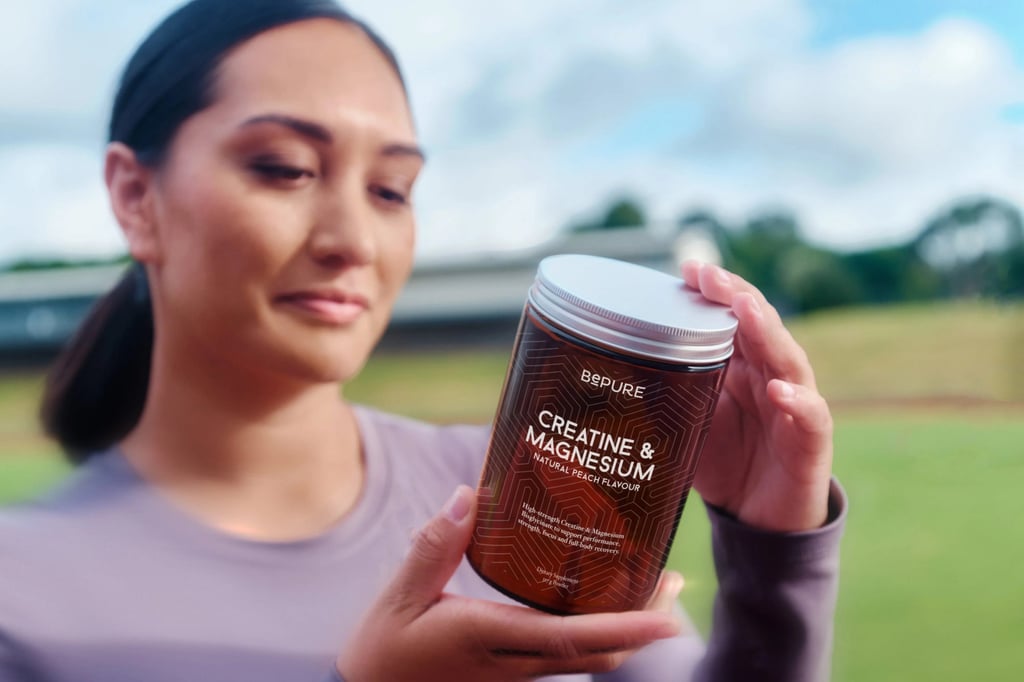
Creatine for women: benefits for strength, brain health and hormones – without the bulk

Long linked with men’s bodybuilding, the supplement is now proven to boost women’s health – even Balenciaga is getting in on the action
Our body produces creatine naturally, stored in muscle and topped up through food. Women generally have lower total creatine stores than men, around 70 to 80 per cent less, a gap that, according to Dr Mark Kovacs, founder of the Kovacs Institute and former director of the Gatorade Sports Science Institute, “creates a scenario where women may have more room for improvement from supplementation”.

That deficit is precisely the point. According to Jarman Gosai, strength trainer and founder of Gym Concoction in Melbourne, that lower starting point actually makes women more responsive to creatine supplementation. “It’s like a phone battery sitting at 30 per cent versus one at 70 per cent: the one at 30 per cent has more room to charge, so the boost from plugging the cord in is bigger,” Gosai says.
What creatine is actually doing is replenishing ATP, the body’s primary fuel source, which muscles burn through almost instantly during high-intensity effort. “I usually like to think of creatine as the tool to increase the size of your ‘quick energy backup pool’ – the more you have of it, the longer your muscles will be able to tolerate intense repeated work,” says Marwa Ahmed, certified strength and conditioning expert and founder of The BodyMind Coach. What that usually means is better running times, heavier lifts or faster recovery between repeated sets.
The gym case is pretty well-established at this point. But for most women, the hesitation is about what creatine might do to their bodies. The bloating, the bulk, the puffy look; a handful of specific fears tend to come up again and again, and they’ve followed creatine into the women’s wellness conversation for years.
Starting with the bulk: building the kind of size typically associated with creatine use in men requires testosterone levels that women simply don’t have. “The low testosterone with the lower creatine baseline means the effects of creatine show up more as better recovery, higher performance or improved mood – more so than visible muscle gain,” says Ahmed.
The water retention question is related but different. “Creatine primarily increases water inside the muscle cell, not underneath the skin,” says Kovacs. “This intracellular hydration is actually one of the mechanisms that may contribute to improved muscle function, recovery and adaptation. It is very different from the type of water retention people often associate with feeling puffy.”