What’s really in your menstrual products – and should you be worried?

TikTok exposed Always for chemicals and mould concerns, but newer brands like Rael and Thinx are proving the period aisle can do better
The beauty aisle has had a quiet but unmistakable glow-up. Serums went solid, moisturisers went fragrance-free, and now that same forensic scrutiny is focused on a category that, for decades, didn’t invite questions: period products.
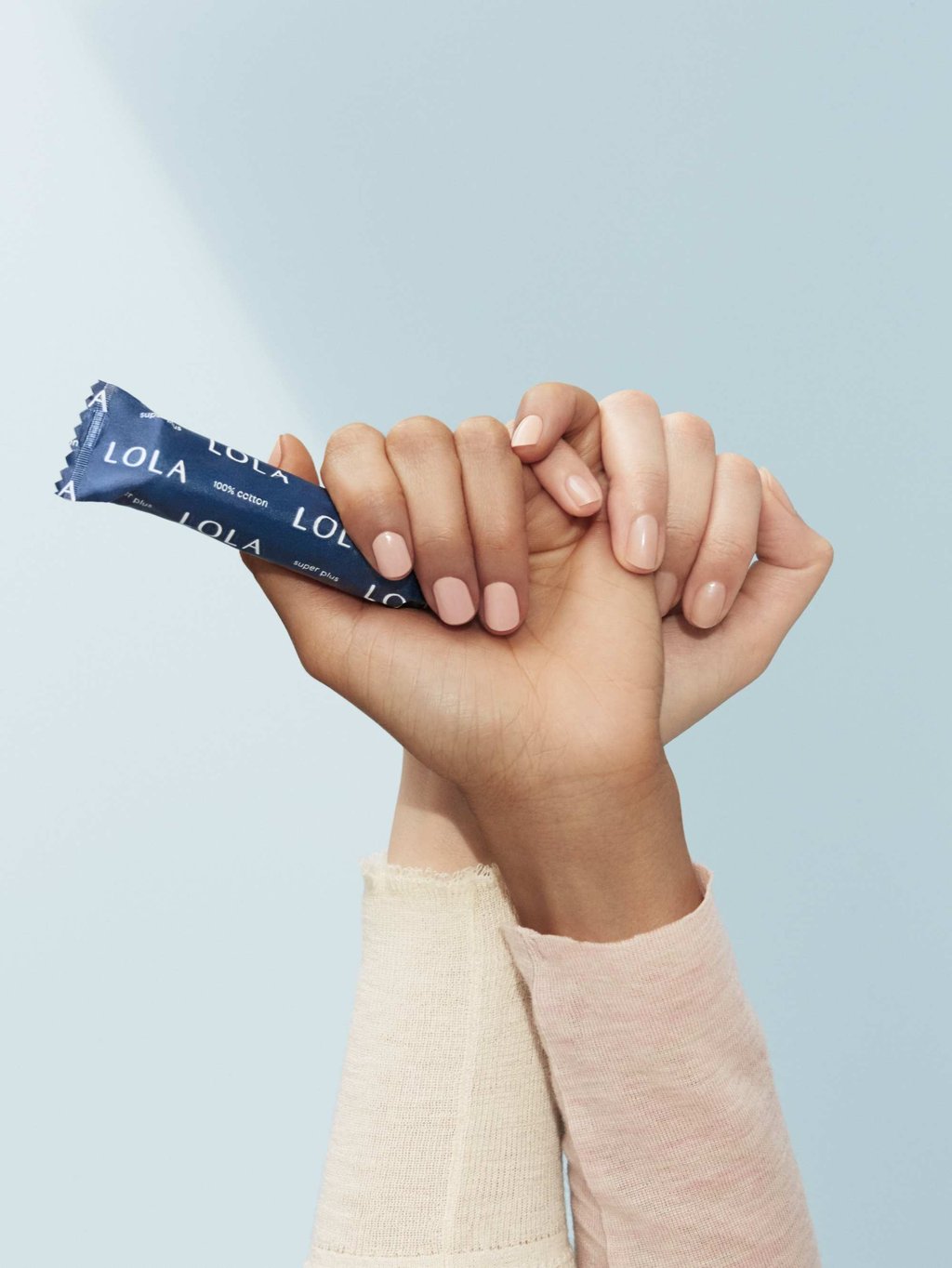
The tampon has also been getting attention. For a long time, it was cast as the sophisticated, active woman’s choice, but sales have been dipping in the past few years, especially after a 2024 peer-reviewed study detected heavy metals, including lead and arsenic, in every tampon brand it tested.
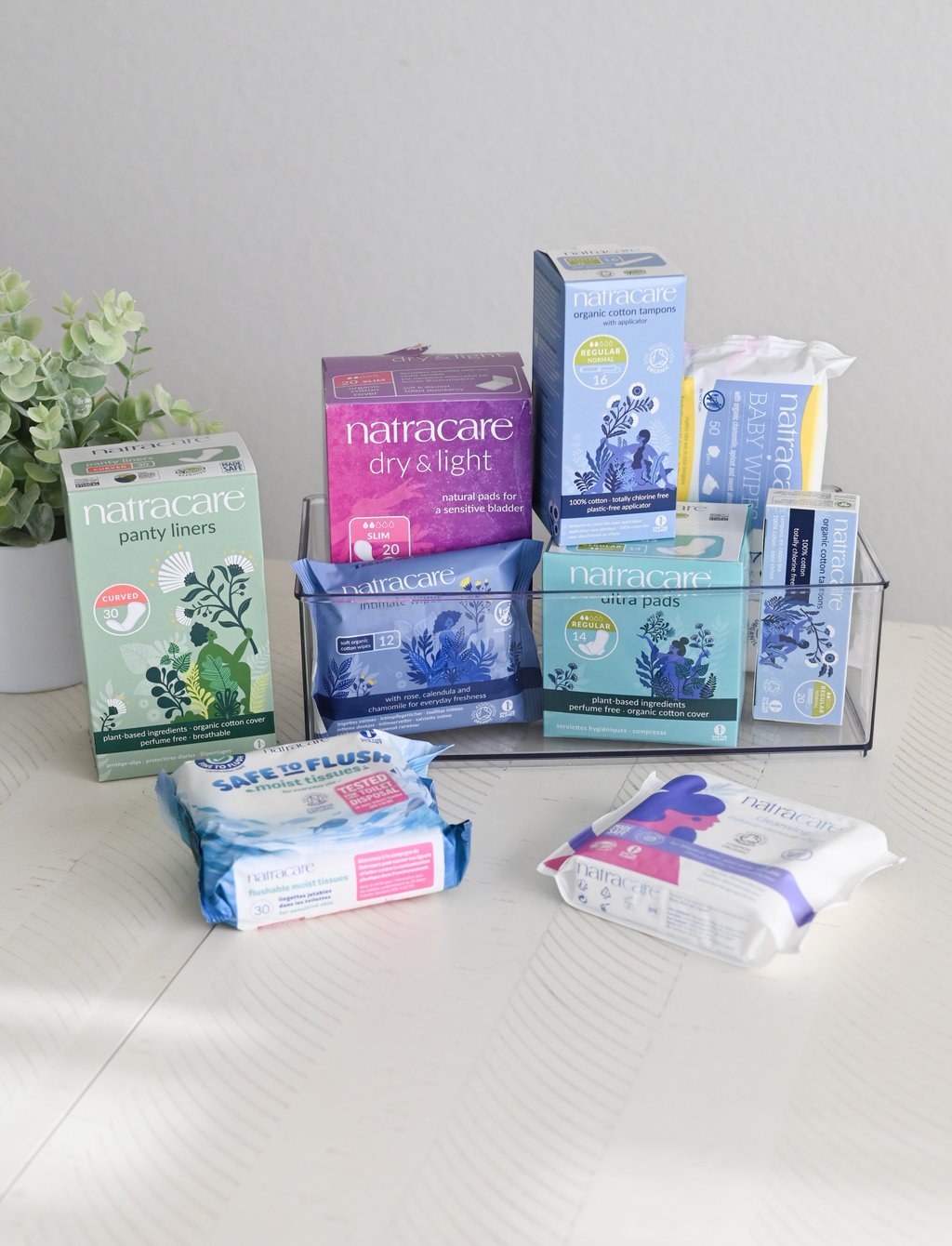
The conversation is so charged, in part, because the industry has never been forthcoming about what’s actually in these products. As Susie Hewson, founder of Natracare – the world’s first plastic-free, organic-cotton period brand, established in 1989 – explains, “The absorbents industry has not chosen to be transparent about the materials and ingredients used in their products or the processes used to extract and manufacture the raw materials.”
Plastic is a case in point, because it rarely appears on any label. The leak barrier in most conventional pads is made from polythene, a petroleum-derived plastic also used to make disposable shopping bags. “I estimated that there can be the equivalent of five plastic carrier bags’ worth of plastic in a pack of menstrual pads,” Hewson says. Add the polypropylene top sheet, designed to mimic the feel of soft fabric, and the superabsorbent polymer gels used to lock fluid in place, and what you have is a product that’s far more synthetic than it appears. While they work well, most of the time they won’t biodegrade.
For most people, though, the more immediate concern is the skin. And here the science points clearly to one culprit above all others: fragrance.
“Fragrances or scenting agents that are sometimes included to mask odour can increase the risk of irritation or allergic contact dermatitis, particularly in people with sensitive skin,” says Dr Erum Ilyas, a US dermatologist. In severe cases, the reaction produces blistering that can be misdiagnosed as herpes – something she’s encountered in her own patients and addresses in her book, No-Nonsense Skincare. Importantly, the skin of the vulva is thinner and more reactive than skin elsewhere on the body, so ingredients that cause no visible problem on your arm can cause significant problems lower down.
This is also where the organic label deserves a closer look. “Seeking natural or organic pads doesn’t automatically mean a safer [choice],” Ilyas says. “With sanitary pads, these terms typically refer only to the thin top sheet that sits directly in contact with the skin. Beneath that layer is usually an absorbent pulp that tends to be similar across products.” If sensitive skin is the concern, her guidance is simple: choosing fragrance-free and dye-free products will do more for you than organic alone.