Magnesium can help you sleep – but check the dose and the most effective way to take it

Experts advise on magnesium threonate, malate, citrate and other compounds, as well as whether you should take it as a pill, as a powder added to a drink or as a spray
There was a time when a warm bath and a lavender candle represented the height of bedtime preparation. Now, we’ve gone all elemental: swirling magnesium into mocktails, rubbing it onto our calves, frothing it into hot chocolate and counting out gummies like rosary beads. But does the mineral actually help anyone sleep better?
Of course, we’ve been tossing and turning over sleep for years: tracking it, hacking it, catastrophising about it – so when TikTok entered its cosy-wellness era, magnesium became the inevitable star. The now-iconic “sleepy girl mocktail” followed soon after: a swirl of magnesium powder, tart cherry juice and coconut water – endlessly remixed to showcase the wellness drink du jour. It didn’t hurt that melatonin was suddenly facing backlash for next-day grogginess and vivid-dream side effects, leaving a gap for a “gentler” alternative.
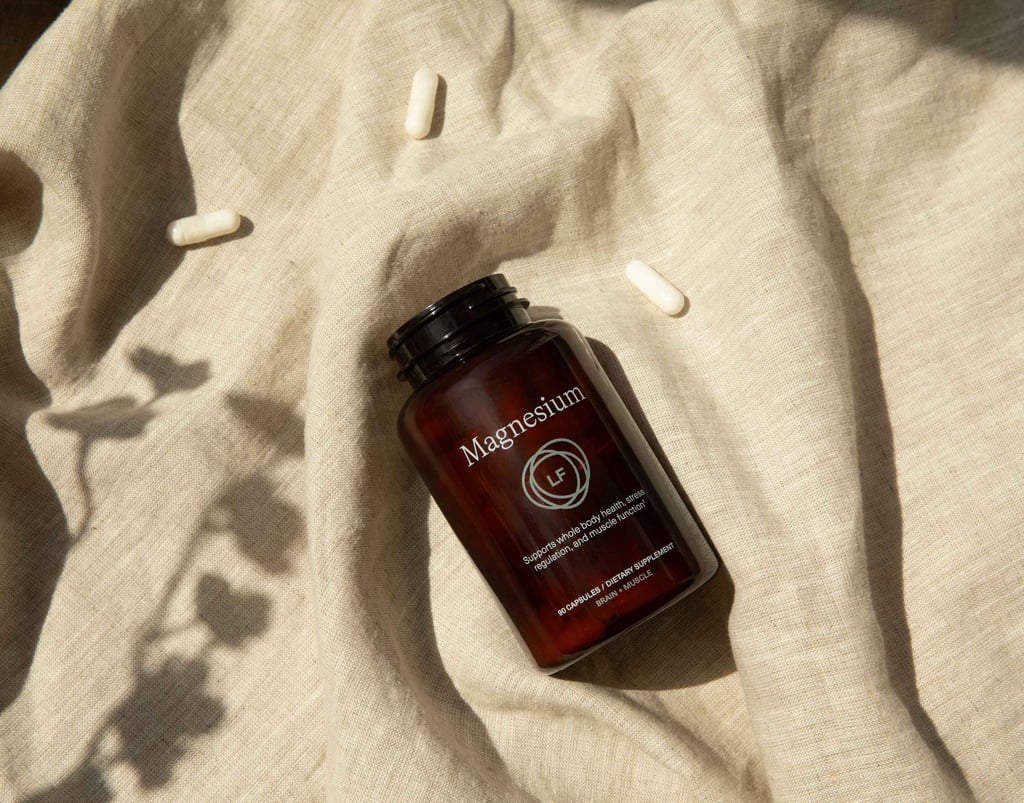
In fact, magnesium’s effects are far subtler than the internet would like you to believe. As Dr Reuben Chen, chief medical adviser at California-based wellness company Sunrider International, explains, magnesium “acts primarily as a natural antagonist to the N-methyl-D-aspartate [NMDA] receptor and helps regulate gamma-aminobutyric acid [GABA] activity”. Put simply, the mineral can help put a soft brake on excessive neuronal excitement. It won’t knock you out, but it can make your brain feel less like a browser with 47 tabs open. Magnesium can also reduce subjective feelings of restlessness that interfere with sleep, Chen notes.

Dr Adam Jameson, pharmacist and precision health executive at Reviv Global, a UK-headquartered purveyor of health and wellness services, notes that supplementing with magnesium is particularly useful when diet or stress has depleted the body’s natural levels. “It may help the body shift into a calmer state before bed, and can reduce muscle tension, twitches or cramps,” he says. The mineral also contributes to COMT, an enzyme that breaks down neurotransmitters like dopamine and adrenaline. “If magnesium is low, this breakdown can be less efficient, and the brain may stay in more of a switched-on state,” Jameson explains.

Once you decide to try magnesium, you’re faced with a bewildering choice of options: there’s magnesium you swallow, magnesium you stir into a drink, magnesium you spray onto your shins, and magnesium that promises to cross the blood-brain barrier. “For sleep, the evidence indicates that magnesium glycinate provides better absorption rates and fewer gastrointestinal side effects than other magnesium compounds,” says Dr Bronwyn Holmes, medical advisory board member at Eden, a US-based telehealth company. She points out that one of the main reasons people stop taking magnesium is due to gastrointestinal side effects such as nausea and cramps. It’s also why so many evening-focused formulas (from the likes of Thorne and Wild Nutrition) rely on this gentler form.

Magnesium oxide and magnesium sulphate are the two forms to steer clear of if sleep is the goal, says Holmes, as they’re generally poorly absorbed and are better known for their laxative effect. Then there’s magnesium threonate, the internet’s favourite brain-penetrating form. “Magnesium threonate is a form that is best known for supporting cognition, brain health and mood,” says Maura MacDonald, medical education specialist in sports nutrition at Thorne. Some research suggests it may support sleep indirectly through its effects on cognitive relaxation, making it the favourite of knowledge workers, anxious high achievers and anyone who Googles “why can’t my brain turn off at night”.