From wellness OG Gwyneth Paltrow, to newer entrepreneurs like Halle Berry, celebrities have shifted their focus from beauty to health
Once upon a time, the most predictable celebrity side hustle came in the form of a frosted glass bottle. In the 2000s, fragrance was the ultimate A-list accessory. The world’s biggest stars bottled moods that cost the same as a department-store spritz, from Britney Spears’ Curious to Glow by J.Lo. Come the late 2010s and early 2020s, celebrity brands like Fenty Beauty by Rihanna and Rare Beauty by Selena Gomez began to dominate product displays.
These days though, it’s less about smelling or looking like your favourite celebrity, and more about stepping into how they live and feel. Wellness products – from magnesium powders and electrolyte blends, to mood gummies and functional teas – have become the new celebrity must-haves, finding their way into your morning routine, your sleep schedule and even your self-talk.
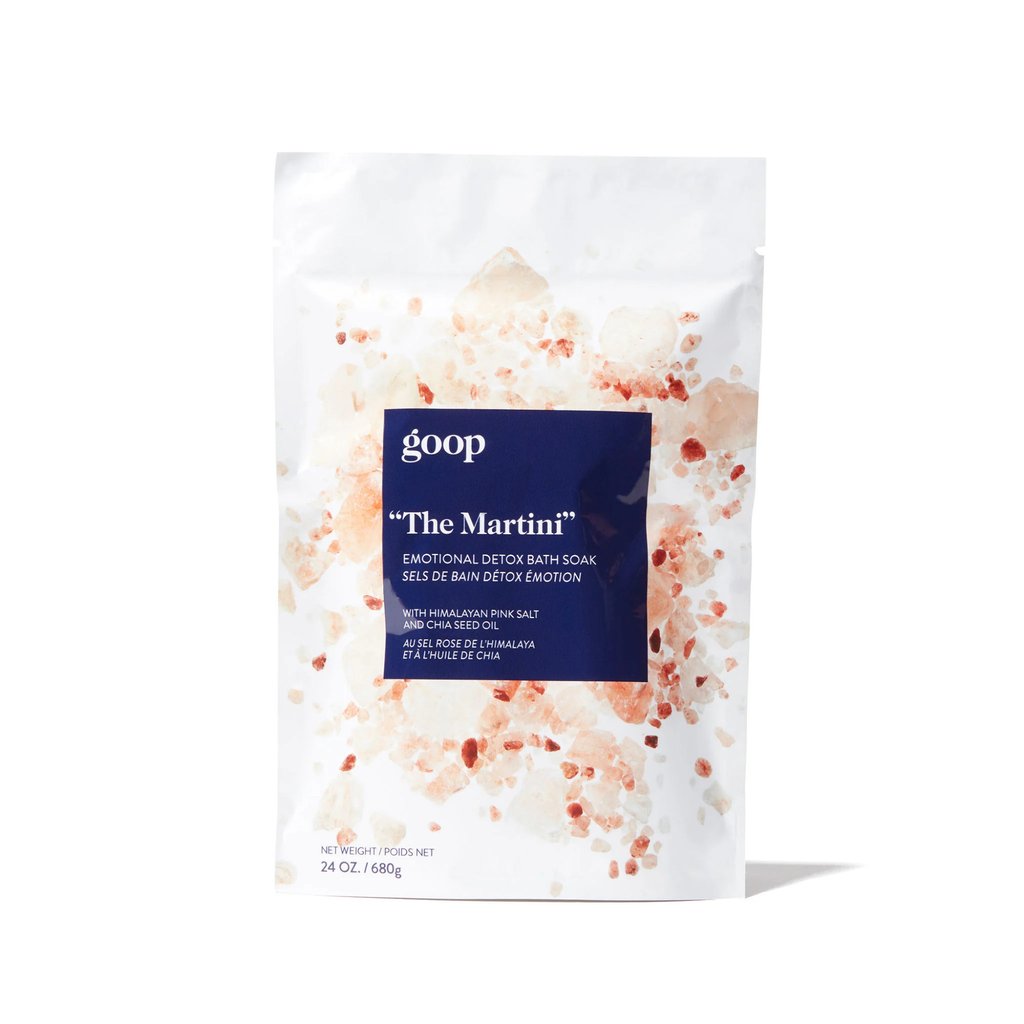
Goop The Martini Emotional Detox Bath Soak. Photo: Handout
Advertisement
Celebrity brands have always thrived on reinvention, but wellness offerings go further, drawing you into the star’s world – or at least the curated version they share. “Wellness offers celebrities the perfect alignment between their personal image and a scalable consumer product,” says Stacy Jones, founder and CEO of Hollywood Branded, an LA-based influencer marketing and branded content agency. “Wellness also has strong consumer demand across age groups and markets, with repeat-purchase potential,” she adds.
In Jones’ view, this makes the wellness industry about more than just selling a product. Rather, it’s about selling an aspirational version of health, balance and longevity that fans want to buy into. That daily integration is key: a perfume sits on your vanity while a gummy lives in your kitchen cabinet, reminding you to take it every morning – and by extension, think about the person who sold it to you.
Gwyneth Paltrow saw this coming long before the mainstream caught on. Goop – launched in 2008 as a newsletter – now sells everything from saffron latte sachets (US$68 for 10) to dietary supplements for mature women (US$70 for a one-month supply), alongside skincare and clothing. Paltrow’s products have attracted both cultlike devotion and tabloid-ready scepticism – an authenticity paradox that’s practically the template for modern celebrity wellness.
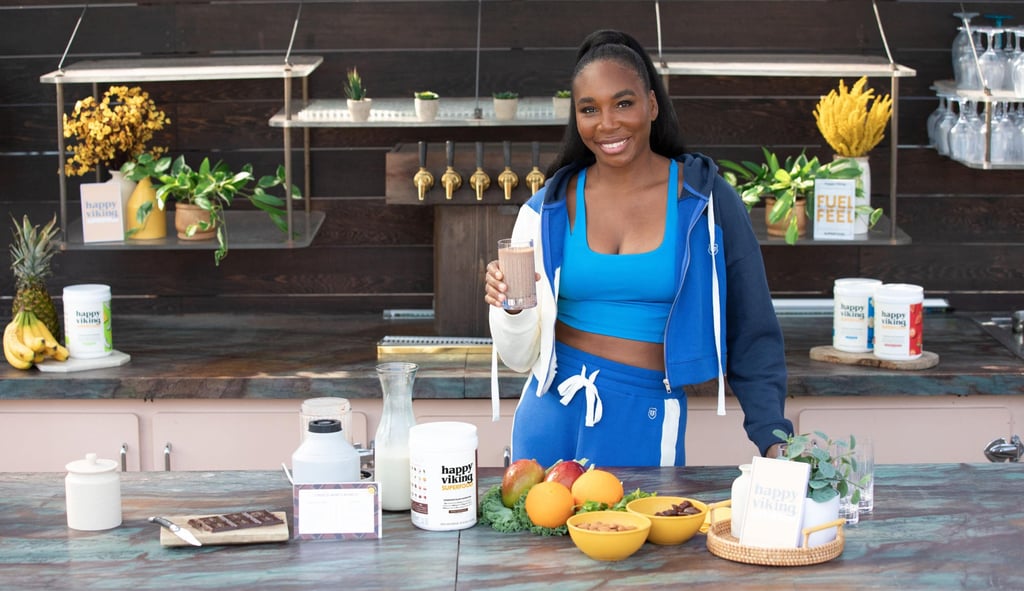
Venus Williams has tapped the sports-meets-wellness space with her Happy Viking brand. Photo: Handout
Kourtney Kardashian’s Lemme follows the Goop playbook but packages it for the Instagram age, offering vegan gummies like Chill, Debloat and Purr (designed to support vaginal flora) that promise feel-good fixes wrapped in pastel purple. As Dametria Kinsley, vice-president of global marketing for Connecticut-based PDC Brands, points out, “The success of Kourtney Kardashian’s Lemme and the surge of life-hack videos promoting healthier living show how deeply wellness resonates today.”
Hailey Bieber’s Rhode Beauty is another example of the trend. While Rhode may seem like a cosmetics brand, Kinsley notes that the company’s success is “rooted in a genuine commitment to wellness backed by science”, with the involvement of cosmetic chemist Ron Robinson. “Whether for skincare or cosmetics, [having] wellness at the core is what truly wins,” she affirms. “Without this scientific foundation, even high-profile brands struggle to build lasting trust.”
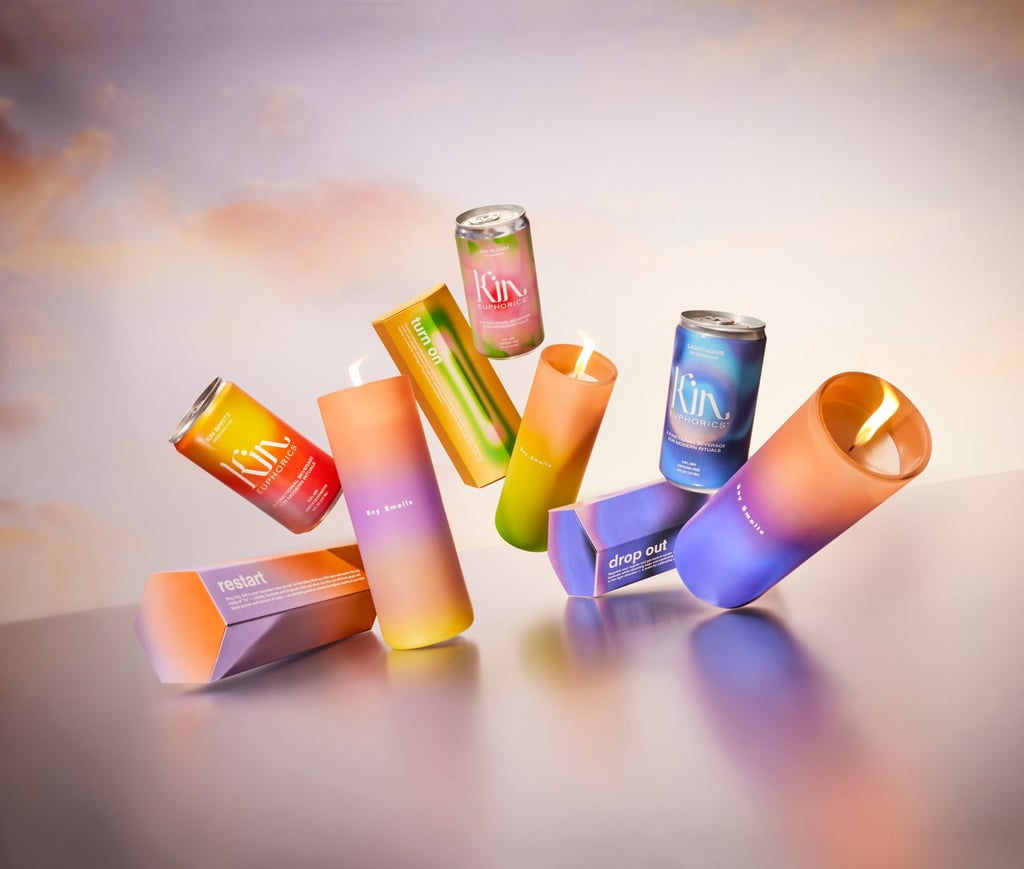
Kin Euphorics is a functional beverage brand by Bella Hadid rooted in Ayurvedic medicine. Photo: Handout
That foundation is something not every celebrity venture manages to find, and without it, even the most glamorous launches can stumble. Kate Moss’ Cosmoss, founded in 2022, had all the makings of a hit: holistic teas, CBD oils and “ritual” face creams wrapped in mystique and heritage. But it struggled to gain momentum, and within three years the brand entered liquidation, showing that even supermodel status doesn’t necessarily translate into a lasting bond with consumers.