What shoes to wear with bunions, and how to beat them: famous names from Amal Clooney to Queen Camilla struggle with them, but these days sufferers have more options than they might think

Daily exercises and wider shoes can help to manage a painful bunion – but if surgery does become necessary, the procedure is easier and less invasive than before
Few things are as humbling as realising the glamorous stilettos you once strutted in now feel like medieval torture devices. The culprit? A decidedly unglamorous one: the bunion. More than just a cosmetic nuisance, it’s a full-on lifestyle negotiation – especially if you’ve ever tried squeezing into shoes that hug your feet a little too enthusiastically.

Part of the challenge is that bunions arrive with little fanfare. One day, it’s a little soreness when you wear your favourite heels; the next, your big toe’s taking a detour sideways. According to aesthetician and pedicurist Jessica Dickson, the issue begins when the big toe shifts out of alignment, creeping toward the others and pushing the joint outward. “Wearing tight shoes squishes the toes together and causes friction on the bone of the big toe joint, making the problem worse,” she explains. “This friction causes the bone to grow because it is trying to protect the joint. This growth on the bone is what we call a bunion,” she adds – and once it’s there, it doesn’t disappear quietly.

Friction and footwear are only part of the story though – sometimes, the real culprit is in your genes. Dickson notes that some people are more prone to bunions because of the natural alignment of their feet. Still, as she points out, “most bunions are caused by wearing tight pointed shoes on a regular basis”, so while genetics might set the stage, years of squeezing into narrow heels definitely doesn’t help. The good news? Catching them early can make a real difference. Early signs, she says, include “a big toe that starts to point in towards the other toes”, and “a small bump [that] starts to form on the bone below the joint”.
For years, bunions meant sacrificing style for beige, bulky shoes that screamed “doctor’s orders”. But then comfort got cool, Birkenstocks got a glow-up, and suddenly, designers started making shoes for real feet, with real style.
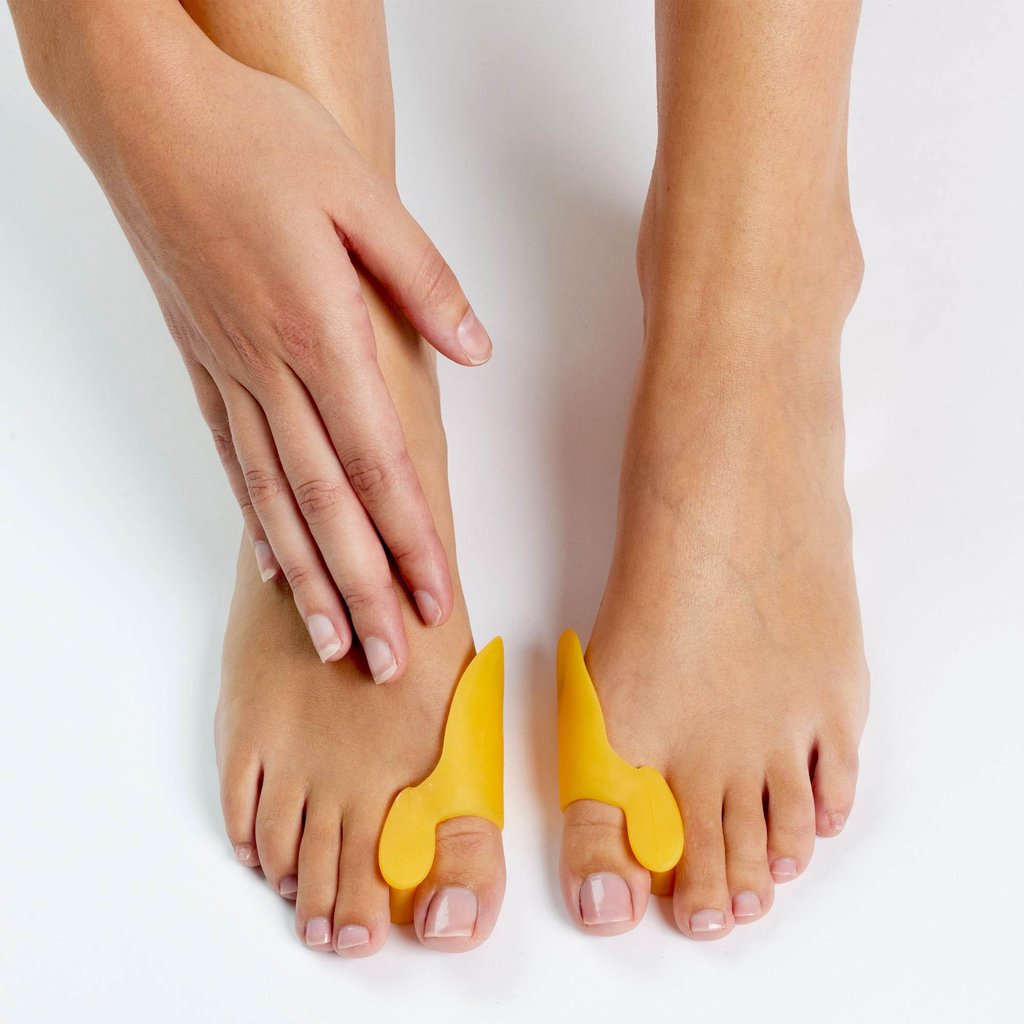
According to Jennifer Bailey, founder of Calla Shoes, a UK brand specialising in footwear for bunions and wide feet, comfort doesn’t have to look clinical. She knows the struggle first-hand.
“In general, the biggest misconception is that if you have bunions, you’re stuck with frumpy, orthopaedic-looking shoes and have to give up on heels or anything fashionable. That’s simply not true,” she explains. That’s why her brand flips the usual design process. “Instead of starting with an orthopaedic shoe and trying to make it look stylish, I start with current fashion trends and adapt them to be bunion-friendly. That’s a big part of what makes our shoes different.”