Advertisement
How attitudes towards mental health and treatment have evolved from stigma to support
On World Mental Health Day, Anthea Rowan considers the ways treatments and attitudes have changed in the last half a century
4-MIN READ4-MIN
Listen

Nobody talked about mental health when my mother was diagnosed with depression in the 1970s.
“What’s she got to be depressed about?” people asked.
Today, there is no need for a reason. We now understand that depression – indeed any mental health disorder – can happen for no reason, and it can happen to anyone of any background, education, creed or colour.
Advertisement
My daughter battles with OCD, or obsessive-compulsive disorder. Her pain has been no less than that of someone who struggled with the same disorder a generation or two ago.
Her journey has probably been made a little easier because we are talking about mental health and OCD; more people understand it, and there are more and better treatment options.
Advertisement
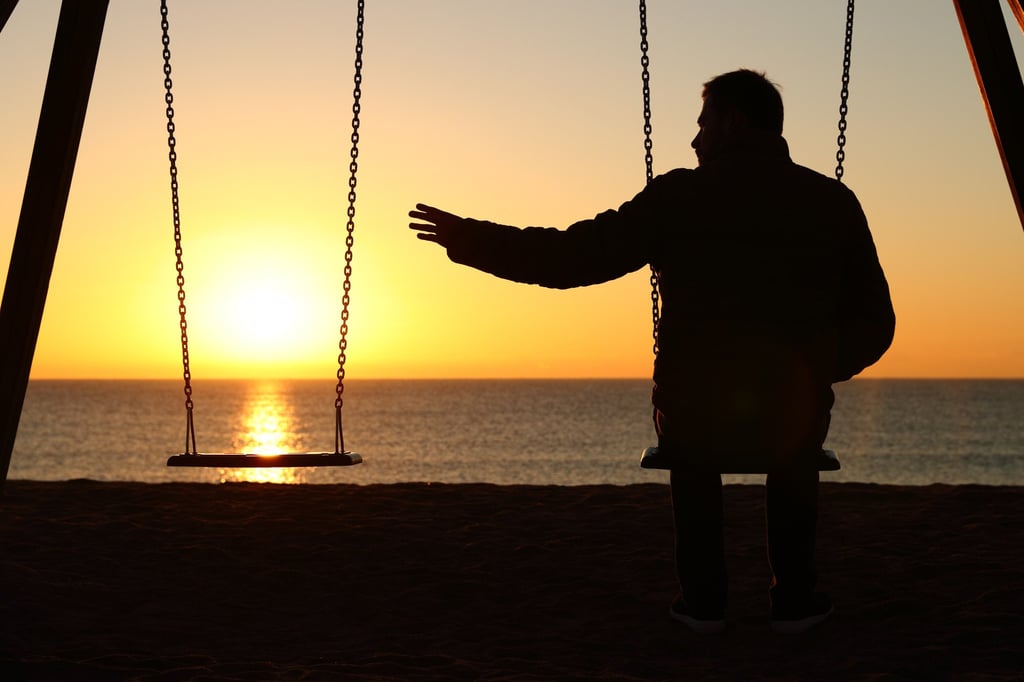
In mum’s case, the whispering behind closed doors must have made her experience even harder than it had to be, and much more isolating.
Advertisement
Select Voice
Select Speed
1.00x