Advertisement
Wellness
LifestyleHealth & Wellness

How doctor battled breast cancer then menopause, and found love along the way

Menopause expert Lisa Larkin talks about lifestyle changes and drugs to help with menopausal symptoms, and how good things can always happen

Reading Time:4 minutes
Why you can trust SCMP
Lisa Larkin with her husband Arthur Pancioli. The pair met when Larkin was in hospital in New York, waiting for her first round of chemotherapy for breast cancer. Photo: Dr Lisa Larkin
Tara Loader Wilkinson

Ahead of her 50th birthday, American internist Dr Lisa Larkin, an expert in menopause management, had been doing all the right things to live a long and healthy life, including having regular mammograms.

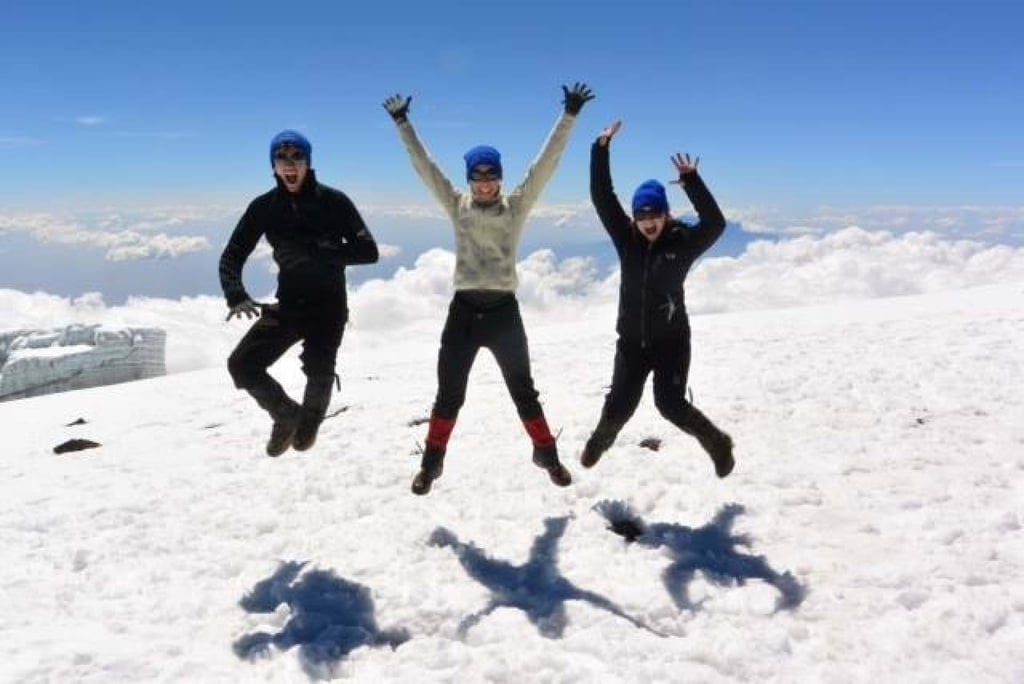
Her most recent routine scan had turned up nothing untoward. Given the all-clear, she went off on a camping trip with her children to climb Mount Kilimanjaro in Tanzania, Africa’s highest peak.

It was on this trip in late 2013 that she felt a large mass in her breast.
Advertisement
The routine mammogram had not picked up the cancer because Larkin had very dense breasts; as many as 40 to 50 per cent of women have them.
Larkin and her children celebrate climbing Mount Kilimanjaro in 2013. But it was on this trip that she first felt a large mass in her breast. Photo: Facebook/UCHealthCincinnati

Breasts are made up of two types of tissue: glandular tissue and fatty tissue. If your tissue is more glandular than fatty, you have dense breasts.

Advertisement

On a mammogram, dense tissue appears white when compared to fatty tissue. Abnormal growths also tend to be dense and white, so imaging of dense tissue does not always show a potentially cancerous lump.

Advertisement
Select Voice
Choose your listening speed
Get through articles 2x faster
1.25x
250 WPM
Slow
Average
Fast
1.25x