Advertisement
How high or low blood pressure increases the risk of dementia, and why it’s never too late, or early, to adopt a healthy lifestyle to manage it
- High blood pressure damages the vessels carrying blood to and around the brain; low blood pressure starves the brain of fresh blood and oxygen
- Studies have linked both conditions to a higher risk of dementia. The good news is that adopting a healthy lifestyle will help regulate your blood pressure
4-MIN READ4-MIN

This is the fourth instalment in a series on dementia, including the research into its causes and treatment, advice for carers, and stories of hope.
As my doctor approaches me with his blood pressure monitor, I tell him that I suffer with white-coat syndrome – or rather, white-coat hypertension: my anxiety levels and blood pressure rise as soon as I walk into his clinic.
Sure enough, cuff tight about my arm, my heart pounding, the machine beeping, it gives a reading higher than it should be: 140/90, diagnosed as hypertensive Stage 2.
“I promise you, it’s not normally that high!” I bleat.
My doctor is sceptical and insists on a 24-hour continuous reading. I go home strapped to a mini mobile unit to keep an eye on the numbers overnight: systolic and diastolic.
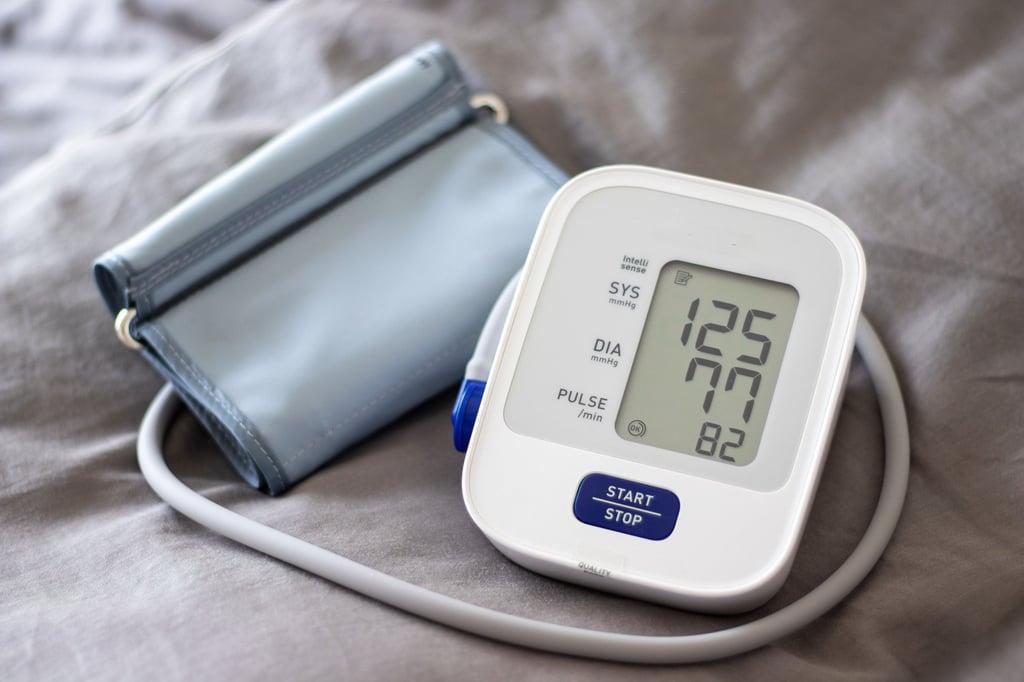
Systolic (the first number) – indicates how much pressure your blood is exerting against your artery walls when your heart beats.
Advertisement
Select Voice
Select Speed
1.00x