How fermentation is transforming Hong Kong’s fine dining scene
At Feuille, Amber, Roganic and Cristal Room by Anne-Sophie Pic, chefs are using ancient microbial science to elevate flavours and reduce waste

Fermentation is nearly as old as human civilisation. Archaeological evidence has revealed traces of fermented grains on 13,000-year-old stone mortars in northern Israel, while closer to home there is evidence that the Shangshan culture made beer from rice nearly 9,000 years ago.
Until recently, fermentation was used to produce relatively humble foodstuffs – soy sauce, miso, milk, kimchi, cheese and others. That all changed with the rise of Noma, which, among many other innovations, substituted animal fats and stocks for living ferments. The acclaim heaped on Noma – named best restaurant in the world in 2010 – meant Nordic-style lacto-fermentation became emblematic of the cutting edge of cooking.
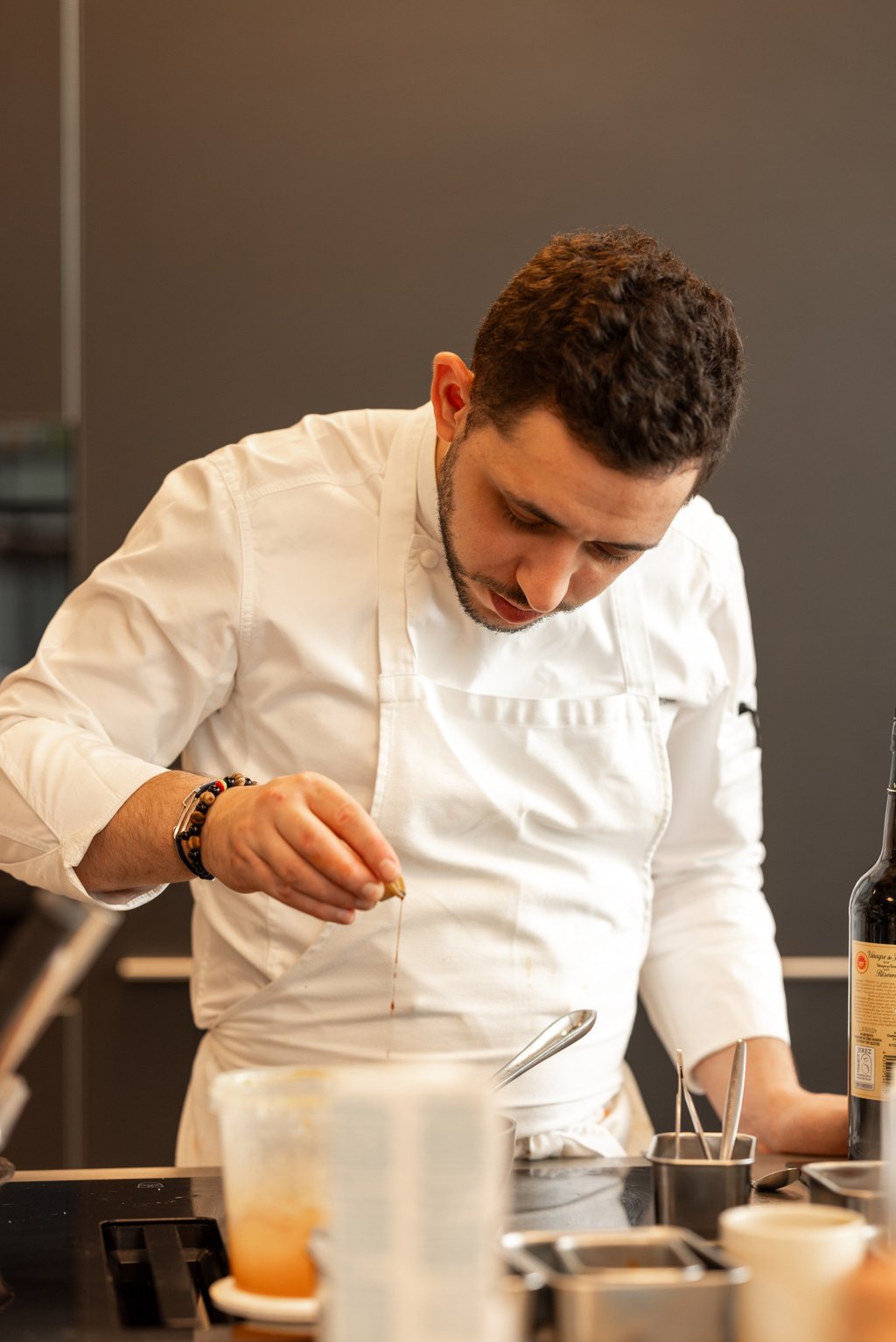
For instance, kombucha, with its bright, vinegary tang, serves as the base for delicate poaching liquids and vinaigrettes. Deep misos are further aged with local honey and citrus zest, while Korean cheong (fermented fruit syrup) adds a complex sweetness to balance rich proteins.