Advertisement
Opinion
How will Hong Kong’s electoral system reform play out?
- With so much power concentrated in the hands of a small number of gatekeepers, will there be meaningful competition in the chief executive election?
- Even if pro-democracy candidates are able to overcome the tough entry hurdles, will any be willing to take part in the new-style legislative elections?
4-MIN READ4-MIN
19

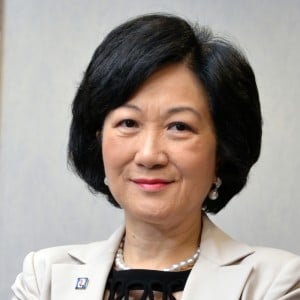
Regina Ip Lau Suk-yee is convenor of the Executive Council and chairwoman of the New People’s Party.
In Hong Kong’s Legislative Council, “renewed” by the departure of 19 pro-democracy lawmakers following the National People’s Congress Standing Committee’s decision on the removal of Legco members last November, the legislative process has moved forward at a much brisker pace that was undreamed of for years.
The legislature passed a record seven bills, including the budget, in one day on April 28. The committee set up to study over 600 pages of complex amendments to electoral rules completed its task after 37 hours of work spread over 12 meetings.
Before the exit of the pro-democracy legislators, such progress would have been unthinkable. They would have resorted to strong-arm tactics to prevent politically unacceptable legislation from inching forward, as they did in 2019 to obstruct the passage of the fugitive offenders bill. The pan-dems blocked access to the chamber so that meetings could not even be held.
While supporters welcome the sea change as a return to colonial-era civility and efficiency, frontline reporters are quietly disappointed at the lack of drama and high-decibel opposition.
Select Voice
Select Speed
1x
AI-generated voice