What’s behind HSBC’s privatisation of Hang Seng Bank? Drive for efficiency, analysts say
The privatisation will lead to synergies, save costs and improve efficiency in terms of personnel and systems, Everbright’s Kenny Ng says

HSBC Holdings’ plan to take its Hang Seng Bank subsidiary private marked a key step in the UK lender’s strategic overhaul, with Hong Kong’s troubled property market potentially aiding the move, according to analysts.
The proposal on Thursday was “many months” in the making and had “nothing to do with the bad-debt situation” at Hang Seng Bank, HSBC group CEO Georges Elhedery said during a media round table in Hong Kong after the announcement. HSBC currently owns about 63 per cent of the city’s largest domestic bank.
Elhedery, who has heralded a sweeping business reorganisation since becoming CEO in September 2024, characterised the latest move as “an investment for growth” – both for HSBC and Hong Kong’s economy.
“This proposal is very aligned to everything we have said for the last 12 months in terms of customer segments,” Elhedery said. “Hang Seng is a leading local bank; HSBC is a leading international bank operating in Hong Kong. We expect them both to cover the whole market, so customers can choose between the two, or bank with both.”
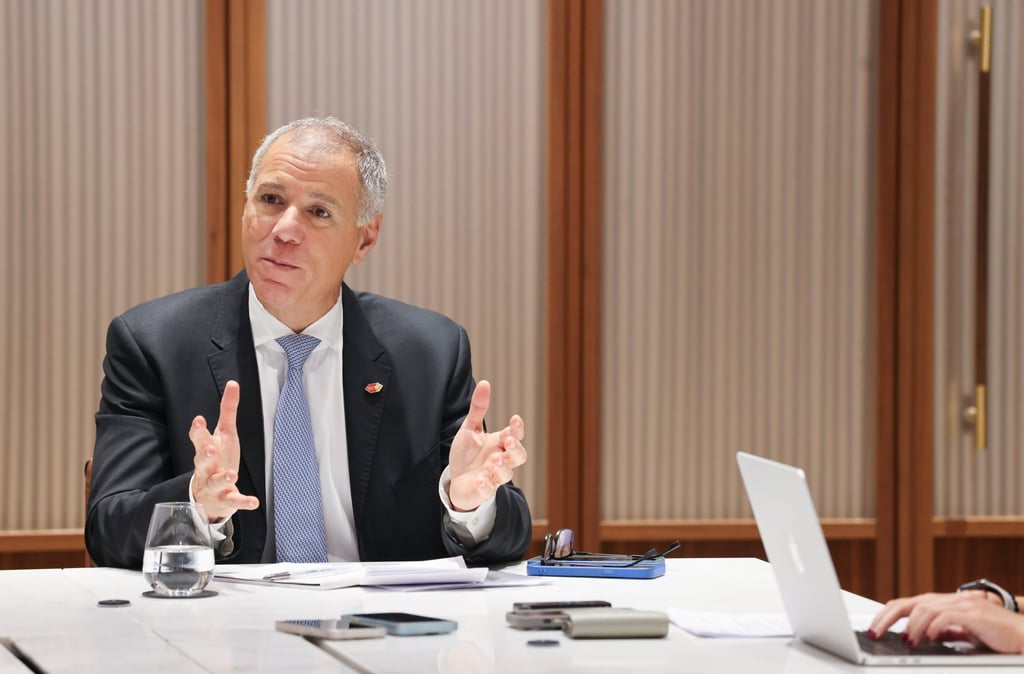
The deal would be accretive as HSBC gains full access to Hang Seng Bank’s earnings, rather than deducting the non-controlling interest, according to Elhedery. Additional upside was expected from revenue and cost synergies through expanded product offerings, a stronger international network and the consolidation of capabilities in areas such as insurance, asset management, markets and technology, he added.