Philippines ramps up protection of undersea cables amid growing ‘grey-zone’ threats
The moves will help strengthen regional stability and prevent Indo-Pacific connectivity from being quietly weaponised, analysts say

Officials and analysts say the moves signal that so-called grey-zone activities – coercive actions that fall short of open conflict – beneath the sea are no longer going unnoticed. The concern is not only physical damage to submarine cables but also the strategic leverage that deniable disruption could create during a crisis.
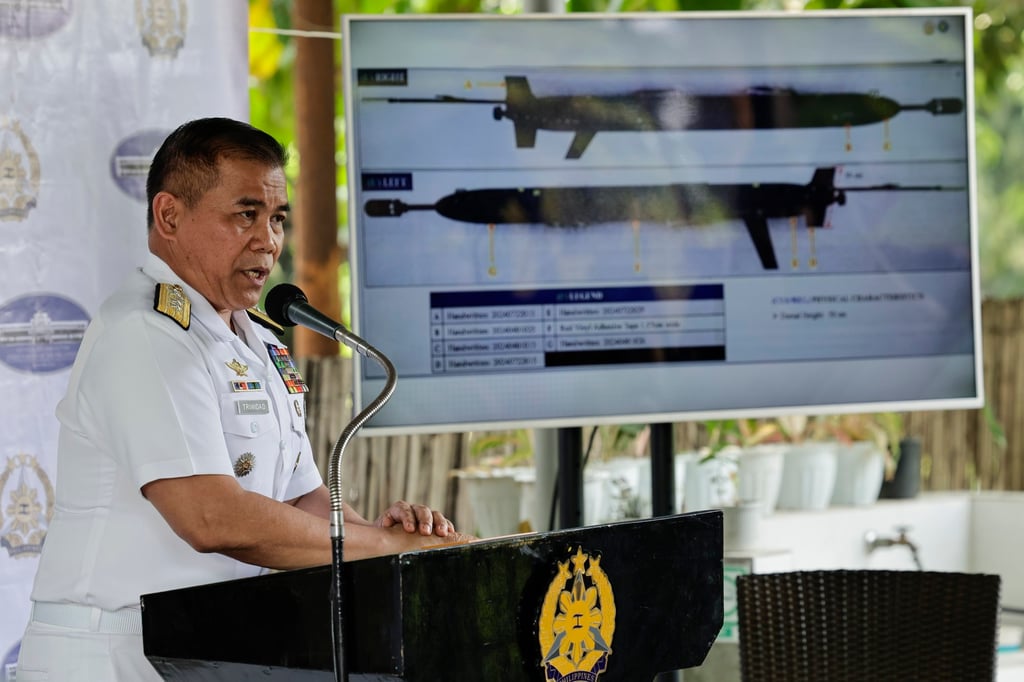
Rear Admiral Roy Vincent Trinidad, the Philippine Navy’s spokesman for the West Philippine Sea, said the responsibility for protecting subsea infrastructure would fall under the navy’s purview.
Speaking to Defence News on January 5, Trinidad said the navy was exploring ways to monitor undersea cables, although specific capabilities had not been disclosed.
The surveillance would involve capturing detailed imagery of underwater terrain to establish seabed profiles and track environmental changes over time, he said.
“That would give us further reasons to focus on specific areas. It is still in the exploratory stages, but we have been conducting exercises on this with other navies, especially with our defence treaty ally, the United States,” Trinidad said.