Indefinite detention: how a human rights triumph became a battle over Australia’s borders
- Indefinite detention of migrants had become a political tool over the years, analysts say, and a ‘vehicle for delivery of immense cruelty’
- The High Court’s ruling that such detention was unlawful has led the government and opposition to fight over who is tougher on border control

Decried as a breach of international human rights and a stain on Australian democracy, advocacy groups have for years tried to make successive governments dismantle the policy, which according to the nonprofit Global Detention Project also allowed children to be detained.
For two decades, the Australian government had, on national security grounds, been able to detain illegal arrivals to the country for the rest of their lives. On November 8, the High Court unanimously ruled that the government could no longer do so, in what was described as a constitutional watershed moment by the Australia-based Human Rights Law Centre.
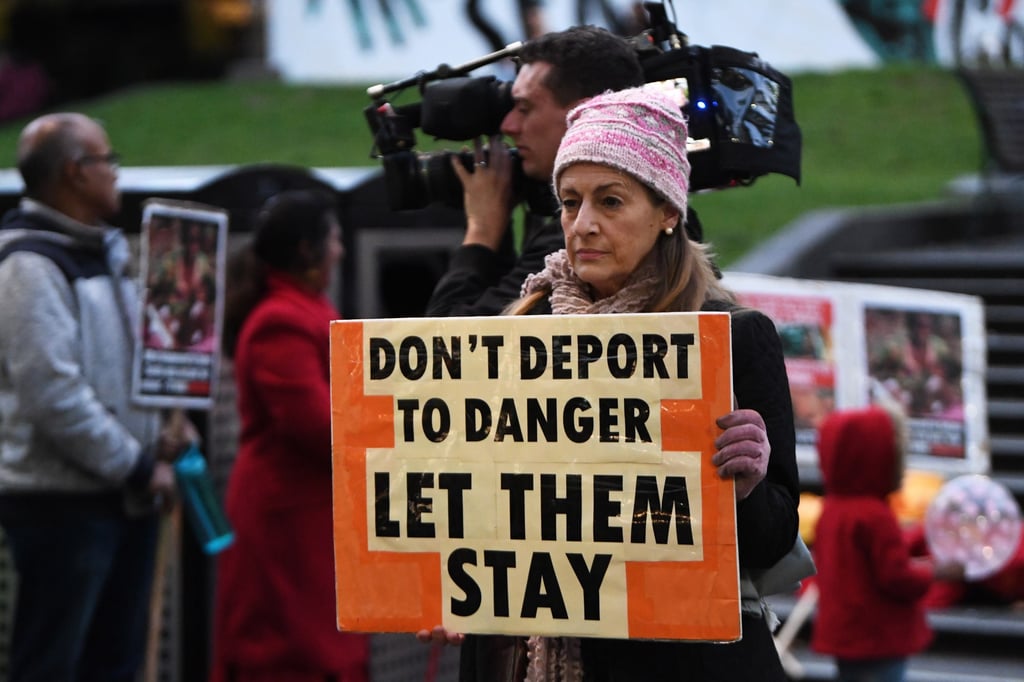
Australian courts had previously allowed the government to briefly detain non-citizens before deporting them or issuing them with visas, ruling that Australia has a right to protect its sovereignty, while refugees also have the right to seek asylum.
“Over time, the use of detention strayed well away from its original purpose and came to serve as a proxy for other agendas, such as the deterrence of maritime asylum seekers and incarceration of non-citizens with an adverse security assessment,” Peter Hughes, a fellow at the Centre for Policy Development who previously worked for the immigration department, said in an analysis. “It has become a political tool … and a vehicle for delivery of immense cruelty.”