Death penalty easing a step towards ‘new Malaysia’ but worry over free pass for criminals remains
- Malaysia’s move has raised hopes other Southeast Asian countries can follow suit
- Reform reflects changing attitudes in Malaysia since 2010, with advocates saying good government reflects a duty to protect and improve lives rather than punish

Rizalni Mohamad, 46, missed his mother’s death – and has been unable to see his ailing father – while waiting out 17 long years on death row in Malaysia’s Perlis prison over a conviction for trafficking cannabis.
“Everyone inside the prison was very happy,” said his sister Hayati Mohamad, 42, after breaking the news to Rizalni.
Judges can still order the death penalty but the revision culls the “mandatory” death clause from sentencing rules, meaning more than 1,300 people in jail can ask for judicial review of their cases, or have hope of a commutation of sentences to 30-40 years’ imprisonment instead.
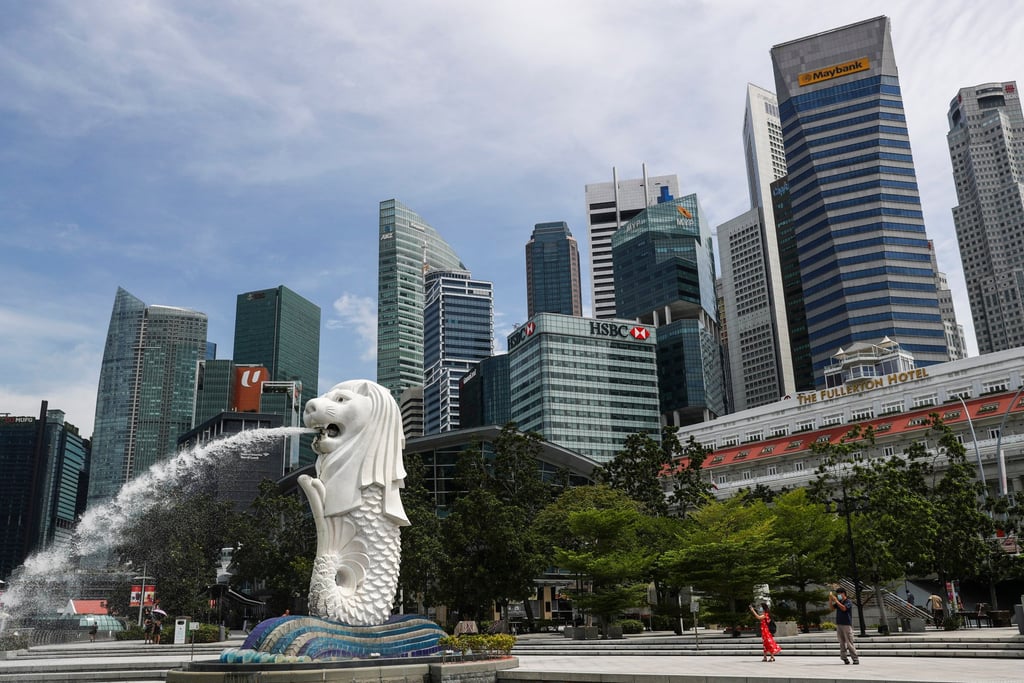
Until the move, Malaysia, alongside neighbouring Singapore, had some of the world’s harshest penalties for drug trafficking.
Amnesty International, which closely monitored the death penalty in Malaysia, reported that more than 120 prisoners were hanged for drug offences from 1983 to 1992, with an average of 15 to 16 executions per year between 1980 and 1996. A moratorium on executions has been in place since 2018.