OpinionBlinding the world with lies makes peacemaking an impossible task
From Iran to the Horn of Africa, disinformation is killing diplomacy. Mediators need facts, not state-sponsored fictions

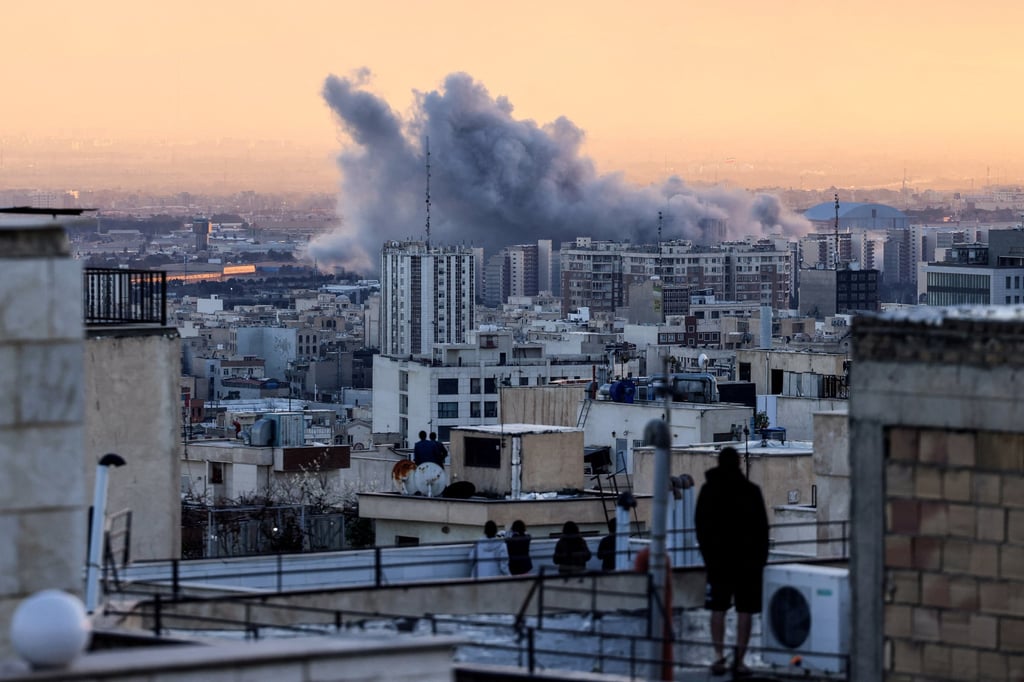
The fog of war is getting thicker. The world is beset by conflicts, yet we are increasingly in the dark regarding their causes. Without this understanding, we lack the insight necessary to resolve them.
Understanding conflict is a basic tool of mediation. It helps us define who the main actors are, the context in which they operate and the positions they hold. These data points are vital precursors to resolving conflict through mediation, of any kind.
Yet in today’s world, the basic information we once relied upon is often either missing entirely – withheld by states pursuing their own agendas – or grossly distorted by modern tools of manipulation and disinformation. This partly reflects the growing complexity of conflict and the higher stakes involved, which makes the fog of war convenient for those who benefit from obscuring the truth.
Peacemaking is exceptionally challenging in an information vacuum. As a reporter turned professional conflict mediator, I find it hard to imagine how conflicts can be settled and peace negotiated if we are flying blind. Mediators need to understand how others see the same situation differently. Distorted or exaggerated claims are the enemy of trust and make it hard to shape credible negotiating positions.
Part of the problem is that many of the world’s conflicts have grown far more complex and difficult to analyse. Local conflicts that stem from specific factors – such as competition over resources or displacement – are today far more susceptible to outside interference. Local actors become proxies for external forces that import entirely different agendas such as strategic competition. The line between local and external causality becomes almost impossible to distinguish, particularly when the same actors are allies in one theatre and adversaries in another.