Asian AngleWhy Malaysia’s fuel subsidy reform is stuck in the slow lane
Fears of a 2008-style backlash and poor public transport are keeping Anwar’s government from slashing the huge, regressive fuel subsidy bill

Today, subsidised fuel remains available to the masses, while only the “ultra-rich” and foreigners will face higher costs. This retreat reflects the political and practical challenges of reforming a system deeply embedded in Malaysian society.
Fuel subsidies have long been an economic conundrum for Malaysia. They ease financial burdens on households, stabilise prices and serve as a form of social protection. Yet their regressive nature disproportionately benefits wealthier citizens with higher fuel consumption, while draining government coffers and neglecting sustainability concerns.
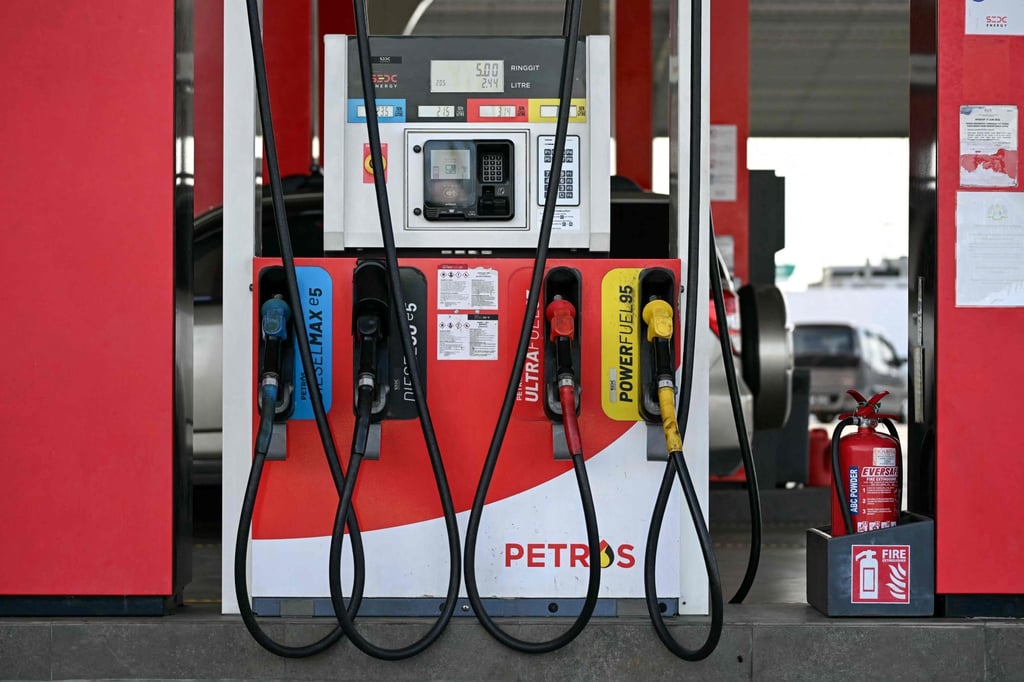
The environmental and health costs of fossil fuels have led many nations to reduce or eliminate subsidies, but Malaysia has struggled to follow suit. The challenge is compounded by widespread car and motorcycle ownership, inadequate public transport and public resistance to higher fuel prices.
Malaysians enjoy among the cheapest fossil fuels worldwide. In August, the country ranked 10th globally for the cheapest petrol, at just 48 US cents per litre – well below the global average of US$1.30. The price of RON95 petrol has been fixed at 2.05 ringgit since February 2021, while diesel prices are also among the region’s lowest. With 17.2 million cars and 16.8 million motorcycles on Malaysia’s roads, and only 20 per cent of the population relying on public transport, fuel subsidies are both entrenched and politically sensitive. Reform, though urgent, has proven elusive.