OpinionHow longer-range US missiles can change the Russia-Ukraine war’s complexion
The Army Tactical Missile System will allow Ukraine to conduct deep strikes on Russian territory and limit Moscow’s operational reach

Joe Biden’s outgoing administration has authorised Ukraine to use US-supplied longer-range missiles to strike deeper into Russia territory, according to reports citing White House officials.
The move comes amid concern in the West that Moscow – aided by the influx of thousands of North Korean fighters – might be preparing a major counteroffensive to regain lost territory in the Kursk region of Russia.
But how big a deal is the Biden decision? And could it change the trajectory of the conflict in Eastern Europe? Benjamin Jensen, a professor at American University and the Marine Corps University School of Advanced Warfighting, explains.
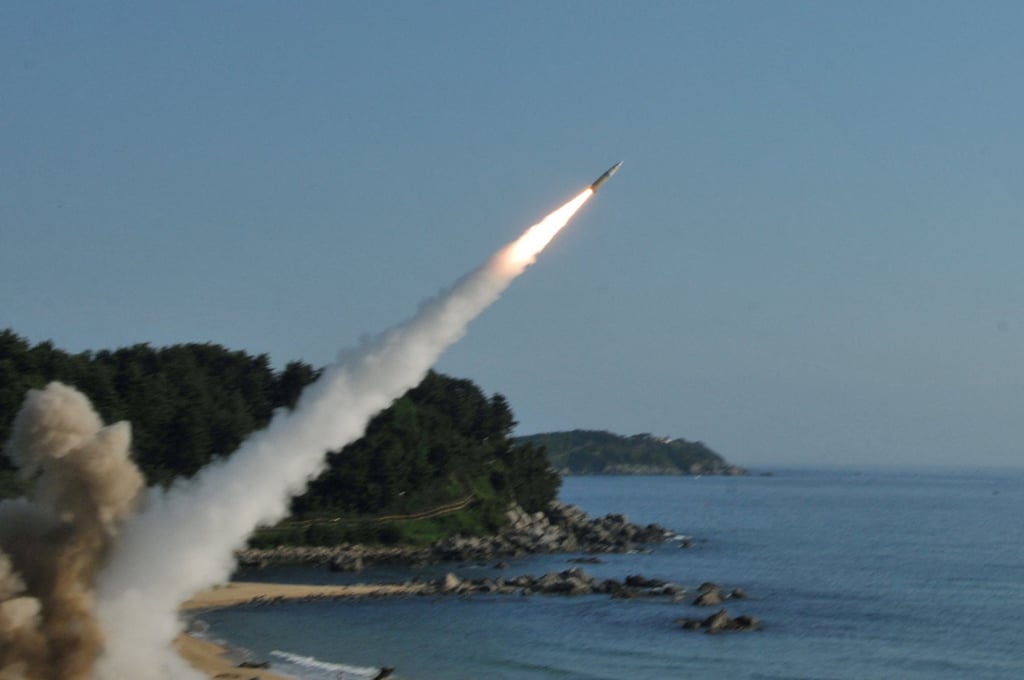
What are the missiles involved?
The Army Tactical Missile System, or ATACMS, are short-range ballistic missiles that can travel a lot farther than the weapons previously at Kyiv’s disposal.
We aren’t talking about new technology. ATACMS have been around as a concept since the late 1970s and 1980s, and first came into production towards the end of the Reagan era, around 1986. By the mid-1990s they were in service, being first deployed by the US in 1991 as part of Operation Desert Storm.