Asian AngleWhy Vietnam faces an uphill battle in its war against plastic waste
- Vietnam’s Communist Party has made dealing with plastic waste a ‘prioritised mission’, but its green policies could yet prove unenforceable
- There’s a pressing need for more incentives, not just punishments – and enhanced cooperation within Asean on the issue

Not only does this exacerbate Vietnam’s environmental challenges, but it also casts a shadow over its international reputation as the nation has pledged robust commitments to sustainable dvelopment and the green transition.
The Communist Party of Vietnam has sought to deal with plastic waste as a “prioritised mission”, as specified in its highest-level policy documents. Former Prime Minister Nguyen Xuan Phuc also started a national campaign against plastic waste, employing a narrative often reserved for the country’s most important political missions.
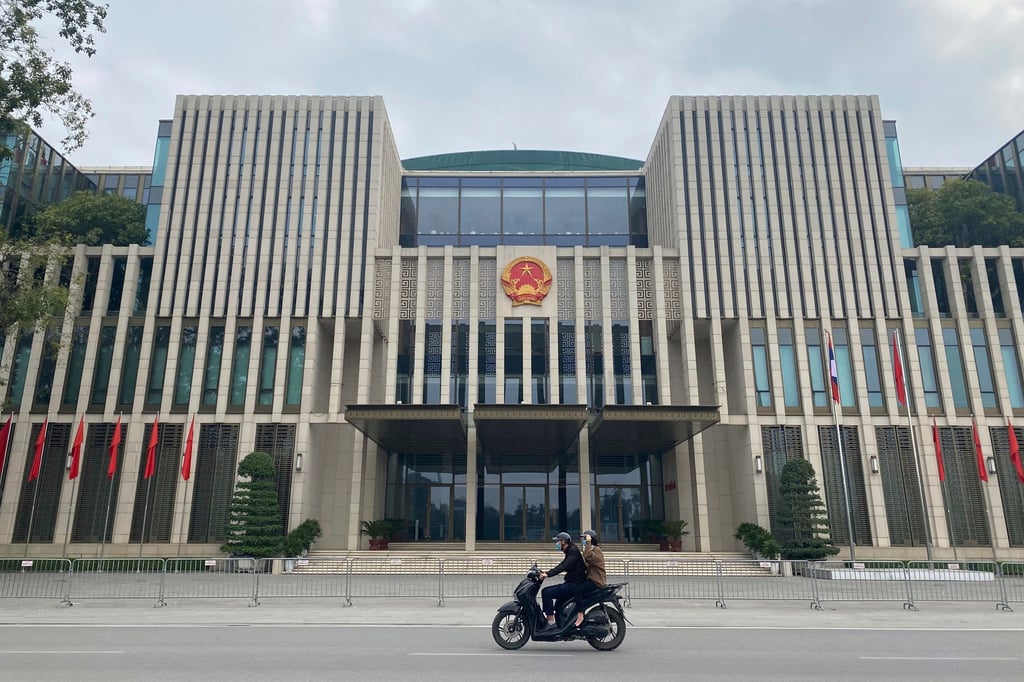
Addressing plastic waste in Vietnam involves navigating complex challenges across three primary sources: industrial production, household consumption, and imported plastic scrap. Each demands tailored policy solutions and presents different challenges.
After the amended Environmental Protection Law came into effect last year, Vietnam became one of the first Southeast Asian countries to enforce an extended producer responsibility (EPR) policy. This regulation requires producers and importers to manage their products’ full life cycle, either through recycling or contributing to Vietnam’s Environmental Protection Fund. By January, EPR is set to apply to tyres, batteries, motor oil, and products using plastic bags, extending to electronics in 2025 and vehicles in 2027.