Advertisement
Asean
This Week in AsiaOpinion

Asian AngleCan Southeast Asia prioritise climate over politics to bridge the financing gap?

  • The region requires US$210 billion annually through 2030 for climate infrastructure investment, the Asian Development Bank estimates
  • Much of the investment needed stems from the cost of transitioning away from carbon-intensive industries, investing in renewable energy

4-MIN READ4-MIN
Buildings shrouded in smog in Jakarta. Southeast Asia, according to one estimate by the Asian Development Bank, requires US$210 billion annually through 2030 for climate infrastructure investment. Photo: Bloomberg
Vinod Thomas
In the run-up to the 28th Conference of the Parties (COP28) on climate change, Southeast Asia is in the spotlight not only as a hotspot for climate impacts but also for the urgency to take climate action. Policymakers in the region see the imperative for climate mitigation and adaptation but underscore the inadequacy of climate finance as an impediment.
The region, according to an estimate by the Asian Development Bank, requires US$210 billion annually through 2030 for climate-infrastructure investment. That amounts to 12 per cent of the US$1.8 trillion of sustainable-infrastructure investment needed annually through 2030 for emerging economies (excluding China), as estimated by an independent panel for this year’s G20 meetings.

A significant proportion of the investment needed stems from the cost of transitioning away from carbon-intensive industries, investing in renewable energy, and improving energy efficiency. Additionally, protecting forests and adopting sustainable land-use practices are vital for carbon sequestration.
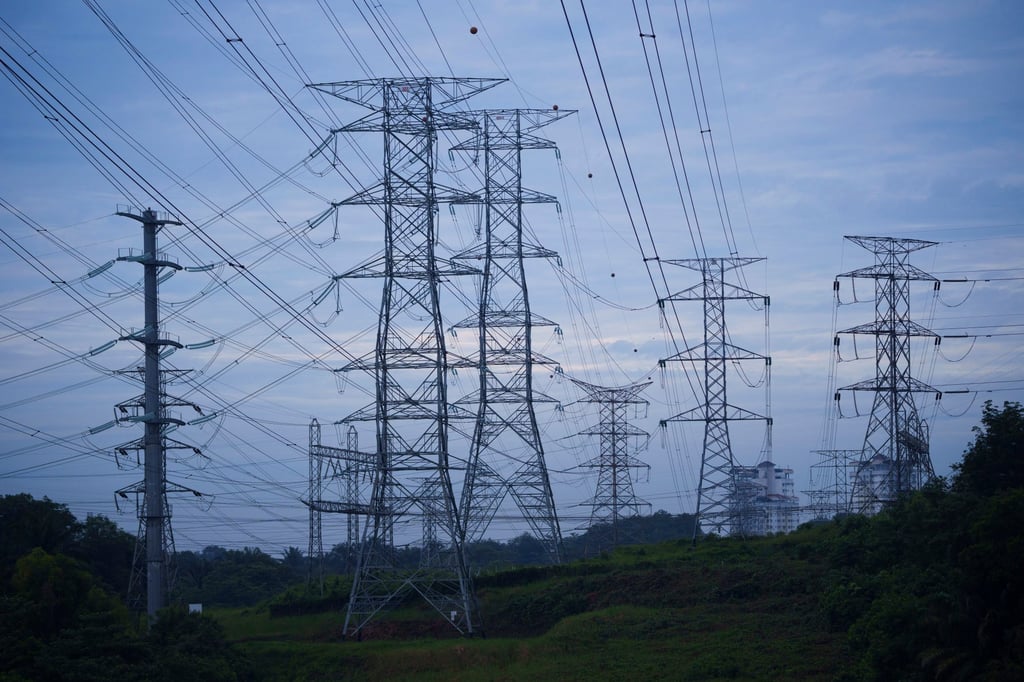
Transmission lines are seen near a power plant on the outskirts of Kuala Lumpur. Photo: AP

Adaptation measures are also needed, including strengthening transport and energy infrastructure to withstand extreme weather, finding drought-resistant crop varieties, and activating early warning systems for natural disasters.

The amount of climate investment needed translates to roughly 4 or 5 per cent of the gross domestic product of all emerging economies, including those in Southeast Asia. Analysis suggests that two-thirds of that US$1.8 trillion figure, or US$1.2 trillion, will have to be raised domestically.

Select Voice
Select Speed
1x
AI-generated voice