Advertisement
Asian AngleCentral Asia and Gulf states are key battlegrounds in China’s cyberspace bid
- Beijing sees cyberspace as a strategic battlefield in the evolution of US-China rivalry, with both Central Asia and the Gulf important arenas
- China has for decades tried to establish international digital-governance norms and standards that align with its own values and vision of cyberspace
4-MIN READ4-MIN
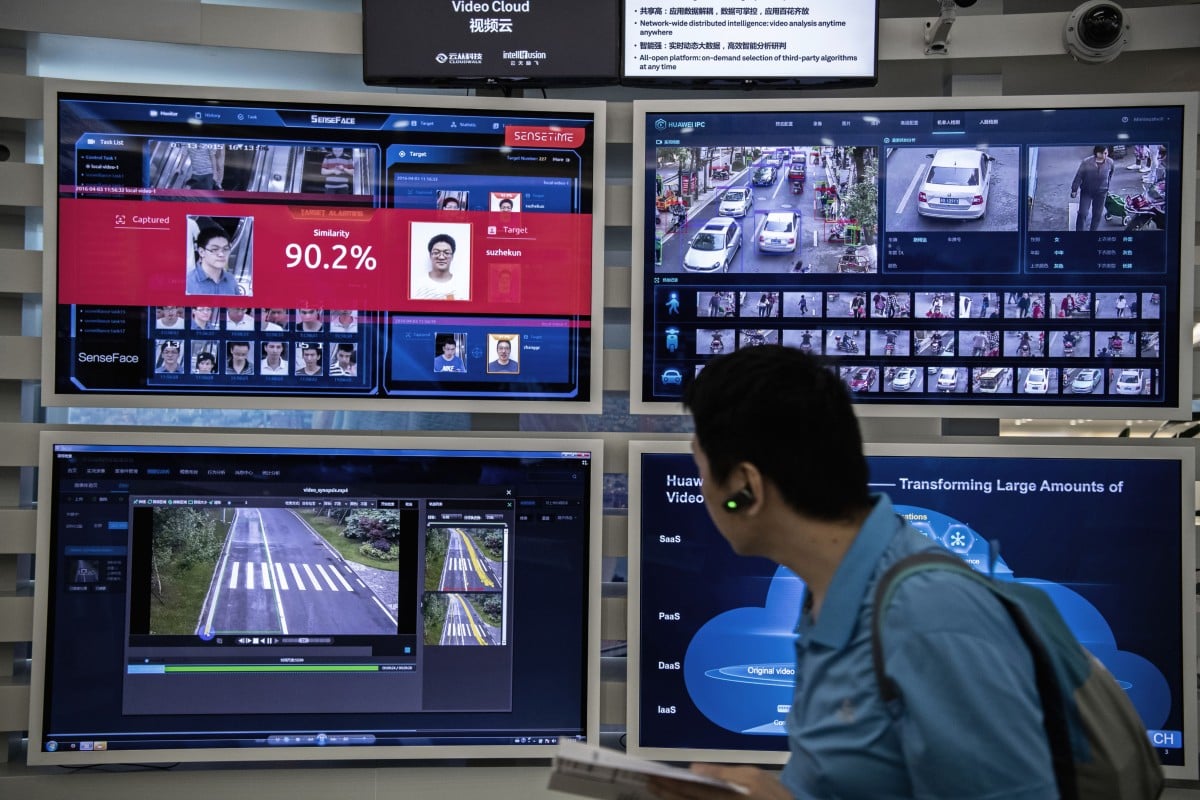
Despite coping with several negative economic factors, including the coronavirus pandemic, Russia’s invasion of Ukraine and rising oil prices, the economies of Central Asia and the Gulf states are both forecast for growth – in part due to advanced Chinese technologies.
The European Bank for Reconstruction and Development expects Central Asia’s gross domestic product to grow by 4.9 per cent in 2023. Rising oil prices are also breathing new life into Gulf monarchies’ post-oil economy development drive, with the International Monetary Fund predicting regional growth. The IMF forecasts that the United Arab Emirates will be the fastest growing Gulf economy this year at 4.2 per cent, just ahead of Oman at 4.1 per cent, and Saudi Arabia’s 3.7 per cent.
In both regions, economic development is mainly anchored on Made in China technologies. Washington’s call to remove all civilian and military networks from Beijing’s digital embrace resonates in the Middle East, but its echo is lost in Central Asia.
Since the 1990s, Beijing has openly stated cyberspace is a strategic battlefield in the evolution of the US-China balance of power, and both Central Asia and the Gulf are decisive arenas in that battle.
Select Voice
Select Speed
1x
AI-generated voice