As I see itFifa 2022 World Cup deaths in Qatar: the ugly side of the beautiful game
- Thousands of migrant workers from nations such as India and Sri Lanka have died building infrastructure for the football tournament hosted by Qatar
- Can we in good conscience enjoy a spectacle played in stadiums that have cost people their lives?

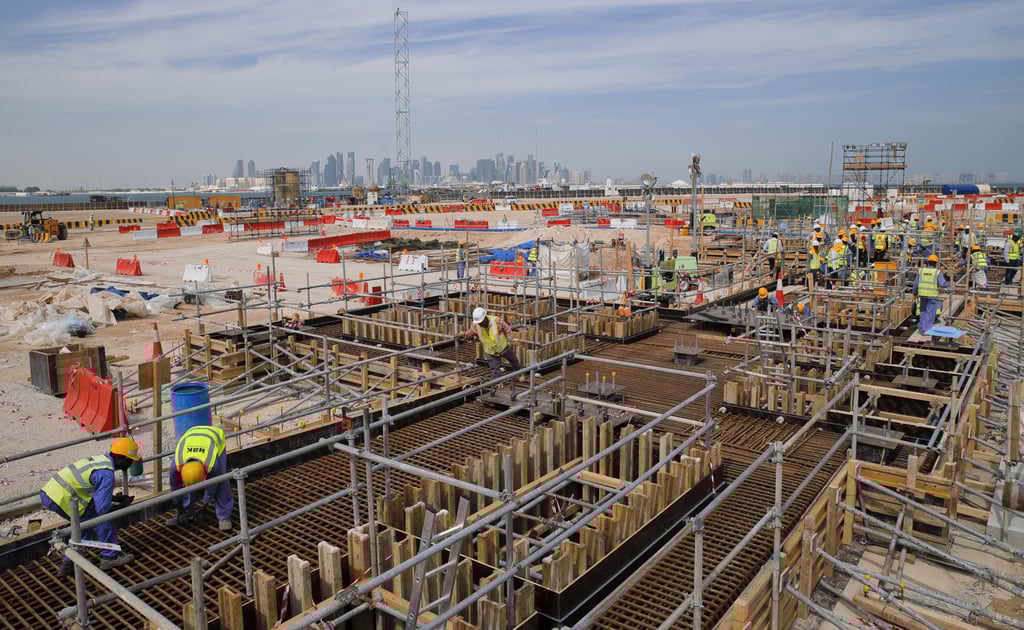
In February, reports emerged that more than 6,500 migrant workers from India, Bangladesh, Nepal, Pakistan and Sri Lanka had died in the Middle East nation since 2011, when it won the right to host the tournament. A significant proportion of those who died were involved in Doha’s US$200 billion World Cup-related infrastructure drive, according to The Guardian.
The number of deaths is definitely higher, as it does not include workers from countries such as the Philippines. They died from heatstroke and exhaustion and suicide, thousands of kilometres from their families, their final hours defined only by uncertainty thanks to the paucity and opacity of official records.
So how do we simply watch games of football when thousands have died? Can we in good conscience enjoy a spectacle played in stadiums people have given their lives to build? Should the tournament be boycotted or moved?
The true tragedy, perhaps, is that there is nothing new about what happened in Qatar – not the addiction to infrastructure, nor its human cost. The 1990 World Cup in Italy saw a glut of construction and renovation for stadiums that were still being paid for decades later. The heady mix of corruption and profligate spending was as evident then as it was in the run-up to Brazil in 2014, when the US$14 billion cost of staging the tournament sparked large-scale protests in one of the most football-obsessed nations on earth.
The most recent World Cup, Russia 2018, was also not short of controversy. Moscow had annexed Crimea four years before, leading to calls for the tournament to be moved. The clamour only grew after Malaysia Airlines Flight 17 was shot down by a Russian missile over eastern Ukraine. And that’s before we get to the racism that permeates Russian football, or the brutal crackdowns and criminalisation of the country’s LGBT community.