Advertisement
OpinionIn Indonesia’s elections, identity politics almost trumped the economy
- In some areas, incumbent president Joko Widodo struggled to win votes despite high approval ratings and economic growth
- The reason for this disparity boils down to disinformation campaigns and increasing polarisation, says Yohanes Sulaiman
4-MIN READ4-MIN

Unofficial results from last week’s election show Indonesian President Joko Widodo comfortably cruising to re-election with 55 per cent of the vote.
While the “quick counts” from independent pollsters point to Widodo, popularly known as Jokowi, and his running mate Ma’ruf Amin winning the popular vote in 20 out of 34 provinces, their poor performance in several of the other 14 is surprising.
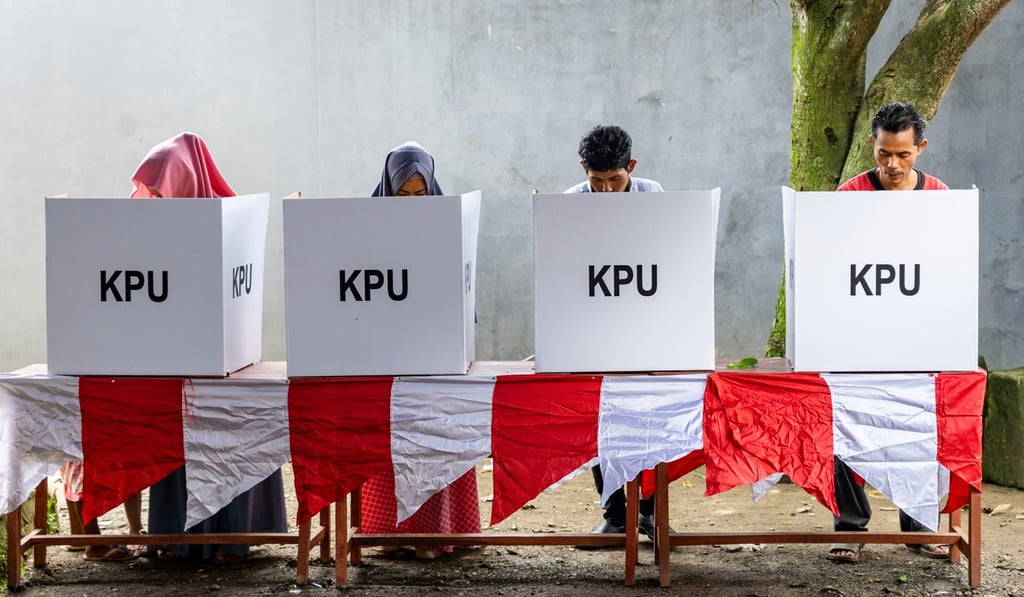
Credible survey organisations such as Charta Politika and Indo Barometer put Jokowi’s approval ratings in those provinces in the 65 per cent range, but it was his opponents – former general Prabowo Subianto and Sandiaga Uno – who received more votes.
This was a reflection of how identity politics played a part in the election on April 17. While Indonesia’s population of 265 million is ethnically and religiously diverse, about 87 per cent are Muslim. Jokowi lost badly in provinces that are well known for their religious conservatism, despite having Ma’ruf, a cleric, as his running mate.
Why Prabowo insists he has won Indonesia’s presidential election
The pair garnered less than 20 per cent of the vote in Aceh and West Sumatra, where between 97 and 98 per cent of the population is Muslim. They also won less than 40 per cent of the vote in South Kalimantan, Riau, Banten, West Java, West Nusa Tenggara, and Jambi – provinces that are more than 95 per cent Muslim, except for Riau, where the figure is 88 per cent.
Advertisement
Select Voice
Select Speed
1.00x