Sino FileThe flaws in Xi Jinping’s no designated successor gambit
The decision means Chinese politics will become more uncertain and unpredictable in future as internal power struggles intensify

Five years ago when China completed its once-a-decade power transition from the president-premier combination of Hu Jintao and Wen Jiabao to the current Xi Jinping-Li Keqiang leadership at the 18th congress of the ruling Communist Party, state media scrambled to trumpet the country’s power succession system.
Calling it similar to the historical “abdication system” – under which China’s emperors voluntarily handed power to chosen members of the next generation, an article in the party magazine Seeking Truth said the system had proved more successful than the democratic one of developed nations, which was flawed by frequent changes of leader and ruling parties, and was superior to the hereditary rule of developing nations in the Middle East and Africa, which featured lifelong tenure.
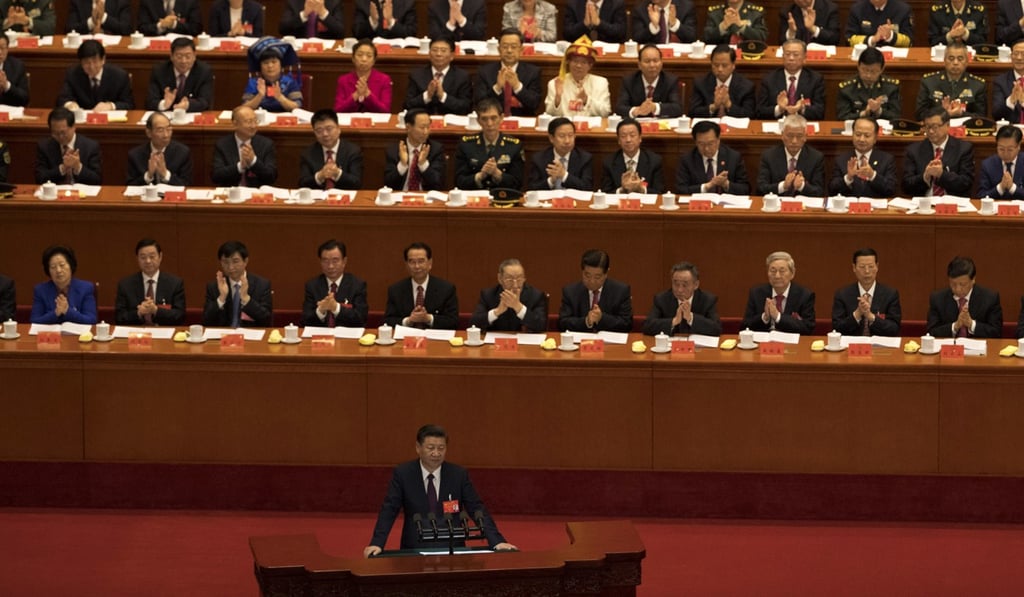
However, the just-concluded 19th party congress has declared the death of this system, with Xi Jinping not following tradition by naming possible successors to the Politburo Standing Committee, the innermost circle of power. There was no indication about any alternative option, and many observers believed the change opened the door to the possible resumption of “lifelong tenure” for Xi, a system last seen under Mao Zedong’s rule.