As Indonesia’s Chinese revive original family surnames, others get inspiration from Javanese customs, American culture and Islam
- Name-giving in Indonesia has a colourful history for most of its 1,300 ethnic groups; for the Chinese, it was troubling when they had to abandon their names
- Today, Western and Islamic influences play a part in naming babies, but even the pandemic and K-pop have provided inspiration
For a minority ethnic group like the Indonesian Chinese, who make up less than two per cent of Indonesia’s population, its history of name-giving has been both colourful and contentious. Although Chinese people settled in the Indonesian archipelago as far back as the 16th century, the majority arrived as economic migrants in the early 20th century.
But naturalisation did not stop Indonesian Chinese from experiencing the stigma of being seen as foreign. In 1967, in an attempt at “assimilation”, the Indonesian government issued a decree compelling all Indonesians of Chinese ancestry to abandon their Chinese names in favour of Indonesian ones. It was followed by a ban on the public use of Mandarin and expression of Chinese culture.
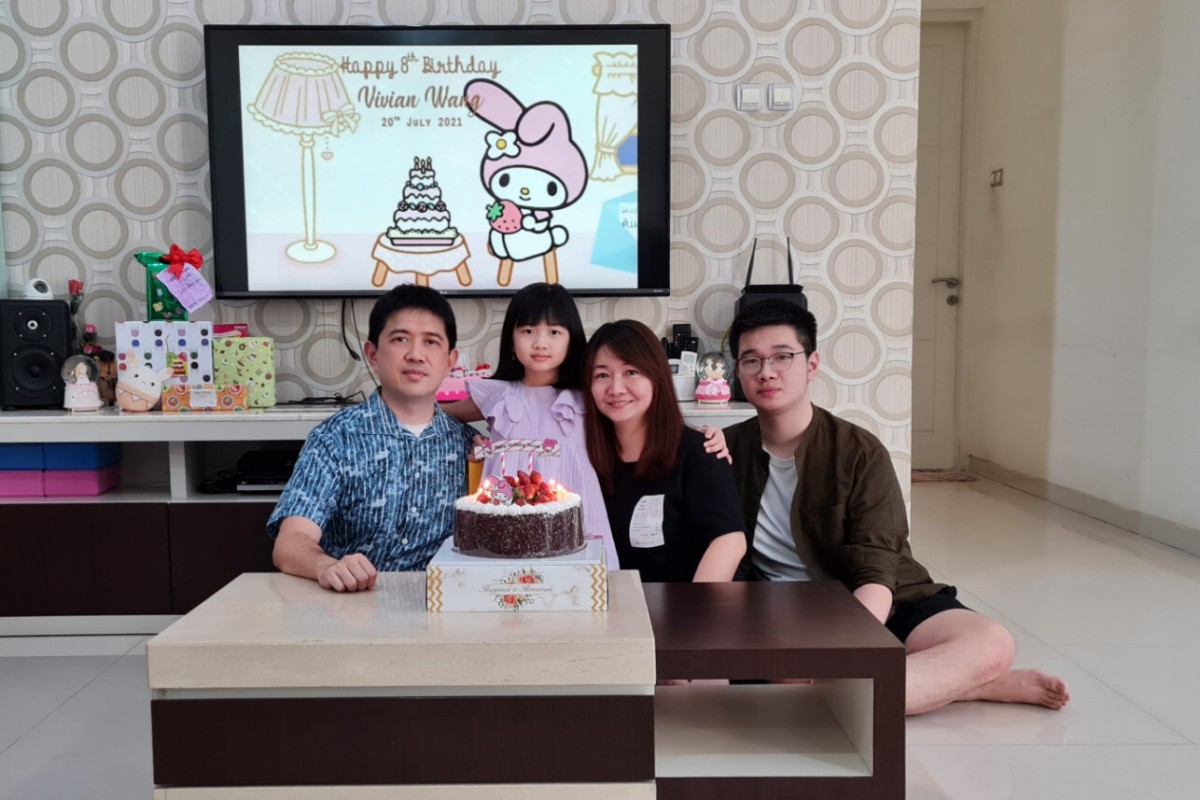
For Surabaya-born Hwely Ongkowijoyo, 44, the 1967 regulation led his grandparents to convert his family name, Wang or Ong in Hokkien, to Ongkowijoyo. The new Indonesian-ised family name remained in use for two generations until 2013, when Ongkowijoyo decided to revive the original family name by legally naming his newborn daughter Vivian Wang.
“For two generations, our family had used the name Ongkowijoyo and we felt that change was needed to move with the times. Ongkowijoyo sounded like [it was] from another era,” Linda Trisnawati, 45, Ongkowijoyo’s wife, said.