Advertisement
War on Iran threatens Asia’s food supply as fertiliser prices surge
As Gulf gas plants go offline, missing fertiliser shipments today could mean empty shelves and record food prices by autumn
4-MIN READ4-MIN
1
Listen

How does a missile strike on a Qatari gas plant end up raising the price of rice in Bangladesh? The answer is fertiliser, an unglamorous commodity that nevertheless sustains much of what the world eats.
Qatar burns natural gas to produce ammonia. Ammonia is converted into urea. Urea goes into the ground and out of the ground comes grain.
Disrupt the first step, as Iran did when it struck QatarEnergy’s liquefied natural gas (LNG) processing facility on March 1, and the consequences travel along the chain with a slow, compounding logic that no ceasefire can quickly reverse.
Advertisement
The price of urea in Southeast Asia has already jumped more than 40 per cent since Qatar’s LNG plant went offline. By Monday, shipments for April and May were trading above US$700 per tonne, the highest since the third quarter of 2022 when Russia’s war in Ukraine upended global supplies.
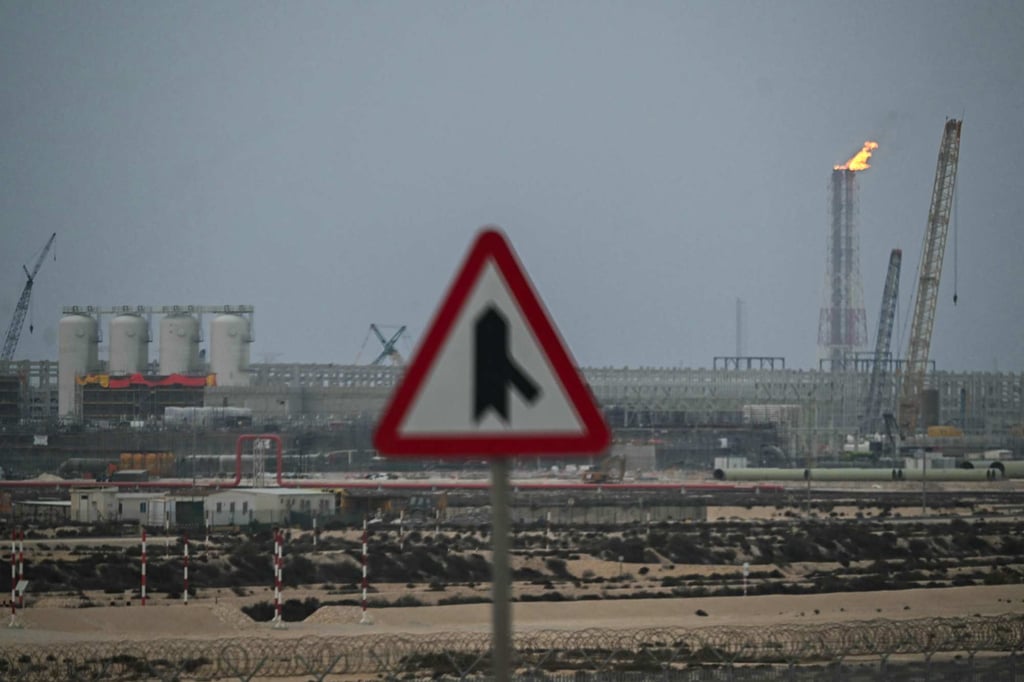
The Gulf currently accounts for about 45 per cent of global urea exports.
Advertisement
Advertisement
Select Voice
Select Speed
1.00x