Advertisement
Coronavirus: domestic violence comes to a head in locked-down India
- Total isolation forces victims and abusers to share space at home, where men vent their frustrations on the women
3-MIN READ3-MIN

Shilpa walked for 12 kilometres until she reached her maternal home on April 1, 2020. Unable to bear her brother-in-law’s beating, she left her marital home in Thane district of the western state of Maharashtra in India and walked towards Belapur where her parents live.
Shilpa had been a victim of domestic violence before, but the coronavirus lockdown brought matters to a head.
There are two unique factors about India’s lockdown. First, India’s lockdown is absolute.
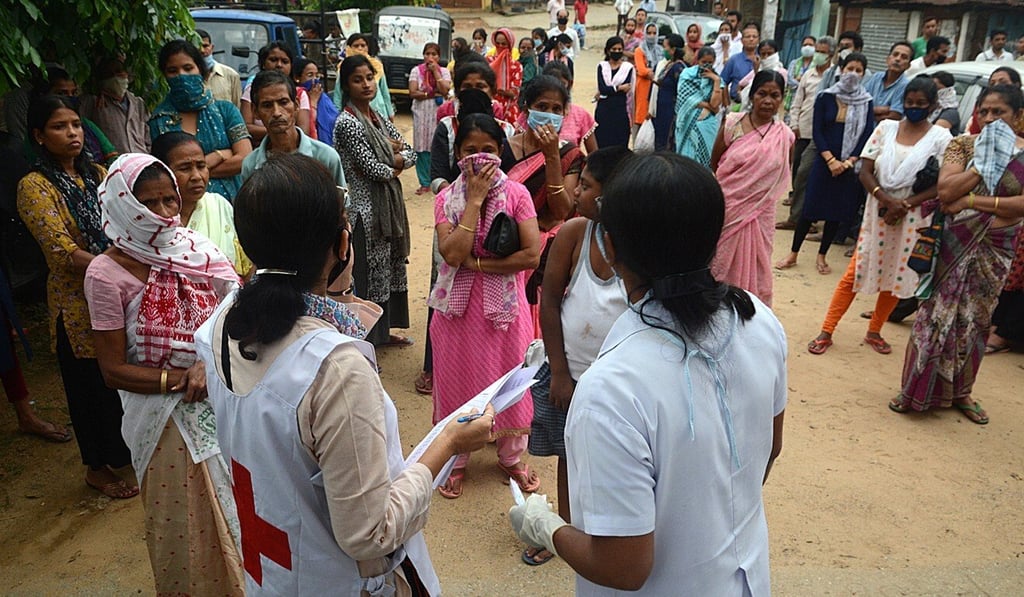
On March 25, India announced a complete lockdown for 21 days. People who venture out of their homes for anything other than to buy essentials are stopped by the police and questioned at the very least. Reports of police beating or using violent methods to restrict movement are rampant. Unlike in many other countries, people are discouraged from taking walks outside.
Second, since restrictions are rigid, victims and survivors are forced to share a space with abusers all the time. Therefore, although complaints of violence have increased they are not quite as much as experts expect.
Advertisement
Select Voice
Select Speed
1.00x