Advertisement
Rohingya or Afghan? In Indonesia, a tale of two refugee groups
Indonesia treats its 14,000 refugees relatively benignly, but as countries such as the US restrict their intake, the wait for a new life only increases. And as resettlement opportunities shrink, conditions get worse
3-MIN READ3-MIN

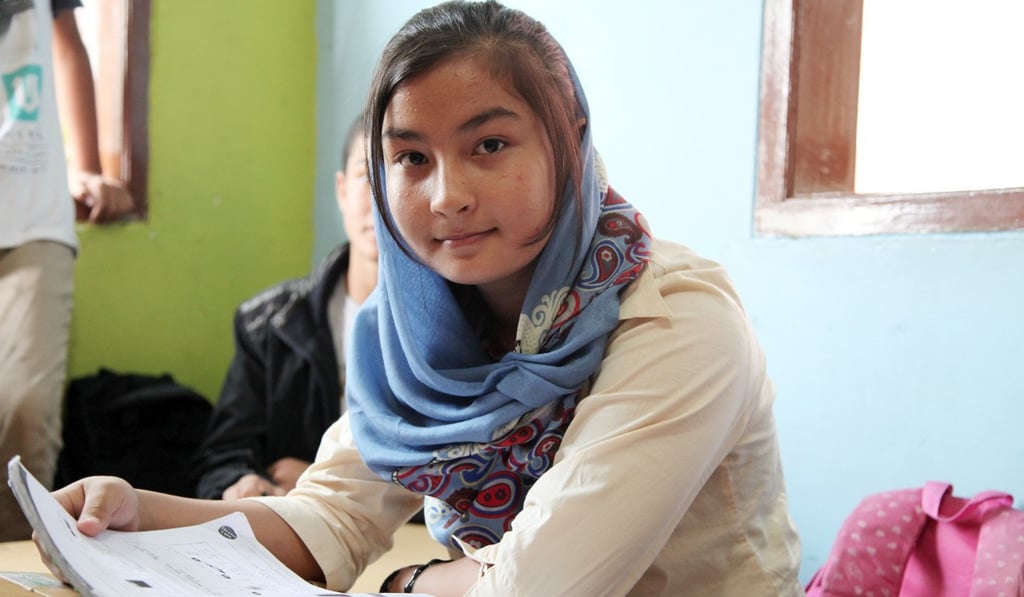
On a rainy afternoon at the Cisarua Refugee Learning Centre, in the cooler climbs outside Bogor, Hania Nemati, 14, takes time out from studies to talk about her dreams. “I want to be an astronaut, and if I can’t do that then I want to become a business woman,” says Hania in flawless English. In 2015, Hania, her parents and three brothers fled Afghanistan to Indonesia, a land that is home to about 14,000 refugees and treats them relatively benignly. It is a welcome contrast from life back in Kabul where car bombs were frequent, she recalls. “There was no reason to stay. You always remember the sound of the bombs.”
Why do China, India back Myanmar over the Rohingya crisis?
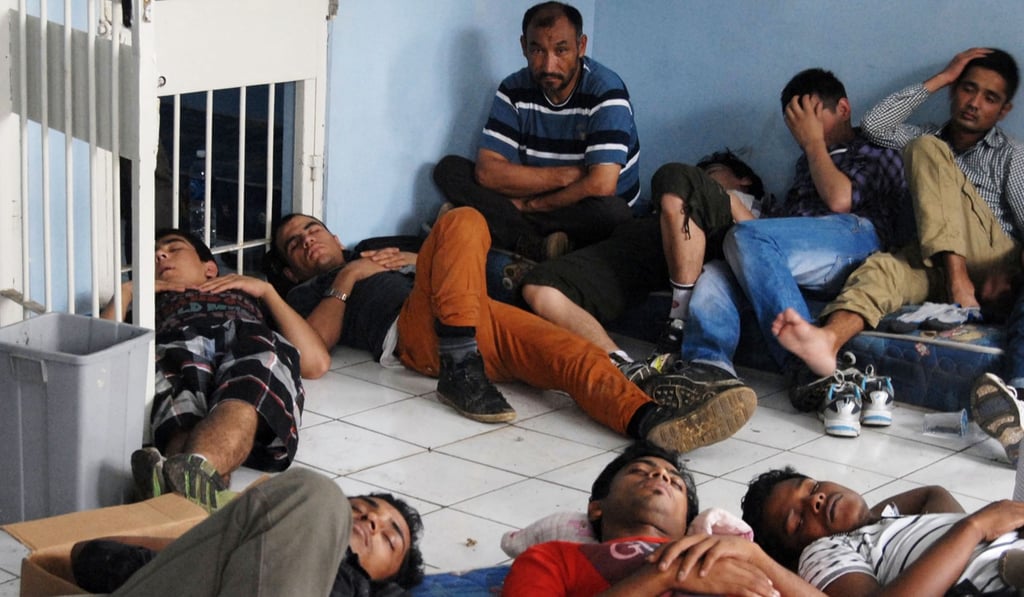
“Their conditions are getting worse as their resettlement opportunities shrink,” says Febi Yonesta, director of refugee advocacy group, Suarka.
Western criticism of Suu Kyi won’t help Myanmar – will China’s UN intervention?
Legally speaking, Hania’s school should not have been set up. Refugees may not engage in any activity, even volunteer work. Yet there is enough wiggle room for authorities to turn a blind eye.
Advertisement
Select Voice
Select Speed
1.00x