Will Trump’s proposed drug tariffs end India’s reign as ‘pharmacy of the world’?
Analysts warn that steep tariffs on generic medicines will disrupt supply chains, squeeze investment capital from India and raise freight costs

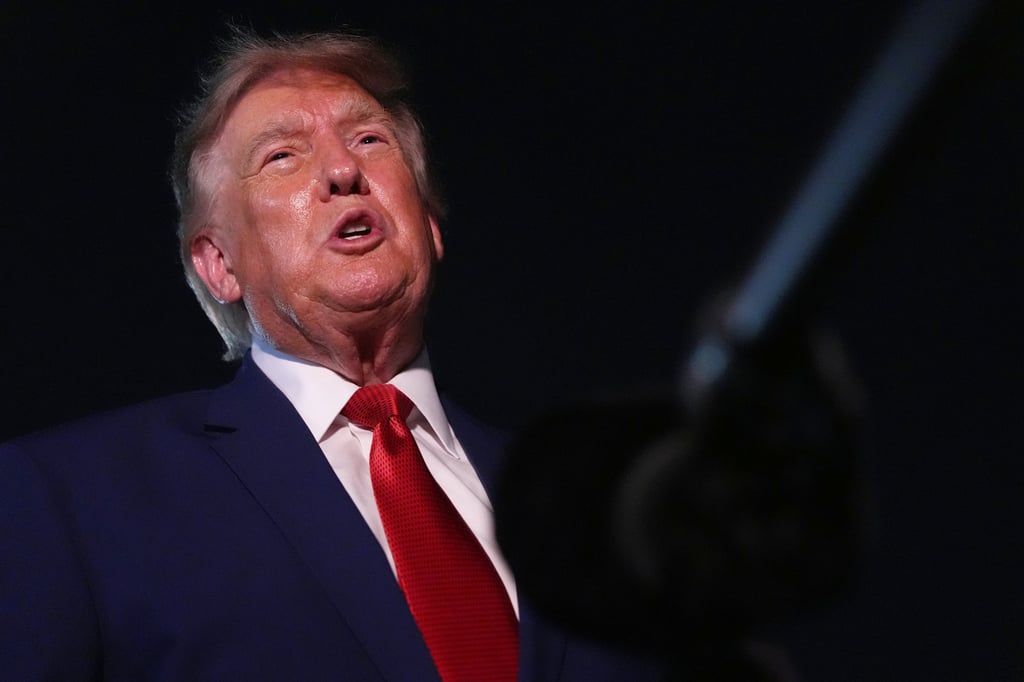
Late last month, Trump announced that the US would impose 100 per cent tariffs on generic medicines from August 2028 and increase them to 200 per cent after one year, signalling a major push to bring more drug manufacturing back to the United States.
The move could have far-reaching consequences for India’s pharmaceutical industry and the US health system, where generic drugs account for 90 per cent of prescriptions filled.
According to India Ratings and Research, the US market accounts for about 35 per cent of the Indian pharmaceutical industry’s revenues and generated nearly US$11 billion in sales for leading US-focused Indian companies in the financial year that ended March 2026.
Trump said in a Truth Social media post on July 21 that the two-year transition period was designed to give pharmaceutical firms enough time to relocate generic drug manufacturing to the US.
Vivek Mishra, deputy director of the Strategic Studies Programme at the Observer Research Foundation, said the move implied that Indian pharmaceutical companies would need to set up bases in the US and that many supply chains could be disrupted.