Philippines’ jeepneys sputter up costly climb to go electric
Observers point to the high costs of owning an e-jeepney and a lack of government support in enabling the electric shift

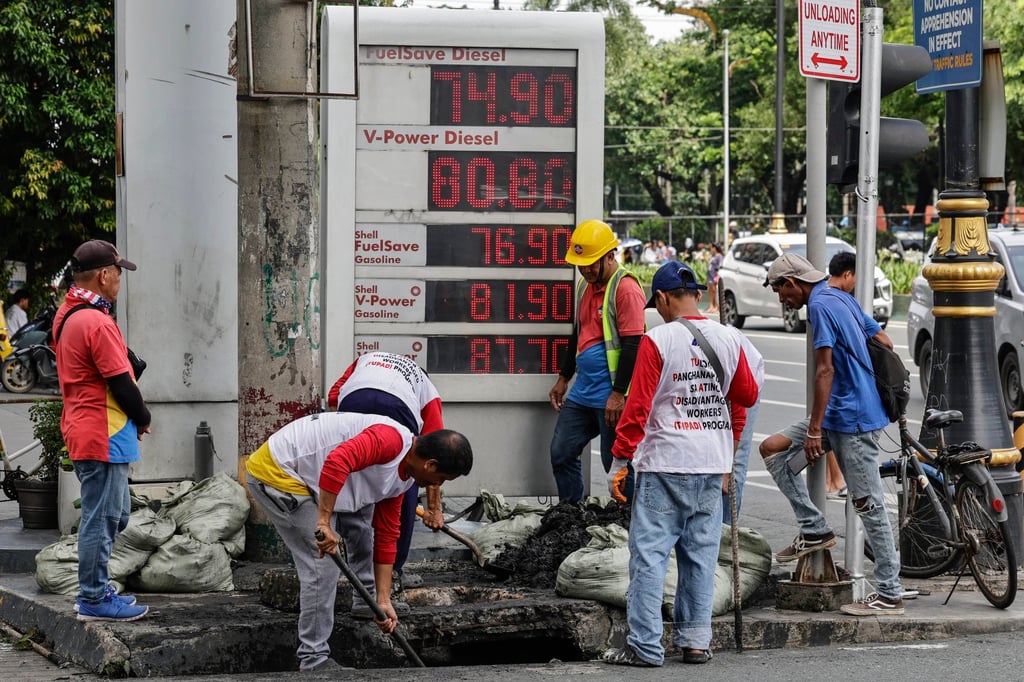
Diesel prices spiked by nearly 5 pesos this week as renewed tensions in the Gulf threatened to strain the country’s public transport sector, adding fresh urgency to the uneven shift towards “e-jeepneys”.
Since the Iran conflict began in late February, diesel prices have soared, prompting an exodus of jeepney drivers from the road. Fuel costs in Metro Manila hit a high of 114 pesos (US$1.90) per litre in March – nearly one-sixth of the minimum daily wage rate for non-agricultural workers in the capital region.
Inflation settled at 6.4 per cent in June, while diesel prices climbed to 76 pesos this week, up from 72 pesos the week before and well above the pre-conflict rate of 60 pesos per litre.
The latest increase has put the public transport sector on edge and exposed a deeper dilemma: electric jeepneys promise lower running costs, but remain out of reach for many small operators and drivers.
“We’re expecting diesel to climb again. The media has been saying that the stockpile will only last over 40 days,” said Liberty de Luna, national president of the Alliance of Concerned Transport Organisations (ACTO) in the Philippines.