Will Asean’s scramble for Russian oil fuel shift in regional alliances?
Southeast Asia’s pivot may be for economic reasons, but some analysts warn Moscow could seek to build lasting influence in the region

But analysts say the scramble for Russian fuel also raises a bigger question for the region: whether Moscow can turn a short-term role as an emergency energy supplier into longer-term influence there.
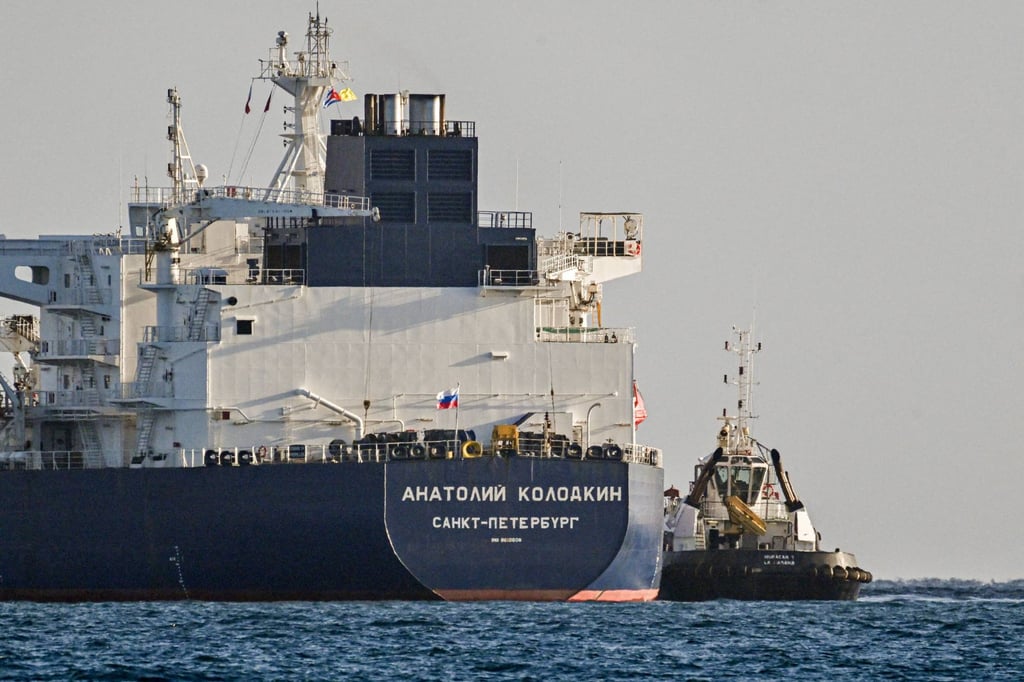
The move by Asean members – including Malaysia, Indonesia, Vietnam, the Philippines and Myanmar – to seek Russian oil could lead to the “reshaping of regional alliances to achieve supply chain resilience”, Chester Cabalza, founder and president of the Manila-based think tank International Development and Security Cooperation, said.
Cabalza said there was a high probability that Russia could use its role as an “energy lifeline” in the region as an opening to secure the “currency of influence” in Asean, with the closure of the Strait of Hormuz continuing to place pressure on a region dependent on imports from the Gulf for over half of its oil and gas needs.