Mixed bag: Indonesia’s 8% growth dream hits a plastic ceiling
Soaring packaging costs amid the Iran war hint at a deeper malaise as the middle class contracts and growth hits a plateau

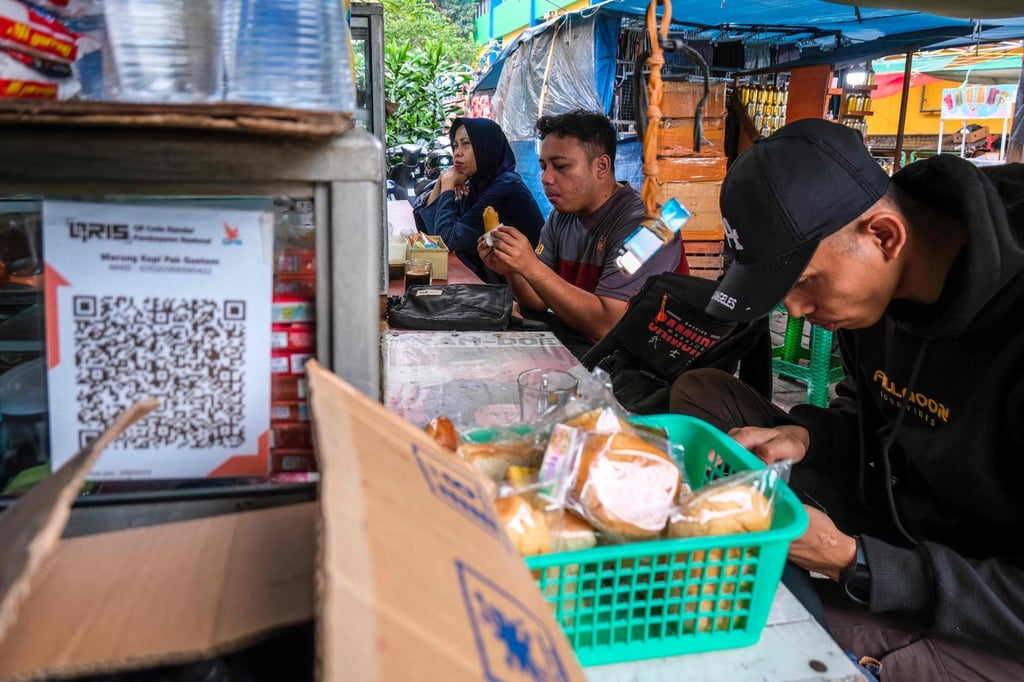
At a market in Depok, south of Jakarta, the plastic bags Budi needs to sell his chicken have nearly doubled in price. “Plastic is really expensive right now,” he said in an interview on April 17.
“Usually, I’d have to set aside at least 10,000 rupiah (58 US cents) for plastic bags, but now, I need a minimum of 15,000-20,000 rupiah. It’s quite a lot if I buy in bulk.”
That may sound like small change. But for Budi, who sells chickens for a maximum of 50,000 rupiah per kilogram and operates on razor-thin margins, it is the difference between staying afloat and going under.
“If I don’t raise the price, I’ll suffer a loss … If I raise the price, buyers will run away,” he told CNBC Indonesia.
Multiply Budi’s predicament across millions of street vendors, market traders and small food businesses, and what begins as a mundane packaging story becomes a window into something much larger: the growing vulnerability of Indonesia’s economy to external shocks – and the weaknesses those shocks are beginning to expose.