Advertisement
How Southeast Asia haggled with erratic US economic might
Most nations ended up with tariffs reflecting a ‘baseline of sorts’, but not without major concessions – and two were singled out
5-MIN READ5-MIN
2
Listen

And so it has come to this. After months of threats, intensive shuttle diplomacy and last-minute trade negotiations, Washington’s new tariff regime has finally come into force.
For Southeast Asia, whose nations jostled for favour – and relief – from a White House wielding economic might with Donald Trump’s trademark unpredictability, this ledger of punitive levies has laid bare the US president’s vision for a new global trade order: one underpinned by “reciprocal” transactions.
The wide spectrum of tariffs that took effect last week offers a telling window, not only onto the value the United States assigns to its trading partners, but also the concessions they made.
Advertisement
Trump’s sweeping executive order, issued on July 31, imposed tariffs that came into force from Thursday on a host of nations. Most Southeast Asian countries ended up with rates between 19 and 20 per cent – a figure that analysts say now serves as a de facto “baseline” for future trade negotiations with the US.
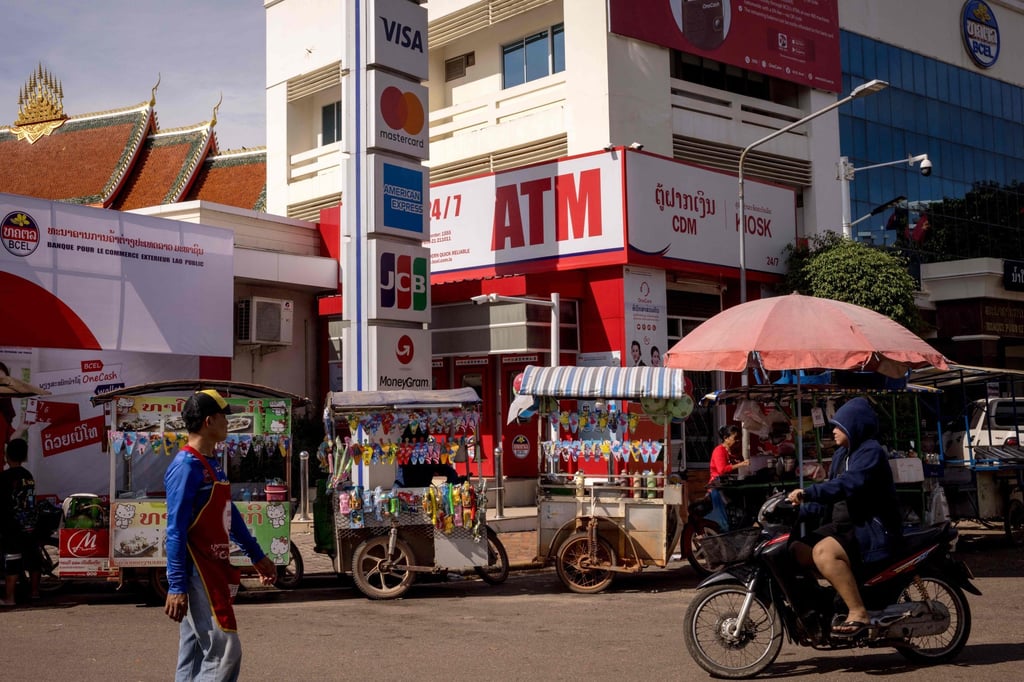
Laos and Myanmar, meanwhile, found themselves singled out for far harsher treatment, facing tariffs of 40 per cent.
Advertisement
For Cambodia and Thailand, the story is more nuanced. Initially saddled with punitive duties of 49 per cent and 35 per cent, respectively, both nations saw their tariffs dramatically reduced to 19 per cent after the two warring nations agreed to a ceasefire amid a flurry of diplomatic engagement.
Advertisement
Select Voice
Select Speed
1.00x