Japan’s Kishida takes veiled swipe at China at Shangri-La Dialogue, vows to strengthen cooperation for ‘free and open Indo-Pacific’
- PM Kishida, speaking at the Shangri-La Dialogue, used veiled barbs in reference to Beijing but also spoke of the importance of the bilateral relationship
- He spoke of ‘unilateral attempts’ to change the status quo in disputed waters and said he would strengthen security cooperation with like-minded partners

In a subsequent question-and answer session, Kishida used a more conciliatory tone when asked about his vision for ties with China, describing it as an “important bilateral relationship”.
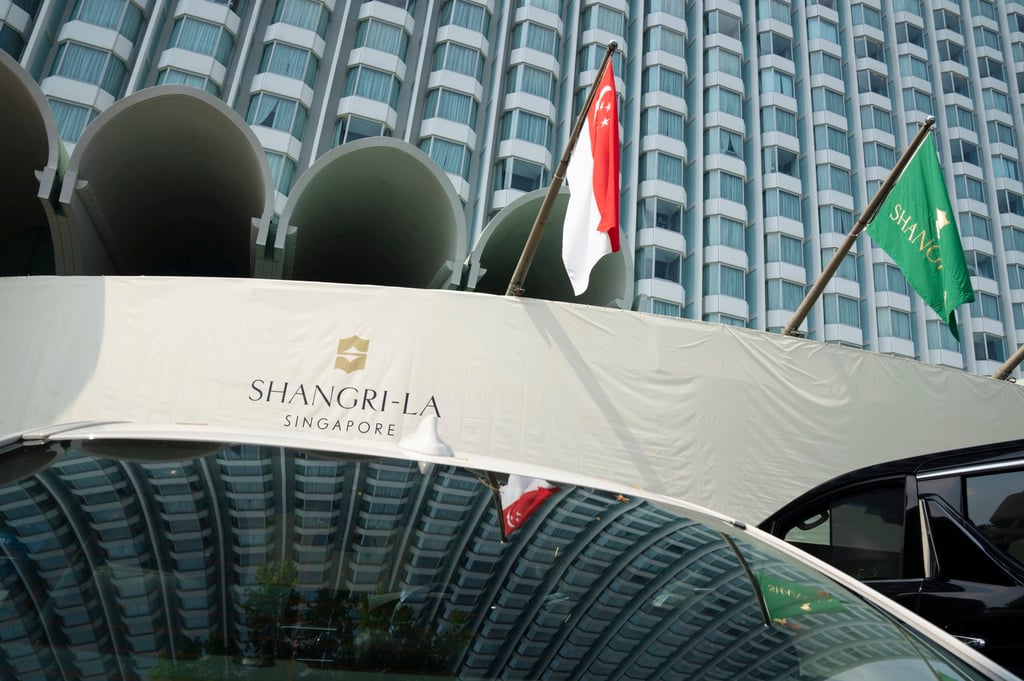
In his speech, however, Kishida’s remarks covered a range of issues concerning China, including maritime rows in the East and South China Seas.
In the East China Sea, where Japan is located, “unilateral attempts to change the status quo in violation of international law” were continuing, Kishida said. On the South China Sea, he questioned whether “rules are really being honoured”.
He said: “Neither international law – in particular, the United Nations Convention on the Law of the Sea to which all relevant countries agreed after years of dialogue and efforts – nor the [2016] award rendered by the arbitral tribunal under this convention, is being complied with.”
He said peace and stability across the Taiwan Strait was also of “extreme importance”.
“Unfortunately … activities not respecting people’s diversity, freewill and human rights is also taking place in this region,” he said.