Taiwan says proposal to move 40% of its chipmaking capacity to US is ‘impossible’
The new reality in geopolitics is the structural transformation from ‘made-in-Taiwan’ to ‘made-by-Taiwan’, according to one analyst

Taiwan’s move to defend its “silicon shield” is the latest sign of the island’s tech dominance being used as a bargaining chip in trade negotiations, as it faces increased geopolitical pressure to shift semiconductor manufacturing capacity overseas, according to analysts.
It would be “impossible” to move 40 per cent of the island’s semiconductor capacity to the US, Taiwan officials have told the US, according to Taiwan vice-premier Cheng Li-chiun in an interview with local broadcaster Chinese Television System, which aired on Sunday.
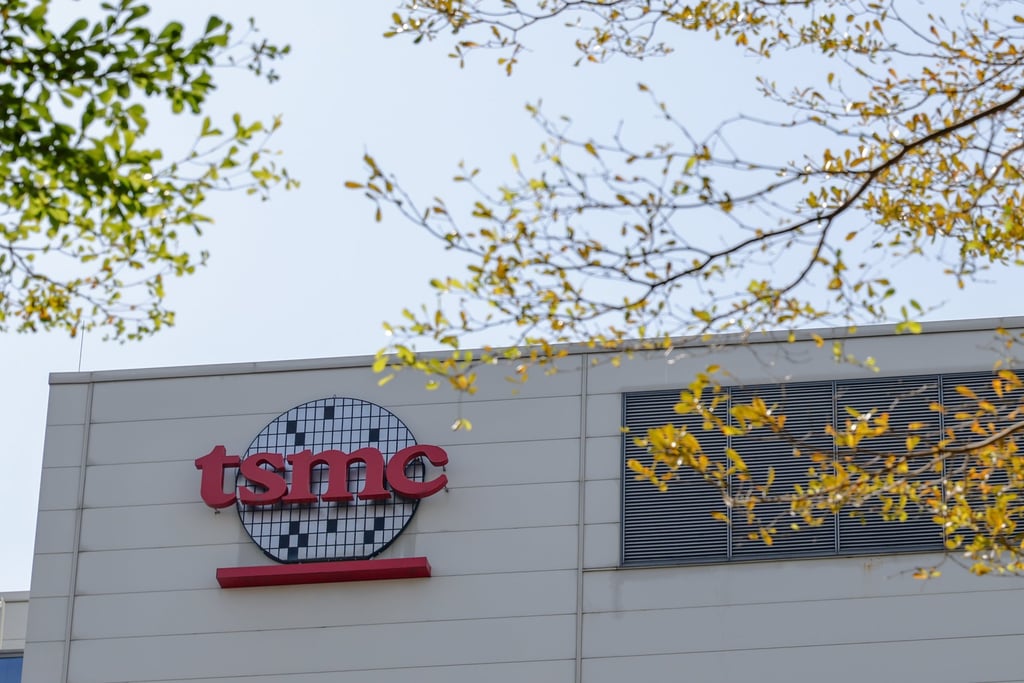
Cheng’s remarks signalled a willingness to hold onto Taiwan’s most vital economic asset, as the US request could hollow out its prized semiconductor sector, comprising some of the world’s most advanced chipmakers such as Taiwan Semiconductor Manufacturing Co (TSMC), according to analysts.
“Forcing nearly 40 per cent of capacity to the US would trigger a severe risk of ecosystem disruption”, said Arisa Liu, chief director and research fellow at Taiwan Industry Economics Services, a unit of the Taiwan Institute of Economic Research.
It would not only cause production costs to increase exponentially due to the fragmentation of the supply chain, but also lead to low utilisation rates for expensive advanced manufacturing equipment due to the lack of mid- to high-level skilled workers in the US, Liu said.
Cheng’s comments marked a pushback against recent statements by US Commerce Secretary Howard Lutnick, who called for a major production shift from Taiwan when the two sides reached a trade agreement last month.