Hong Kong’s Sandbox VR was nearly killed by Covid, but it now has global ambitions amid surging demand
- Sandbox VR has plans to triple its global arcade footprint to 40 locations, rebounding from bankruptcy in the US in 2020
- The pandemic forced the company to cut 80 per cent of its workforce, which remains reduced it seeks to release its first new games since before Covid-19
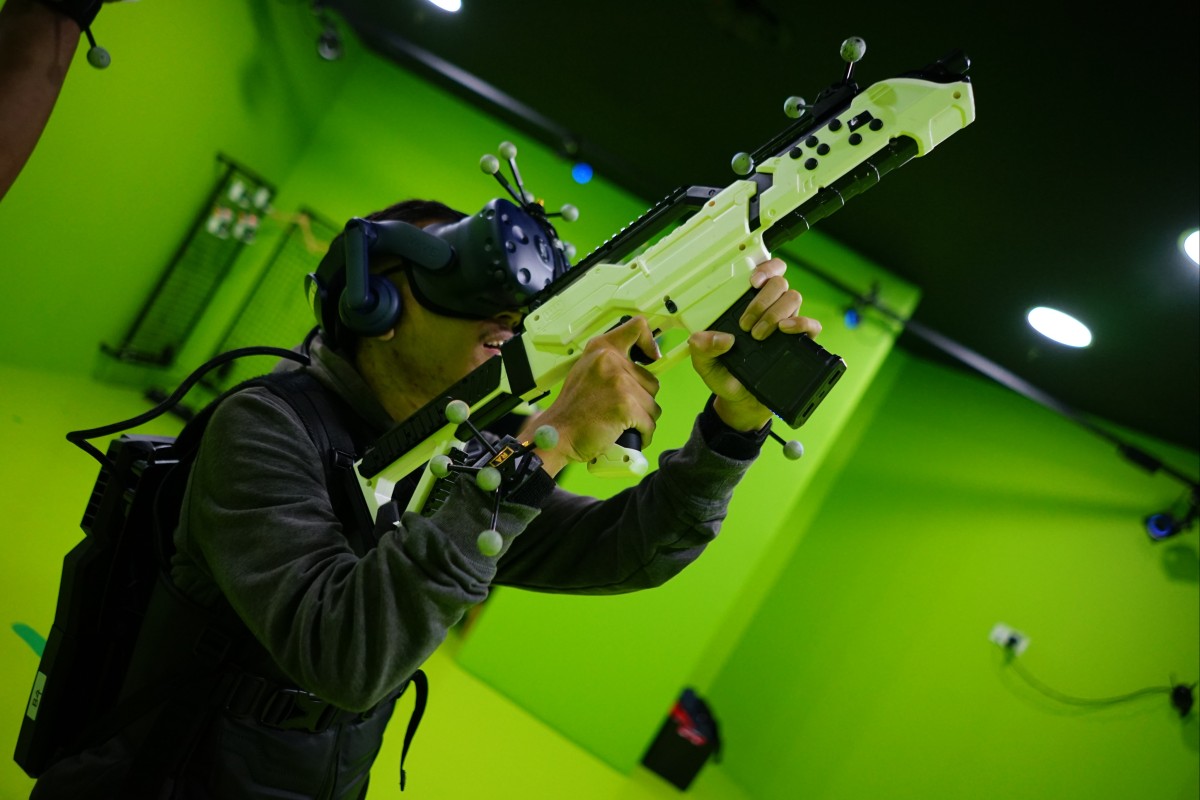
The expansion is a dramatic turnaround from 17 months ago, when the start-up was forced to shut down its VR arcades during the pandemic, said Zhao, who created the firm on the 16th floor of a back-alley building in Hong Kong. In September 2020, the company filed for Chapter 11 bankruptcy in the US and Zhao later got rid of the entire research and development team, eventually shedding 80 per cent of his workforce in total.
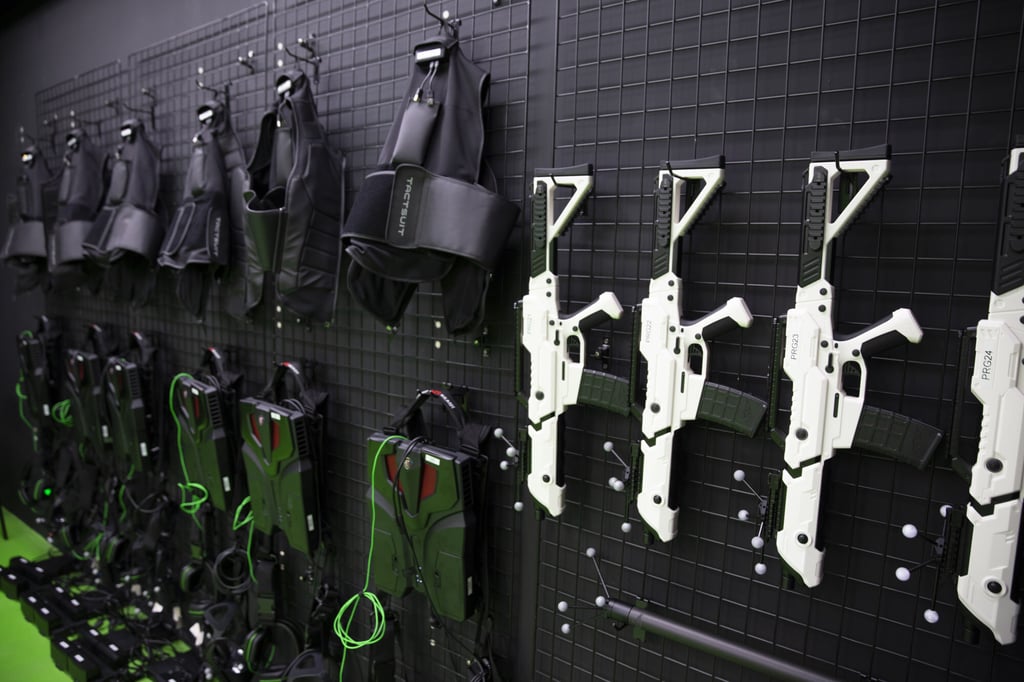
One reason the pandemic took such a heavy toll on Sandbox VR is that getting the fully immersive experience of its video games requires physically going out to its stores where people can don its headsets and haptic vests and use other custom equipment. Zhao said he realised the company could survive because one store in the relatively business-friendly US state of Texas, which the company was able to keep open.
“People booked ahead online and then they would … drive to our location to play,” he said. “We were like, wow, people are willing to do that.”
As Covid-19 restrictions have eased in many markets, consumer demand for VR experiences has exploded. This pent up demand resulted in a 20-fold increase in revenue over eight months last year, Zhao said. The company was able to reopen its arcades last April, and it has opened stores in five new locations since July, including in Austin, Texas, and Las Vegas, Nevada, in the US and in Shanghai.