7 Chinese industry bodies issue RWA tokenisation warning amid Beijing’s crackdown
This was the mainland associations’ first warning to members as Chinese authorities have explicitly targeted RWA tokenisation

Mainland Chinese industry associations have issued a joint warning to real-world asset (RWA) tokenisation providers after Beijing turned on the screws, dashing hopes that Beijing might ease restrictions on digital-asset activities amid competition with the US.
Tokenising real-world assets involves multiple risks such as fake assets, business failure and speculative trading, and Chinese authorities had not approved any such activities, seven industry bodies, including the National Internet Finance Association of China, the China Banking Association and the Securities Association of China, said in a notice on Friday.
These associations are directly overseen by regulators including the People’s Bank of China (PBOC) and the China Securities Regulatory Commission (CSRC).
This was the industry’s first warning as Chinese authorities have explicitly targeted RWA tokenisation, which refers to the process of creating representations of traditional assets on a blockchain and is touted as a way to allow faster and cheaper transactions.
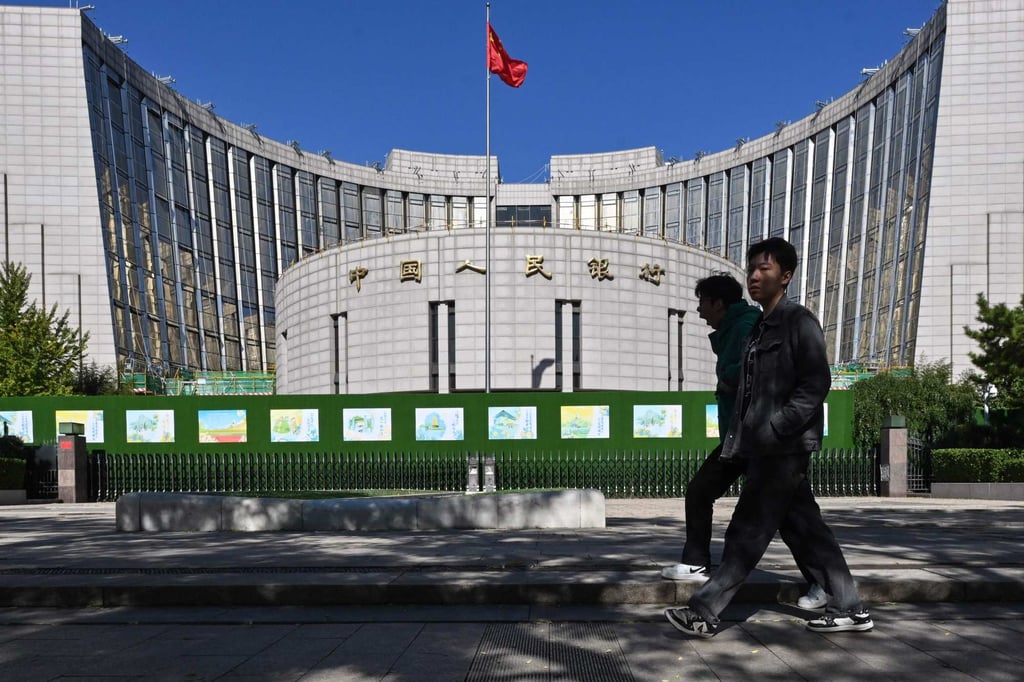
Chinese authorities had recently underlined their tough stance on cryptocurrency, thwarting expectations earlier this year that Beijing might ease its hostility towards digital assets after policymakers in the US took a more accommodating stance towards crypto.
The PBOC, along with the public security ministry, the cyberspace administration, the top court and other key financial regulators, said in a statement last week that stablecoins did not meet the mainland’s requirements on customer identification and anti-money-laundering.