China taps the brakes on robotaxi licences after Wuhan incident: sources
Licensing curbs follow a Wuhan system failure that stranded passengers, as authorities shift focus from rapid roll-out to safety oversight

China’s robotaxi sector has hit a speed bump after regulators tightened licensing requirements while reviewing the causes of a recent incident in Wuhan that left passengers stranded and disrupted traffic for hours.
Authorities had begun scaling back the issuance of autonomous driving licences, according to two sources familiar with the matter. The sources requested anonymity as they were not authorised to speak to the media.
The curbs, however, do not amount to a complete halt. Officials still viewed robotaxis favourably as part of China’s broader push into autonomous driving, but new approvals were expected to become harder to secure, one source said.
The shift reflects a change in regulatory focus – from rapid expansion and deregulation to safety and stability – amid increasingly bullish forecasts for the sector.
The move follows a system failure on March 31 involving Baidu’s Apollo Go fleet, which left some passengers stranded in the middle of the road during evening rush hour, disrupting traffic across parts of Wuhan for several hours in a setback to the company’s autonomous driving ambitions.
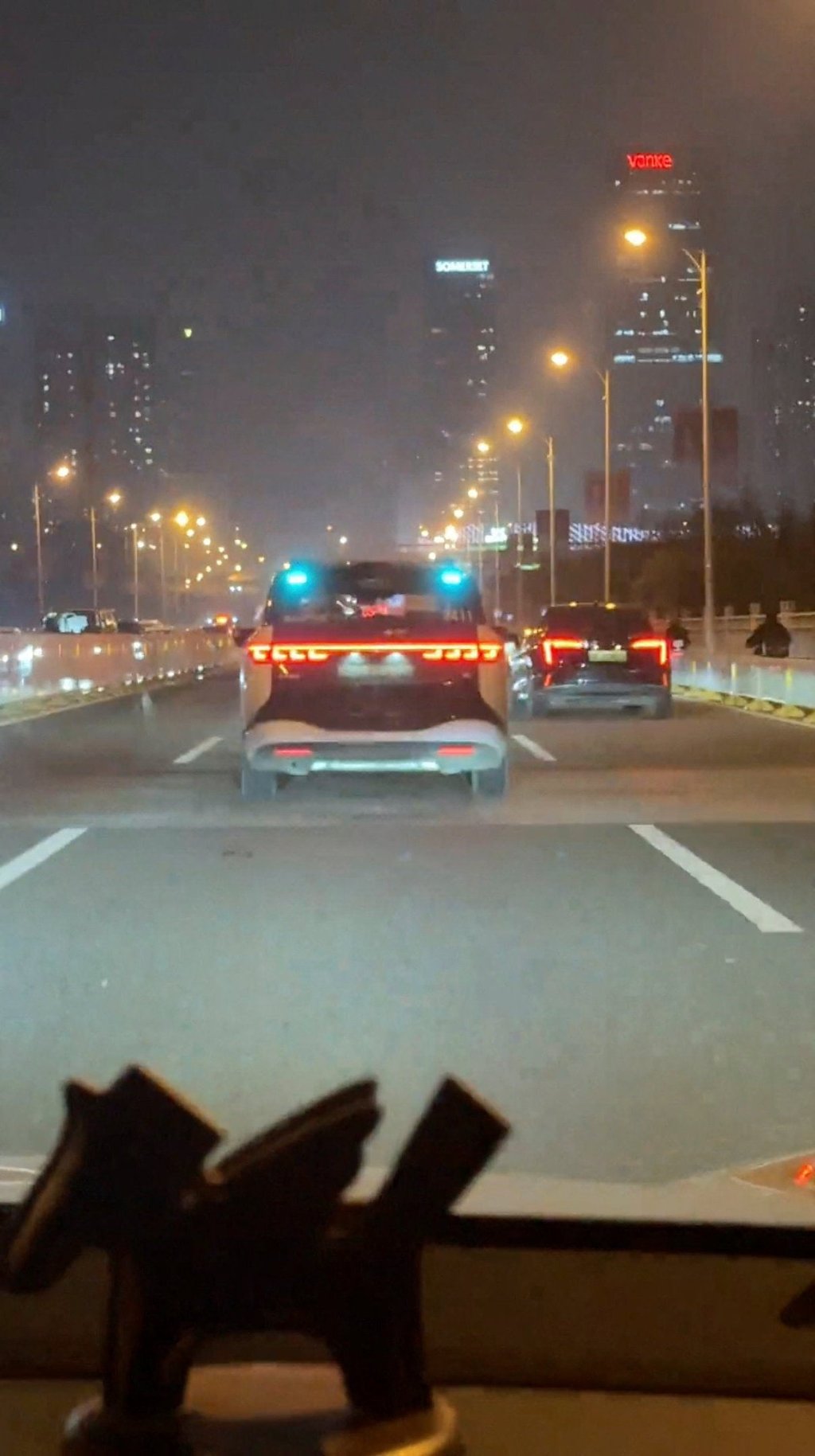
Days after the incident, the Ministry of Industry and Information Technology (MIIT) convened a meeting with other agencies, including the transport ministry, urging the industry to “carry out self-inspections and rectification measures, and strengthen safety oversight”.