Why China’s sporting machine fails to turn individual Olympic gold into team success
Why has a country that shines in the Olympics struggled so badly on the football pitch and basketball court? Two experts think they know

When it comes to individual success, China can appear to be an unstoppable sporting machine at times, from dominating table tennis, to training divers to enter the water without a splash and weightlifters to shatter world records.
But translate that same state-led sports model onto a football pitch, basketball court, and latterly volleyball court, and the system stumbles.
In a year when China’s men again watched on as others played in an expanded Fifa World Cup, an economist and a sports executive argue its failures in team sport stem from a structural mismatch: a system built to capitalise on measurable physical traits cannot work with the high cost of identifying talent for teams, low rate of community involvement and rigid training routines.
This is evident when you look at football and table tennis. China’s last appearance at a men’s World Cup was in 2002, where they lost all three matches in the group stage and failed to score, and their best result at the AFC Asian Cup was runner-up. Table tennis star Sun Yingsha, on the other hand, has been the women’s world No 1 since 2022 and won multiple Olympic gold medals.
Zhu Tian, professor of economics and vice-president at the China Europe International Business School (CEIBS), told the South China Morning Post that in his view, the primary reason for the divide lies in the cost of identifying athletic talent, rather than a simple distinction between individual and team events.
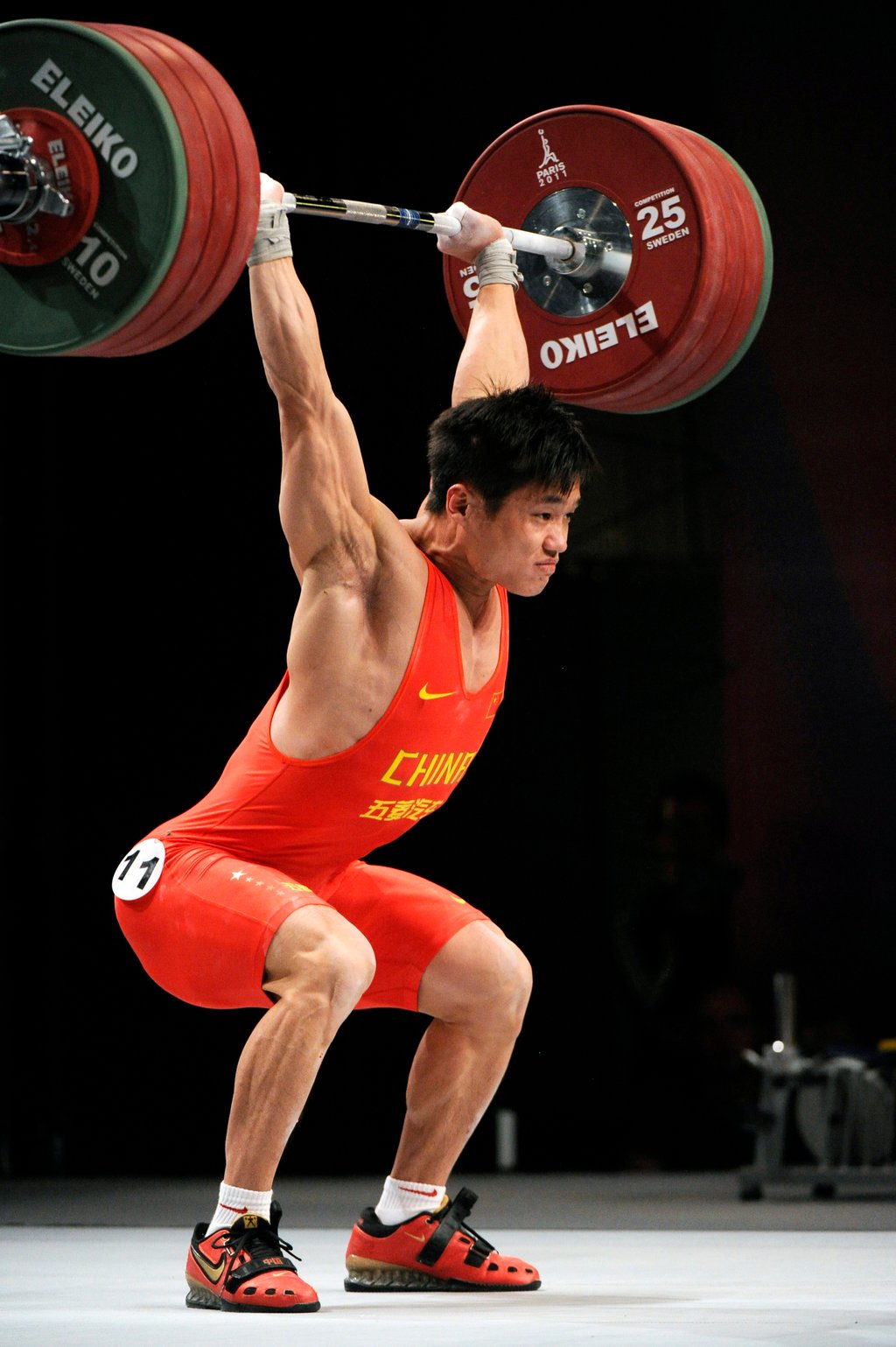
According to Zhu, in individual sports such as weightlifting, swimming, or diving, performance depends on measurable physical traits, such as strength, speed and flexibility, that can be identified early.