Modern Macanese cuisine gives traditional dishes a makeover with new depth of flavour
Chefs from The Londoner and Jade Dragon reveal the innovative techniques they use to give familiar dishes a new kick

In Macau’s bustling kitchens, chefs are more than cooks – they’re storytellers, weaving centuries of flavour into every dish. The city’s vibrant culinary scene carries the legacy of Portugal’s maritime empire, where the spice routes of old still whisper in the sizzle of a pan or the simmer of a pot.
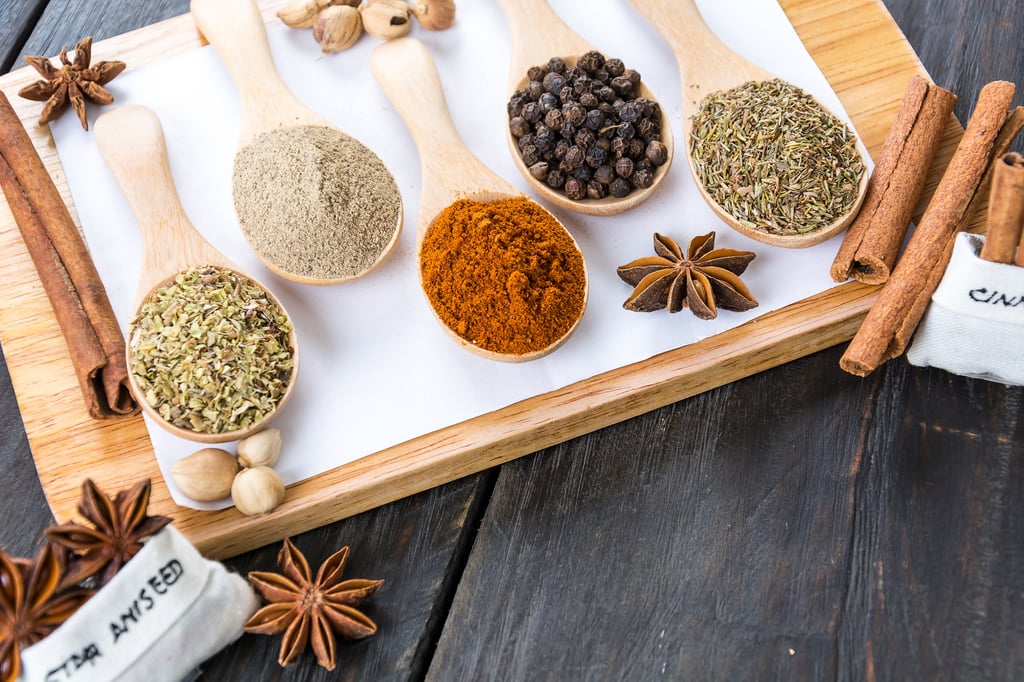
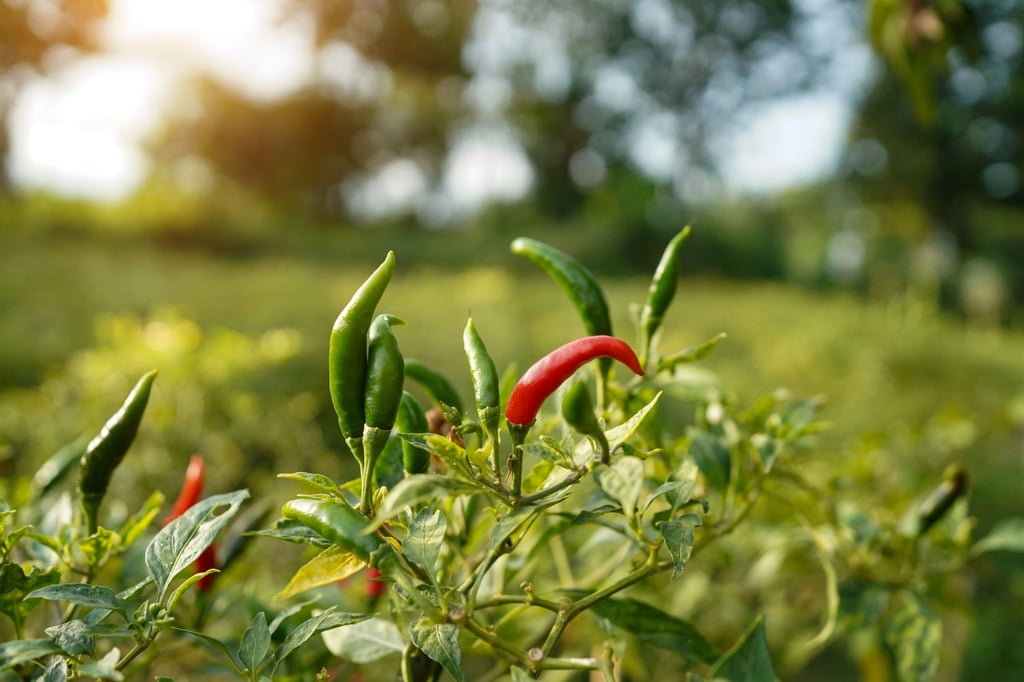
Once Portugal’s gateway to the Far East, Macau became a melting pot of Goan spices, Malaccan herbs and Chinese techniques – creating a cuisine as rich in history as it is in taste. Contemporary Macanese cuisine stands as living testimony to this global exchange: now expanded to bay leaves from Europe, turmeric from India and chillies from the Americas – all melded into something uniquely Macau. But behind the city’s rise as a culinary star are the chefs preserving this heritage, balancing tradition with innovation to keep history alive on the plate.
For generations, family recipes have been handed down like treasured heirlooms, their subtle nuances and secrets closely guarded. While the digital age has made recipes more accessible, some elements remain uniquely personal. “There’s always a ‘magic touch’ – a secret ingredient or technique kept within the family, passed from one generation to the next. That’s what keeps our culinary heritage alive,” says Filipe Ferreira, managing director of Restaurante Litoral Taipa.
Today, the guardians of Macanese cuisine remain committed to preserving its rich legacy. One key to success lies in learning from elders, as described by The Londoner’s executive chef Wong Weng U. “I have collaborated with and learned from the renowned Macanese Portuguese cuisine master, Mr Chan Chi-cheng. His guidance has significantly enhanced my Macanese Portuguese cooking skills.”
Wong explains that this collaboration refined his dedication to traditional flavours while still embracing innovation. He was inspired by his mentor to experiment with dishes such as crispy salted cod fritters and a “cotton candy with coconut mousse and wood pulp pudding”.
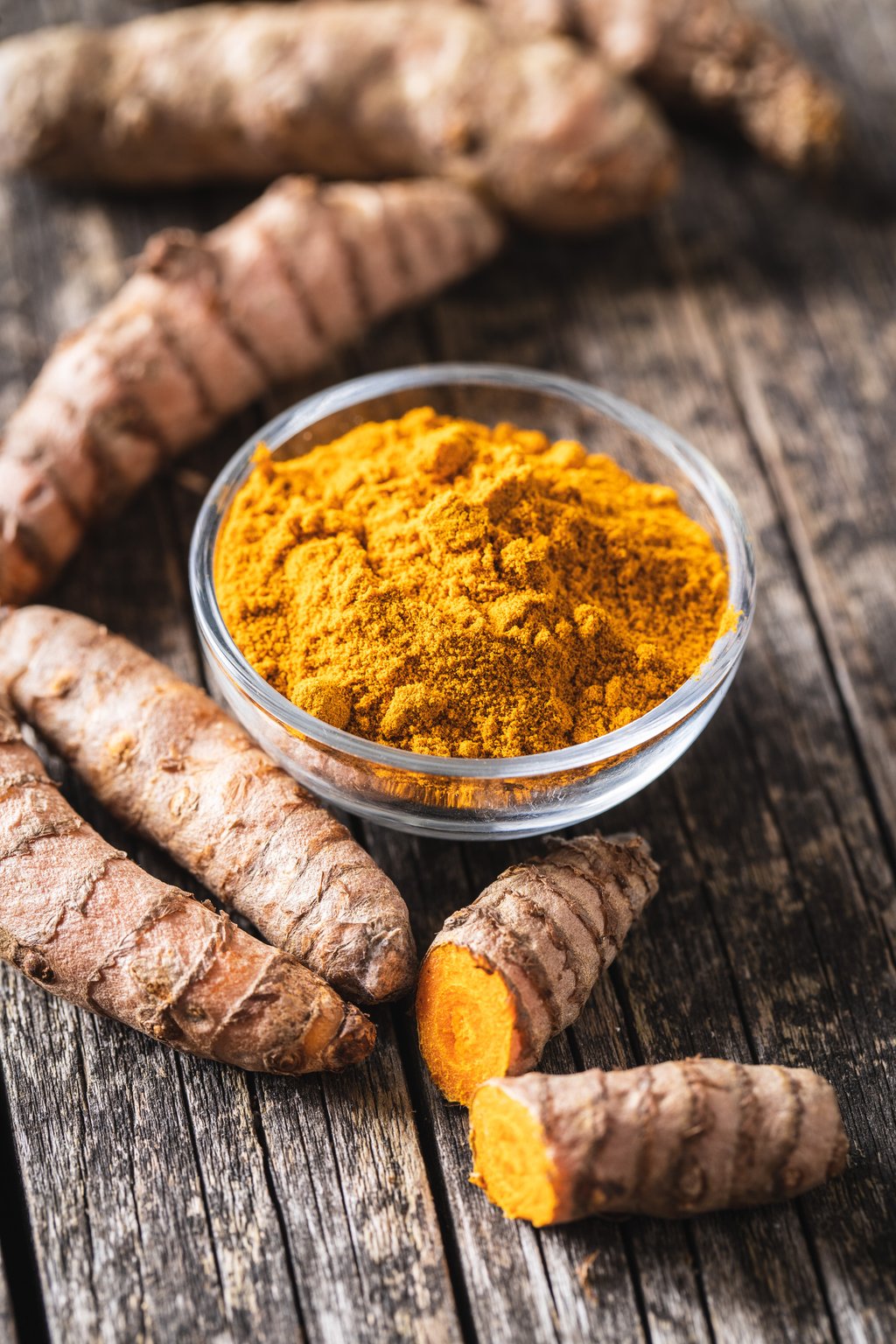
African chicken (also known as Galinha à Africana), a signature Macanese dish with roots in Portugal’s colonial history in Africa, is highlighted by Wong as an example of how Southeast Asian ingredients such as coconut milk and turmeric have enriched the original recipe, adding layers of complexity.
At the same time, Wong is open to interpreting the dish in various ways. “You can wrap boneless chicken wings in the sauce of African chicken, and then combine it with Chinese barbecue cooking techniques: dip the wings in a crispy skin solution, dry them and fry them until golden and crispy. This will create a delicious snack, perfect for afternoon tea or cocktail parties.”
Jade Dragon’s chef Kelvin Au Yeung says his approach is to maintain the fundamental essence and authenticity of Cantonese cuisine while adding new elements based on his culinary experience. Focusing on the past for inspiration, Au Yeung says he plans to introduce more traditional Chinese herbs to his seasonal menus by collaborating with Chinese herbalist doctors in Macau. He notes that Cantonese cuisine has a long history of promoting health and longevity, explaining that he enjoys experimenting with different combinations of herbs and seasonal ingredients.
“Rare spices or herbs can enhance the flavour profile [of a dish], but they must be used with care so as not to overwhelm the primary flavours.” One of his favourite ingredients? “Chenpi”, better known as aged tangerine peels. “These are regarded as one of the ‘three treasures of Guangdong’ and are both precious and iconic. Well-aged chenpi not only deepens the aroma of a dish but also balances out the greasiness. It can even be used in desserts.”
For 400 years, generations of Macau’s cooks have preserved traditional techniques while constantly adapting. They work with a simple principle: respect what came before, but don’t be afraid to try something new. The best cooks here know every generation must add its own chapter to the story.