Chengdu tempers fire with other flavours in its refined Sichuan cuisine
Contrary to popular belief, not all Sichuan dishes are hot – the cuisine has 24 distinct flavour profiles, as its capital Chengdu shows

Mountains of fiery red chillies, sizzling oil cascading into pots of simmering fish, and that signature tingling numbness that dances on the tongue – Sichuan cooking thrills diners, leaving them flushed and exhilarated with every bite. Regarded as one of the “four great traditions of Chinese food”, Sichuan cuisine has a rich history. Its magnetic allure captivates food lovers, both local and international, drawing them into a world of bold, unforgettable flavours.
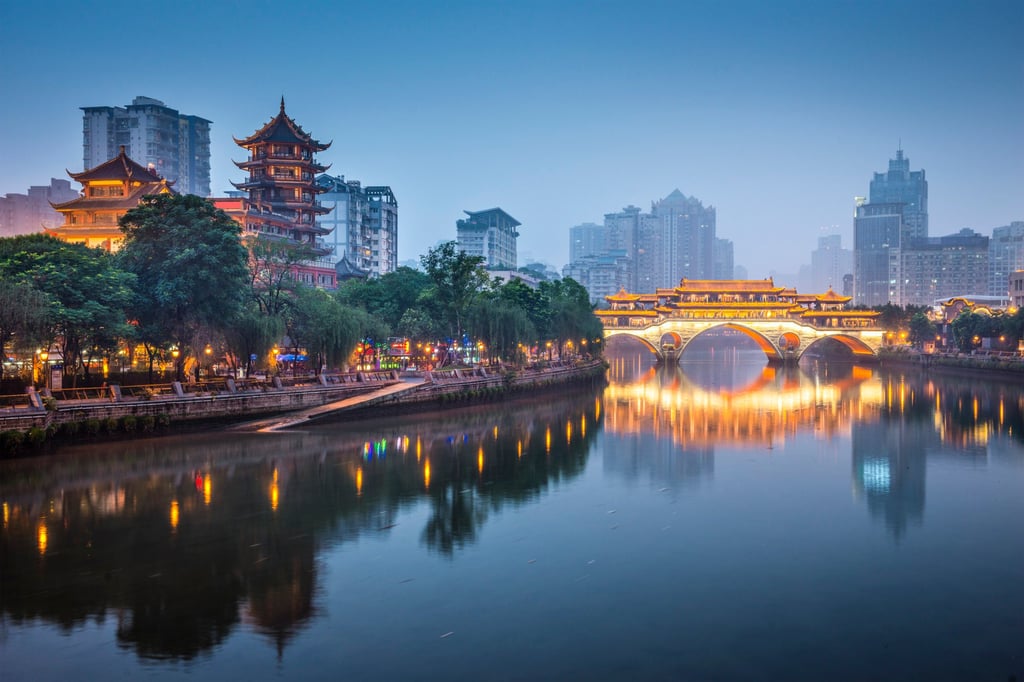
In fact, the first Chinese city to be selected as a Unesco City of Gastronomy – back in 2010 – was not Hong Kong or Guangzhou, those bastions of Cantonese cuisine; nor Yangzhou, one of the heartlands of Huaiyang cuisine. Instead, the honour went to Sichuan’s provincial capital, Chengdu, a humble city that rarely boasts of its refined culinary traditions.
To the uninitiated, Sichuan cuisine is often misunderstood as a relentlessly spicy, one-note assault of heat in every bite. The truth is far more nuanced. In the 4th century, well before the first chillies made it to China, historian Chang Qu recorded in his work Chronicles of Huayang that the local Sichuanese already enjoyed the potent flavours of ginger, peppers and scallions in their diet.
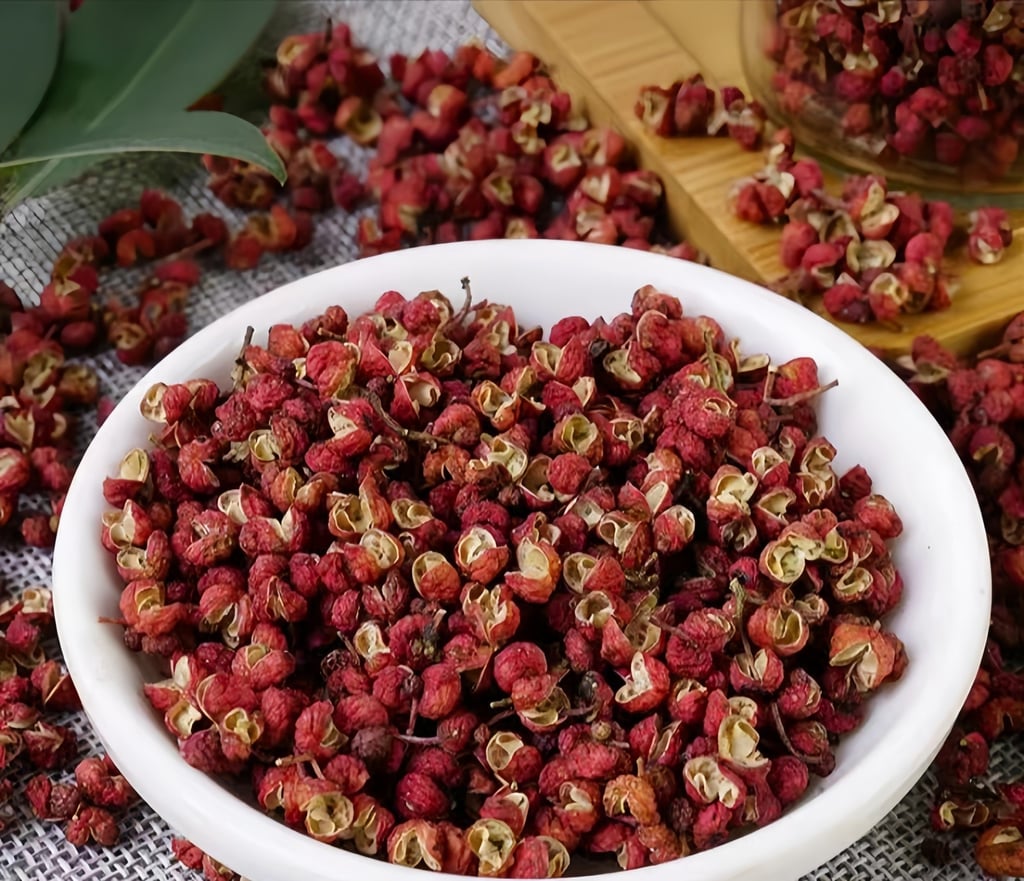
“There are 24 distinct flavour profiles in Sichuan cuisine, and each of these profiles is vastly different from one another, going beyond sweet, savoury, sour, bitter and umami,” says Theign Phan, head chef at Hong Kong’s Grand Majestic Sichuan restaurant.
“Flavour profiles such as mala [numbing and spicy], yuxiang [fish-fragrant] and guaiwei [exotic or strange] are all different flavour bombs. The sight of mountains of chillies promotes the misconception that all Sichuan dishes are hot. In reality, hot dishes only cover less than half of the cuisine.”
Sichuan food’s reputation for fiery intensity has come to overshadow its depth. Local cuisine varies widely across the large province, which is nearly the same size as Spain and boasts similar regional variety. For instance, Chongqing food is considered more rustic than the refined fare served in Chengdu, and the level of heat varies across the province.
“Chengdu food is strikingly varied in its flavours, with a range from mild to hot, and can be extremely refined,” she continues.
“The cuisines in Chongqing and Zigong can live up to the hot-and-spicy reputation with more ‘dramatic’ fiery cooking, but in Chengdu, specialities like chicken tofu are classic Sichuan dishes that are polished and not hot at all.”
“Chengdu chefs [compared to others in Sichuan] are in general more focused on technique, with more polished skills, and often better at handling the harmony of condiments and seasonings,” opines chef Yang Dengquan, a Chengdu native and executive chef of Macau’s celebrated restaurant Five Foot Road.
“There is more restraint and control in the seasoning. You can see that in the people as well,” he adds, laughing.
Chengdu’s cultured approach to food is a reflection of the city’s long history. Archaeological evidence suggests the region has been inhabited for thousands of years, and while it has had its ups and downs, it has largely remained prosperous – rich in both culture and trade.
Today, Chengdu’s food scene is more diverse than in the 90s, according to Dunlop. “Chefs at high-end establishments take notice of restaurant ratings, and have moved towards serving individual portions rather than large sharing plates,” she says. “With ready-made food becoming a prominent trend all over China, people are starting to appreciate and frequent establishments that try to make their own food from scratch.”
Chengdu has seen some tough times in the 21st century. The epicentre of the 2008 Sichuan earthquake – which killed nearly 70,000 people and left millions homeless – was just 80 kilometres northwest of the city. The Covid-19 pandemic also left a profound mark.
However, these calamitous events have focused the minds of people in Chengdu on how they view life and its pleasures. Today, the heart of the city beats on in its everyday rituals. Locals remain devoted to their shared hotpot feasts, patiently queue for street snacks, savour refined dishes at established restaurants, and unwind with premium teas in traditional teahouses.
Residents also wish to stay true to themselves and live in the moment – particularly when it comes to new forms of food, as they will reserve judgment on anything until they try a bite.
“We love food so much in Chengdu that we only rely on our personal experience to tell us if anything is good,” chef Yang proudly proclaims. “No rating can be as trustworthy or accurate in assessing food as our palates.”