Advertisement
Advertisement
Advertisement
Gucci and Patek Philippe are reviving intricate goldsmithing techniques on their watches
STORYJoshua Hendren

Breguet, Piaget and Buccellati are 3 more famous brands adding elaborate handcrafting to the gold surfaces of their timepieces
Gold has always been a symbol of prestige in watchmaking, but over the past century it has shared the spotlight with other materials. In the mid-20th century, the rise of steel sports watches from brands like Rolex, Audemars Piguet and Patek Philippe reshaped ideas of what luxury could look like. During that shift, decorative goldsmithing techniques such as engraving, chiselling and hand-texturing became less visible. Now, as collectors search for pieces that celebrate artistry as much as mechanics, worked surfaces of gold are making a striking return.
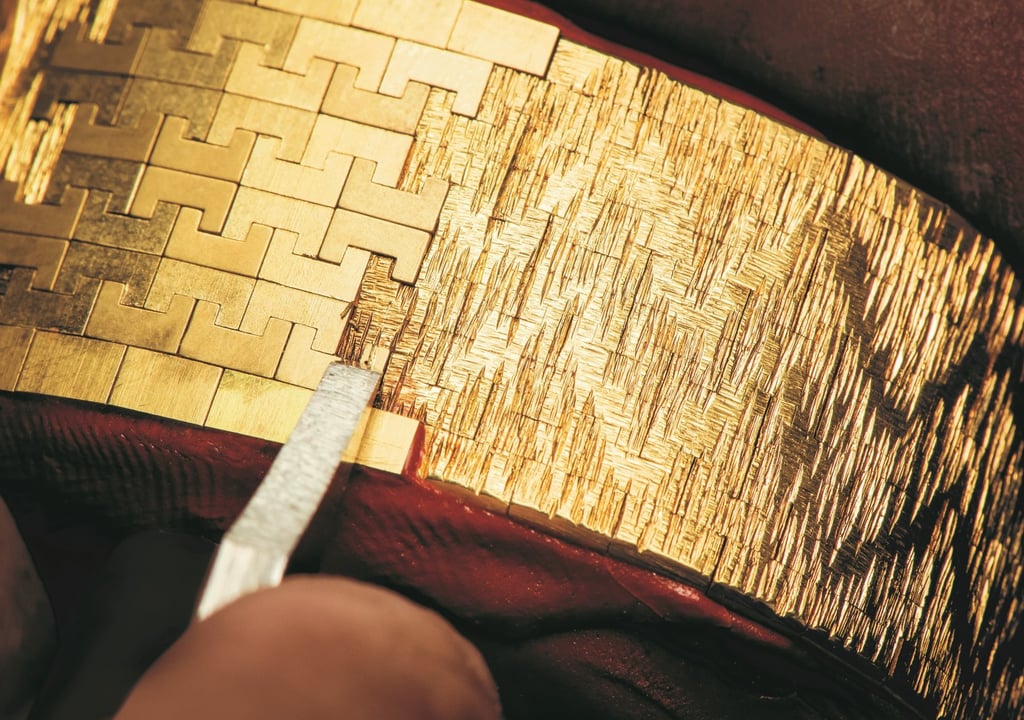
Piaget provides perhaps the clearest example of this resurgence. The maison’s story began in 1874 when founder Georges-Édouard Piaget set up his first workshop in La Côte-aux-Fées, which by the mid-20th century had become known for its use of gold. In 1957, it launched the ultra-thin 9P calibre, a breakthrough piece that gave the company more creative freedom, and that same year it made the bold decision to work only with gold and platinum. By the late 60s, Piaget’s watches were anything but discreet. The 21st Century collection presented in 1969 featured worked gold cuffs, twisted chain sautoirs and textured bracelets that blurred the line between jewellery and timepiece.
Select Voice
Select Speed
1x
AI-generated voice