Choosing a school in Hong Kong: local, DSS, private and international options
From curriculum and language to fees and admissions, understand Hong Kong’s school choices and identify the best fit for your family

For new families and those arriving in Hong Kong for the first time, the school search can feel both exciting and overwhelming. The city offers a wide range of choices in four broad streams: government and aided local schools, Direct Subsidy Scheme schools, private independent schools and a large international sector.
Local schools are the backbone of Hong Kong’s education system. Government and aided schools are publicly funded, generally follow the Hong Kong curriculum and lead to the Hong Kong Diploma of Secondary Education (HKDSE). Many local schools teach largely in Chinese, though some are English-medium schools. They are low cost compared with private and international options and educate most of Hong Kong’s children.
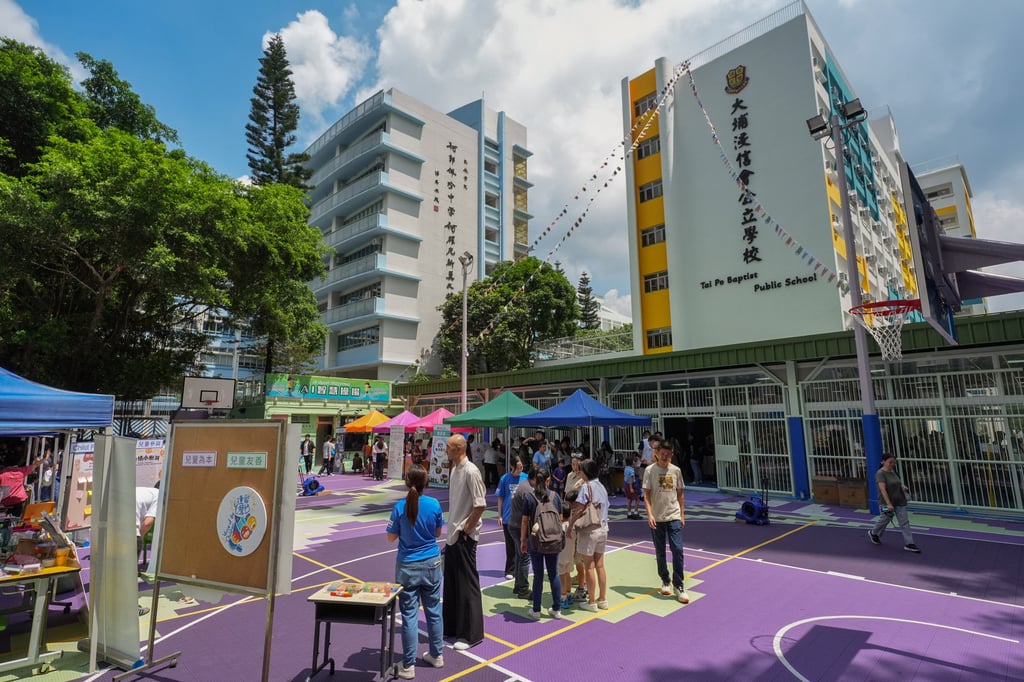
Direct Subsidy Scheme schools (DSS) sit between the public and private sectors. Introduced in 1991 to inject greater variety into the system and enhance parental choice, they receive government subsidies but have more flexibility in curriculum design, resources and admissions. They may charge fees, but are required to offer fee remission and scholarship schemes. In the 2026/27 school year, there are 78 DSS schools, including 57 secondary schools and 21 primary schools, with nine operating as secondary-cum-primary schools.
Private Independent Schools (PRI) also belong to the private school sector and are often considered alongside international schools, offering immersive Chinese-English bilingual curricula. Most offer non-local curricula and are intended to provide more diversity and choice. Unlike international schools, however, they primarily serve local families seeking an alternative to public sector schools and are required to maintain at least 70 per cent of their student population as Hong Kong permanent residents.